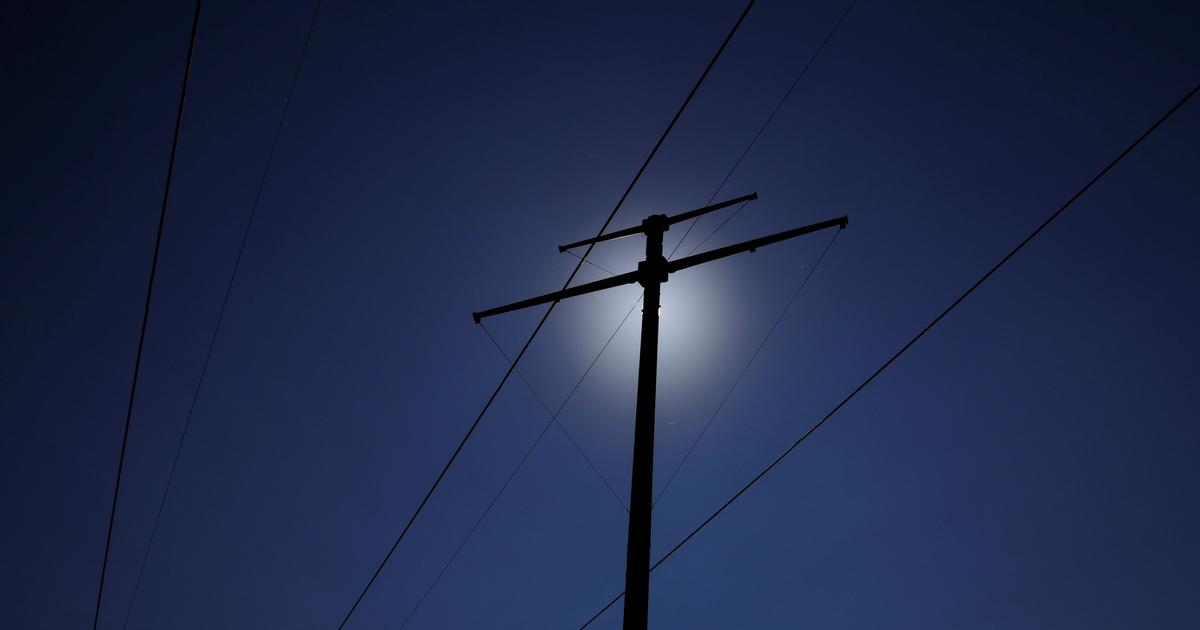
Countries have rapidly expanded wind and solar capacity but neglected transmission infrastructure, creating a bottleneck for power flows and reliability. The UK—described as a cautionary tale—has a large renewables fleet but relies on 1960s-era lines and is racing to remove regulatory hurdles to upgrade transmission; similar aging-grid issues are hampering US rollouts and were blamed for Spain's April blackout, implying substantial transmission investment and regulatory reform will be required and posing near-term operational and investment risks for utilities and renewable developers.
Market structure: Transmission contractors, utility-scale equipment makers and regulated transmission-heavy utilities are the direct beneficiaries because they capture outsized capex and can win long-duration contracts (think Quanta PWR, ABB ABB; utilities AEP, DUK). Merchant renewable developers and pure-play solar assets face higher curtailment risk and discounted offtake economics where lines are constrained, compressing merchant valuations and increasing project delays. Grid constraints shift pricing power toward firms owning right-of-way, engineering capacity and long-term regulated rate bases; expect contractor orderbacklogs to rise 20–40% relative to generation-only peers over 12–24 months.
Risk assessment: Tail risks include political/regulatory reversals (emergency curtailment rules, permit moratoria) and commodity spikes (copper/aluminum +20% raises project costs materially). Immediate noise will dominate (days/weeks) as permits and headlines move stocks; meaningful earnings/capex recognition happens in quarters to years (3–5 year spend cycles). Hidden dependencies: interconnection queue reforms, storage adoption (battery VRE+storage) can blunt transmission demand; supply-chain lead times (transformers, cable) create second-order bottlenecks.
Trade implications: Favor small-to-mid cap contractors and equipment makers with balance-sheet scale and backlog (PWR, ABB) and regulated transmission utilities (AEP, DUK) over merchant renewable ETFs (TAN) and late-stage merchant developers. Copper/aluminum miners (FCX) are a commodity hedge; storage integrators (FLNC) benefit if curtailment drives storage buildouts. Use 6–18 month horizons and trade via concentrated 1–3% position sizing with defined stop-losses.
Contrarian angles: The consensus that "all transmission = winners" underestimates substitution by behind-the-meter storage, dynamic line rating and grid software — which favors software/storage incumbents over raw line-builders long-term. Historical analog: telecom tower vs fiber build cycles where incumbents with scale captured most margin; expect similar winner-take-most outcomes and potential overbuild inefficiencies that create 15–30% dispersion among peers.
AI-powered research, real-time alerts, and portfolio analytics for institutional investors.
Request DemoOverall Sentiment
moderately negative
Sentiment Score
-0.35
