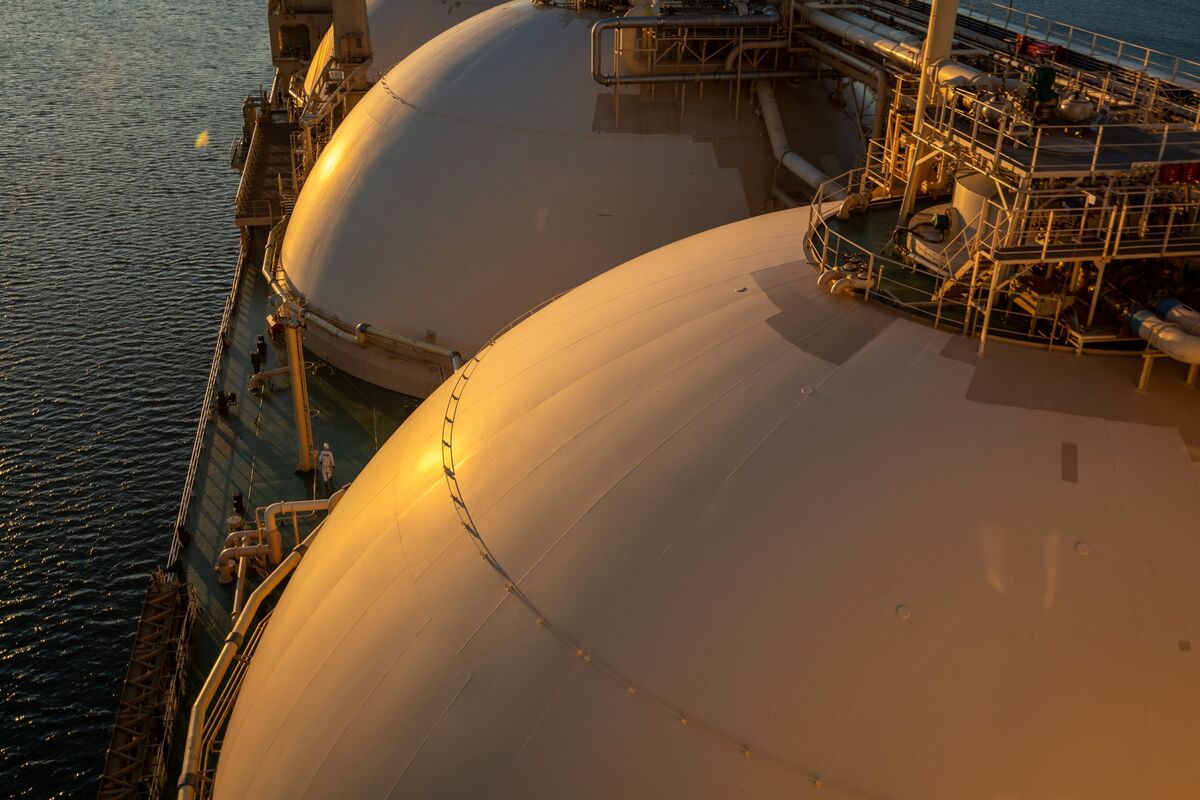
Three liquefied natural gas (LNG) vessels are currently awaiting discharge near Egypt's import terminals, with one having recently docked after an 11-day delay, as a faster-than-expected seasonal demand decline and scheduling issues reduce the country's need for the fuel. This pile-up signals a significant drop in Egyptian LNG demand, potentially impacting regional gas markets and creating logistical bottlenecks for shippers.
A significant logistical bottleneck is developing at Egypt's liquefied natural gas (LNG) import terminals, serving as a real-time indicator of a sharp, faster-than-expected decline in regional demand. Ship-tracking data reveals three LNG vessels are currently anchored offshore, with one tanker, the Gaslog Gladstone, having already waited 11 days before being able to dock. This pile-up, with two additional vessels approaching, points directly to a near-term supply glut in a key North African market. The situation suggests that prior demand forecasts for the seasonal transition were overly optimistic, creating both scheduling challenges for terminal operators and a tangible risk of downward pressure on regional LNG spot prices as unplaced cargoes may need to be rerouted or discounted. The strongly negative sentiment signal (-0.75) underscores the severity of this demand destruction, which has immediate implications for vessel charterers absorbing demurrage costs and for commodity traders pricing gas into the region.
AI-powered research, real-time alerts, and portfolio analytics for institutional investors.
Request DemoOverall Sentiment
strongly negative
Sentiment Score
-0.75
