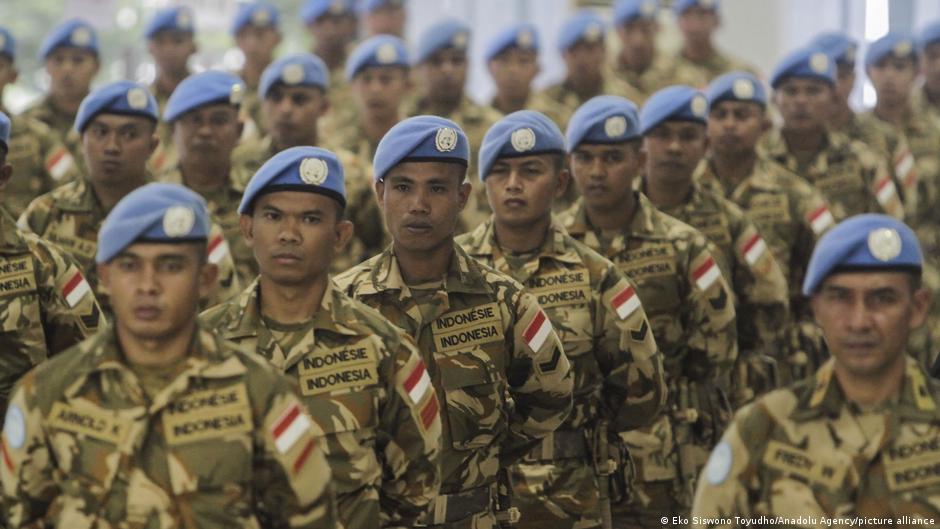
Nearly one-fifth of global crude and gas transits the Strait of Hormuz; WTI rose to $106.40 (+3.4% intraday) and US retail gasoline hit $4.00/gal, reflecting material upward pressure on energy prices. Indonesia has called for an urgent UN Security Council meeting after three Indonesian UN peacekeepers were killed in southern Lebanon; a fully loaded Kuwaiti tanker was struck off Dubai (24 crew safe) and Israel reported four soldiers killed in Lebanon. Elevated regional hostilities and attacks on shipping create sustained geopolitical risk, likely keeping energy prices elevated and prompting risk-off positioning across markets.
The economic wedge of a semi-permanent Strait of Hormuz disruption is not just higher crude prices but a persistent premium embedded in freight, insurance and inventory carrying costs that compounds over months. Expect 10-20% longer voyage times on key crude and product flows (Cape detours, transshipment chokepoints) which mechanically raises freight-per-barrel and narrows arbitrage windows that refiners and traders use to reallocate supply; that will sustain contango/backwardation volatility for at least 3–6 months.
Insurance and reputational risk are creating supply-side sclerosis: shipowners will demand higher war-risk premia and cargo owners will favor longer but 'safer' routes and suppliers closer to end markets, accelerating nearshoring/stockpiling decisions that benefit regional storage and port throughput (Singapore/Klang) while shaving throughput from Suez- and Red Sea-connected hubs. This raises capex optionality in midstream (tankers, storage) and defense over the 6–18 month window while compressing margins for asset-light logistics players.
Political math is the wild card: a tacit acceptance of a closed Strait by major powers (de-risking direct confrontation) would entrench elevated price/freight premia for quarters, whereas a rapid diplomatic corridor or focused military operation to reopen the waterway would snap spreads back inside weeks. Near-term market knee-jerks are less informative than positioning metrics — time-charter rates, war-risk insurance premiums, and transshipment queue lengths — which will be the leading indicators to trade around over the next 30–90 days.
AI-powered research, real-time alerts, and portfolio analytics for institutional investors.
Overall Sentiment
strongly negative
Sentiment Score
-0.60
