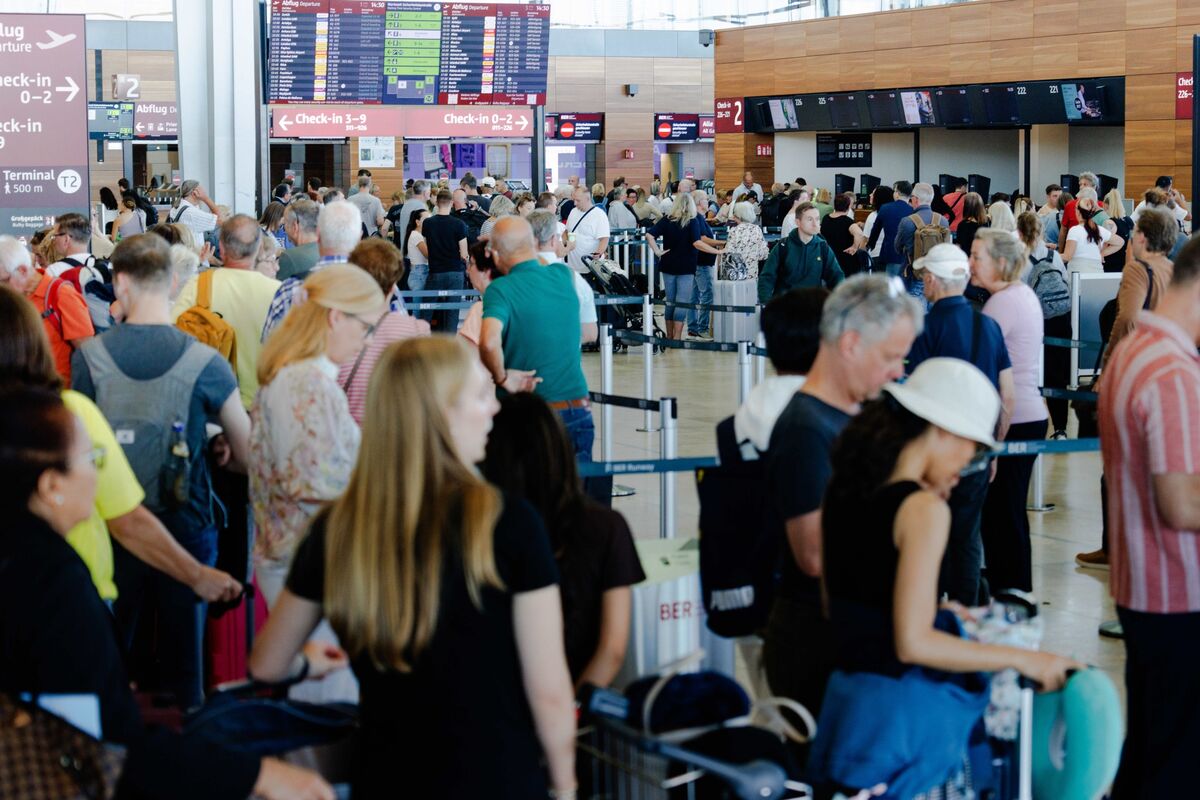
A cyberattack on Collins Aerospace's critical MUSE software, which underpins airline check-in, boarding, and baggage systems globally, led to widespread air travel delays across Europe through Sunday. The incident, which began late Friday, forced airports in Berlin, London, and Brussels to manually process passengers, significantly disrupting operations and highlighting vulnerabilities in essential aviation infrastructure.
A significant operational disruption has impacted the European aviation sector following a cyberattack on Collins Aerospace's MUSE software. The incident, which began late Friday, disabled critical passenger processing systems including check-in, boarding, and baggage handling, forcing a reliance on inefficient manual processes at major hubs like Berlin, London, and Brussels. This event highlights a critical single-point-of-failure vulnerability within the global aviation infrastructure, where essential operations are dependent on a single third-party software platform. The resulting_prolonged delays through the weekend underscore the materialization of cybersecurity threats into tangible operational and, potentially, financial risks for the transportation industry, a sentiment reflected in the strongly negative score of -0.65.
AI-powered research, real-time alerts, and portfolio analytics for institutional investors.
Request DemoOverall Sentiment
strongly negative
Sentiment Score
-0.65
