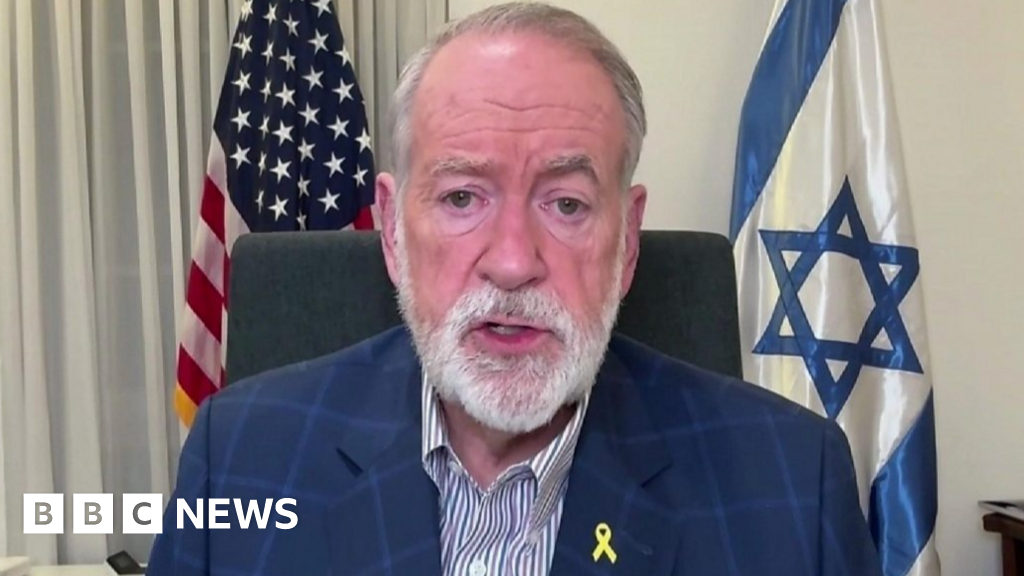
Several Western nations, including the UK, France, and Canada, are signaling intent to recognize a Palestinian state, with the UK citing September as a potential timeline contingent on an Israeli ceasefire and progress toward a two-state solution. This diplomatic push, which would mark the first time G7 members recognize Palestine, faces strong opposition from the US Ambassador to Israel, who calls it "disastrous," and the Israeli government, which views it as rewarding Hamas and lacking a viable peace partner.
A significant diplomatic shift is emerging among Western powers, with several G7 members including the UK, France, and Canada indicating a potential move to formally recognize a Palestinian state. The UK has provided a specific timeline, citing September as a target contingent on Israel's agreement to a ceasefire and a revival of the two-state solution framework. This potential policy change is notable as it would mark the first time G7 states have taken this step, aligning them with the 147 UN members who already recognize Palestine. However, this initiative faces considerable opposition, creating a clear geopolitical fault line. The US Ambassador to Israel has described the plan as "disastrous," signaling a potential divergence from key allies, while the Israeli government has categorically rejected it, viewing the recognition as a "reward for Hamas's monstrous terrorism" and stating there is no viable Palestinian partner for peace. The situation encapsulates a growing international pressure on Israel that is simultaneously met with firm resistance from both Israel and its primary ally, the United States, introducing a new layer of uncertainty into regional stability.
AI-powered research, real-time alerts, and portfolio analytics for institutional investors.
Request DemoOverall Sentiment
neutral
Sentiment Score
0.00
