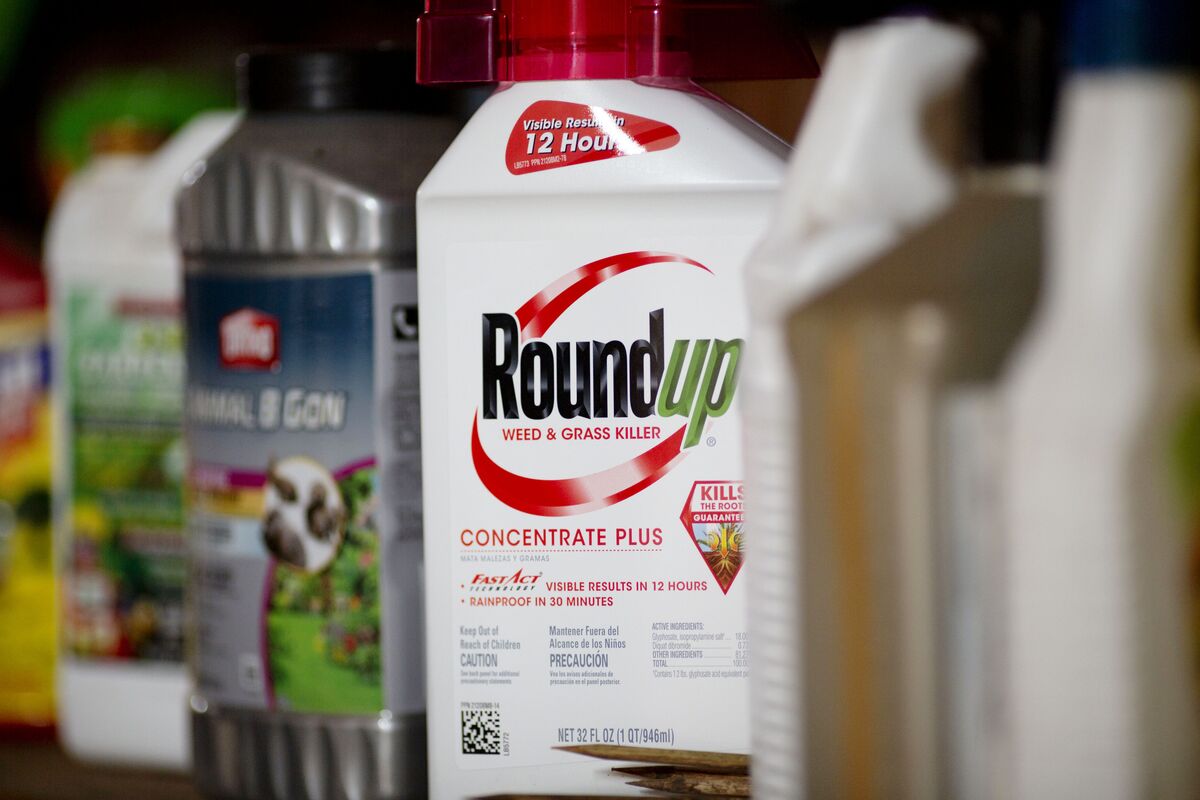
The US Supreme Court has sought the government's view on Bayer AG's appeal to halt thousands of Roundup cancer lawsuits, specifically challenging a $1.25 million verdict. Bayer argues that state-level failure-to-warn claims are preempted by federal law, a stance that, if upheld by the Court, could significantly mitigate the company's substantial litigation exposure and establish a critical precedent for product liability claims.
The U.S. Supreme Court's decision to seek the government's view on Bayer AG's Roundup appeal is a significant positive development for the company, introducing a potential pathway to mitigate substantial litigation risk. This procedural step indicates the Court's interest in Bayer's core argument: that federal law preempts state-level failure-to-warn claims, which form the basis of thousands of lawsuits. While the appeal directly addresses a single $1.25 million verdict, a favorable Supreme Court ruling would establish a powerful precedent, potentially invalidating a large portion of the outstanding cancer-related claims against the company. The market's mildly positive sentiment reflects this potential upside, though the outcome is far from certain. The key variable is whether the Court ultimately agrees to hear the case, a decision that could fundamentally alter Bayer's long-term liability profile and financial outlook.
AI-powered research, real-time alerts, and portfolio analytics for institutional investors.
Request DemoOverall Sentiment
mildly positive
Sentiment Score
0.30
