
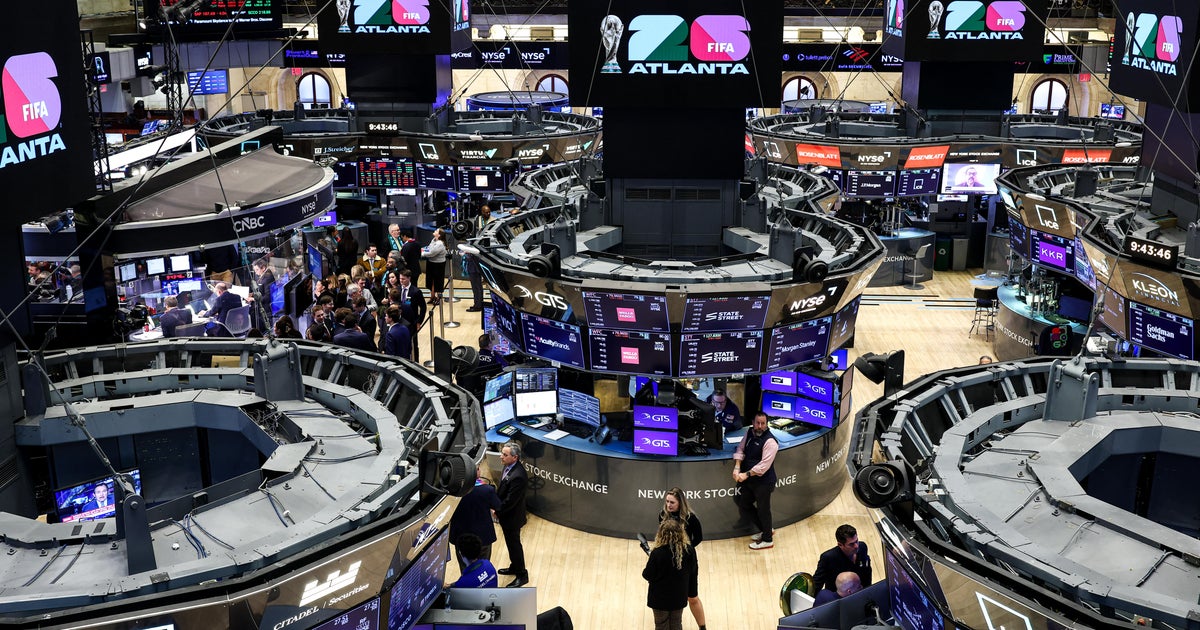
U.S. equity markets opened sharply lower as fears of a widening conflict with Iran rattled investors: the Dow plunged about 1,110 points (-2.2%) while the S&P 500 and Nasdaq each fell roughly 1.9%, with the S&P hitting a fresh 2026 low. Concerns over disruptions to oil flows through the Strait of Hormuz — which handles roughly 20% of global oil — sent Brent up $4.72 (6.2%) to $80.83 and U.S. crude up $6.22 (8.8%) to $77.45 a barrel, amplifying a risk-off move that is driving market volatility and positioning changes.
Market structure is bifurcating: energy producers (XOM, CVX), oil service names (SLB), defense contractors (LMT, RTX) and hard-assets (GLD) are immediate beneficiaries as Brent jumped ~6% to $80.8 and WTI to $77.5; losers are airlines (AAL, DAL), shippers and EM importers facing higher fuel and insurance costs. The 20% of seaborne oil through the Strait of Hormuz magnifies pricing power for exporters and short-term spare-capacity constraints, tightening the supply/demand balance and raising realized volatility across commodities and equity markets.
Tail risks include a closure of Hormuz or strikes on infrastructure that could push Brent >$120 (low-prob, high-impact) and trigger stagflation; cyber-attacks on shipping or cascading sanctions are plausible second-order shocks. Time horizons split: immediate (days) = liquidity and volatility spike; short-term (weeks/months) = earnings and margin pressure for energy consumers; long-term (quarters/years) = capex reallocation in oil and defense if higher-for-longer prices persist. Key hidden dependencies: insurance/re-routing costs, EM USD debt servicing, and Fed reaction to commodity-driven CPI surprises.
Trade implications: favor tactical long energy/defense and long gold while hedging equity beta. Use relative-value: long XOM/CVX vs short AAL/DAL to capture spread if Brent stays >$85 for 3 trading days. Options: deploy 1–3 month call spreads on majors (XOM 3M 5–10% OTM call spread) and buy VIX 30–60 day call spreads or small VXX positions as tail hedges; trim positions if Brent reverts below $75 for 10 days.
Consensus is likely over-reacting on duration risk in equities; historical parallels (1990 Gulf War, 2011 Libya) show initial spikes then mean reversion over 3–6 months as supply routes reroute and SPR releases moderate prices. The market may underprice US shale responsiveness and OPEC diplomatic responses; size positions modestly (1–3% each) and set clear price triggers to avoid being caught by rapid de-escalation or policy intervention.
AI-powered research, real-time alerts, and portfolio analytics for institutional investors.
Request TrialOverall Sentiment
strongly negative
Sentiment Score
-0.70
Ticker Sentiment
