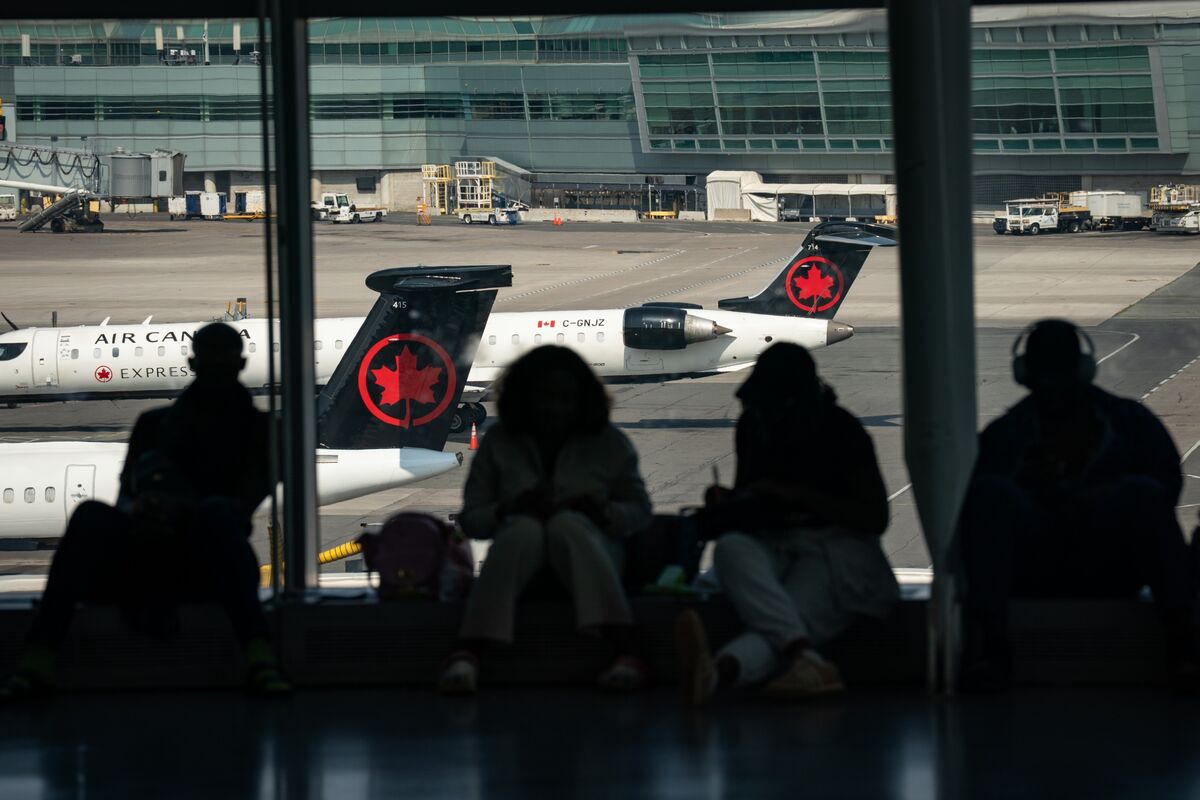
Air Canada's more than 10,000 flight attendants overwhelmingly rejected the company's latest contract offer, with 99.1% voting against the tentative agreement. This decisive rejection prolongs a significant labor dispute that previously led to a three-day strike in August, causing over 2,000 flight cancellations, and signals continued operational uncertainty and potential for further disruptions for the airline.
Air Canada faces a significant escalation in its labor dispute, as a tentative contract offer has been overwhelmingly rejected by 99.1% of its more than 10,000 flight attendants. This decisive vote invalidates a previous agreement that had ended a three-day strike in August, a disruption which resulted in the cancellation of over 2,000 flights. The failure to secure union member approval signals a deep chasm between labor and management, reintroducing substantial operational uncertainty and the high probability of further industrial action. The per-ticker sentiment score of -0.9 for Air Canada underscores the severe negative perception of this development, pointing to material risks for near-term revenue, operational stability, and brand reputation.
AI-powered research, real-time alerts, and portfolio analytics for institutional investors.
Request DemoOverall Sentiment
strongly negative
Sentiment Score
-0.75
Ticker Sentiment
