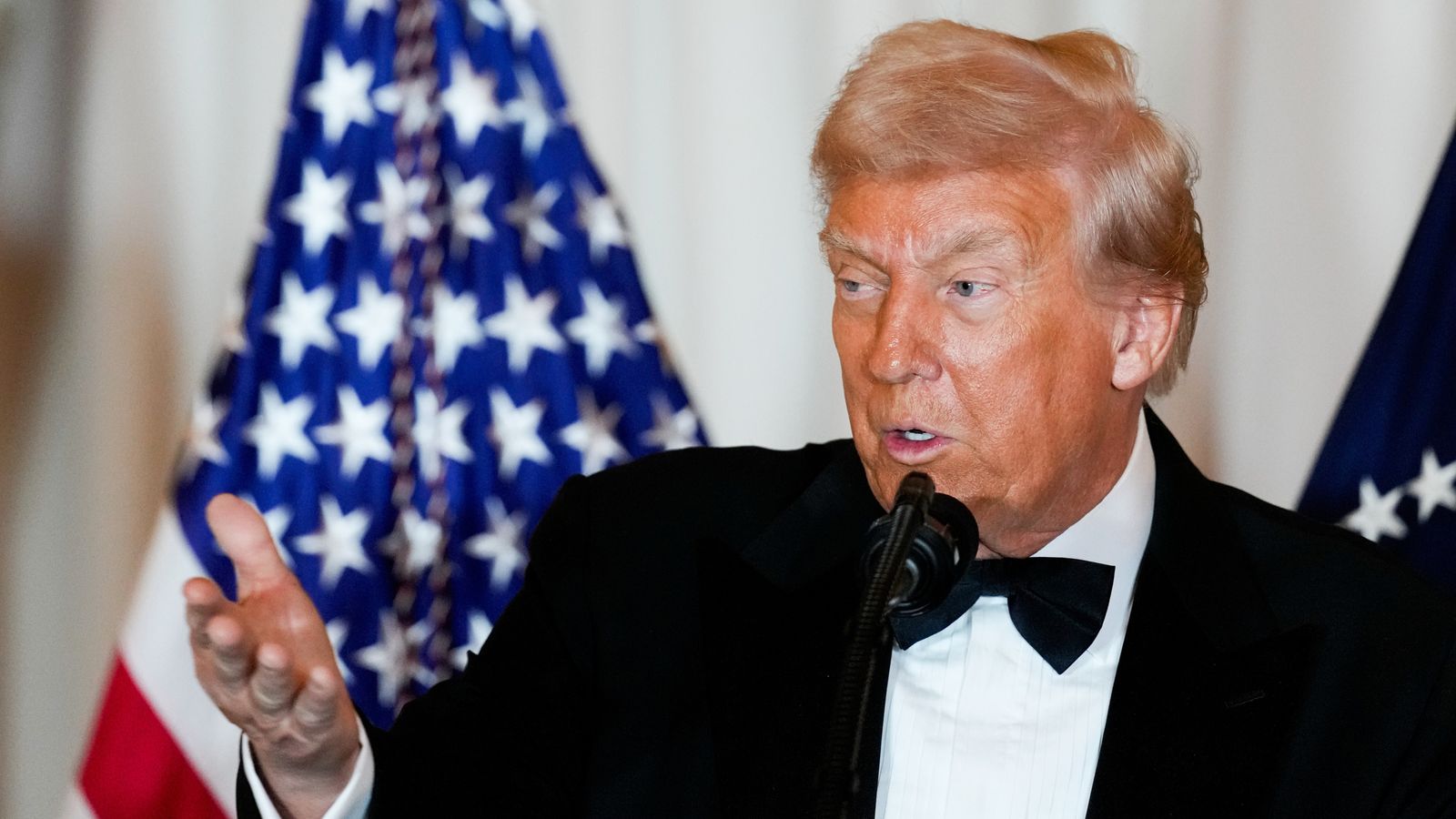
Netflix has agreed to buy Warner Bros Discovery’s TV and film studios and the HBO Max streaming division in a $72bn deal that is expected to close late next year after Discovery’s legacy channels are spun off. The transaction faces sharp cross‑party and industry opposition on antitrust grounds — the Writers Guild and Republican lawmakers warned it would concentrate market share, harm workers and consumers — and President Trump said he will be “involved” in the regulatory decision, acknowledging the deal “could be a problem.” The comments underscore heightened regulatory risk that could delay, condition or block the takeover, with material implications for Netflix, potential rivals (Paramount, Comcast) and broader media sector valuations.
Market structure: An approved deal gives Netflix (NFLX) a material content and distribution wedge — expect incremental U.S. household share gains of 3–7 percentage points and 5–10% higher negotiating leverage with advertisers/licensors within 12–24 months, pressuring smaller streamers and theatrical window economics. Losers in that scenario: regional broadcasters, independent streamers and movie theaters (box office headwinds), while incumbents with deep distribution (CMCSA) gain strategic optionality as buyers/partners or regulatory footholds.
Risk assessment: The largest tail risks are regulatory blockage or mandated divestitures initiated by DOJ/FTC or by political intervention (Trump’s stated involvement increases political risk), with a >30% chance of protracted review that could last 9–15 months; a blocked deal could knock 20–35% off NFLX equity in a fast, volatility-driven repricing. Hidden dependencies: WBD’s remaining Discovery legacy assets and debt covenants could amplify equity downside if the transaction drags on; activist/third-party bidders (Comcast/Paramount) could re-enter if the process reopens.
Trade implications: Near-term (days–weeks) favor volatility protection on NFLX: buy 3–9 month puts or put spreads sized 2–3% of portfolio; medium-term (3–12 months) run pair trades: long CMCSA (2–4%) vs short NFLX (1–2%) to express regulatory-favored incumbent vs consolidation risk. Event-driven credit idea: accumulate WBD bonds if spreads widen >200bps from current levels (target yield pick-up >250bps) with 6–18 month hold.
Contrarian angles: The market may overprice a permanent block — historical precedent (AT&T/Time Warner) shows litigation can be overcome with remedies; if a sell-off on headlines pushes NFLX <15% from current price, that’s a tactical buy-the-dip candidate (12–24 month horizon) because combined asset cash flows justify higher long-term value. Conversely, approval would leave few cheap defensive assets; monitor FTC filings and House/Senate signals 30–90 days as primary catalysts.
AI-powered research, real-time alerts, and portfolio analytics for institutional investors.
Request DemoOverall Sentiment
moderately negative
Sentiment Score
-0.45
Ticker Sentiment
