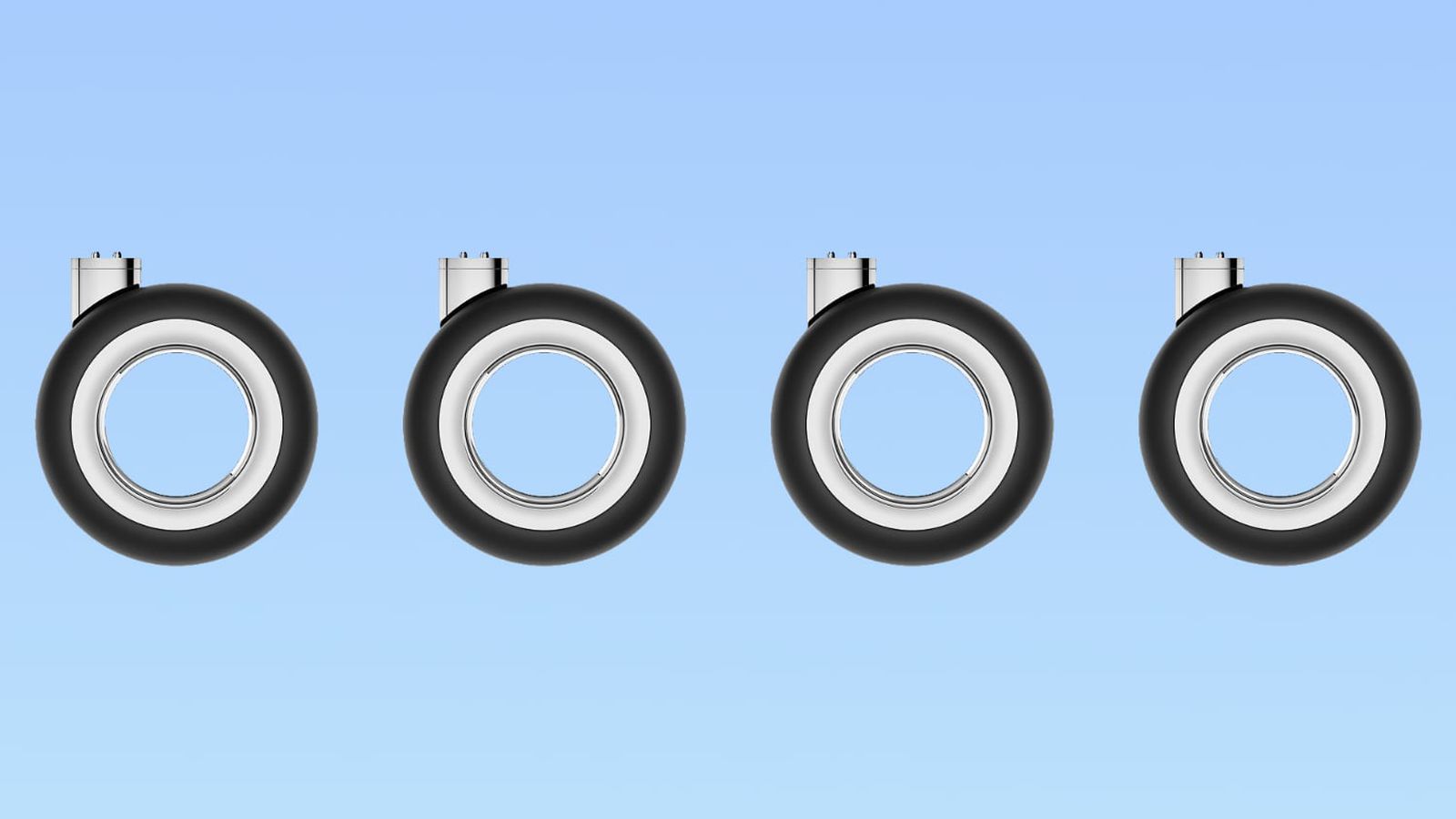
Apple discontinued the Mac Pro and its $700 Mac Pro Wheels Kit, as well as the $300 Mac Pro Feet Kit; the Mac Pro could previously be ordered with wheels for an incremental $400 (which removed $300 feet). Apple has removed the Mac Pro and accessories from its website and redirects old links to the online store. For affected owners seeking wheels, third-party vendor OWC offers a Rover Pro kit for $200 as a lower-cost alternative. Additional brief Apple updates in the article note iOS 26.4, a new Apple Business platform, and AirPods firmware updates.
This is a micro-signal with outsized signaling value: Apple is tightening focus away from low-volume, high-service hardware permutations toward a more consolidated product and services footprint. The immediate P&L hit to hardware revenue is immaterial, but the strategic implication — fewer bespoke enterprise-grade desktops — accelerates a multi-year shift of professional compute demand toward cloud GPU providers and standardized Windows workstations. Expect an incremental reallocation of pro workflows (render farms, VFX, scientific compute) into datacenter/GPU clusters where scale economics and software ecosystems are deeper.
Second-order supply-chain effects will be concentrated in accessory and niche OEM segments, not large OEM suppliers: specialist integrators and premium accessory vendors pick up share as Apple abandons the direct channel, while component vendors tied to bespoke desktop builds see order smoothing and potential margin compression. This creates a small, persistent revenue tail for aftermarket suppliers but reduces Apple’s exposure to low-velocity SKUs that complicate inventory and support.
Timing matters: in days this is noise; over 3–12 months expect aftermarket vendors to report modest volume upticks and workstation OEMs to see inbound inquiries from displaced pro buyers. Over 12–36 months the larger structural read-through is a modest positive for hyperscale GPU vendors and a defensive read for Apple — fewer niche hardware commitments lower capital intensity and support costs, which marginally supports services margin expansion. The main reversal risk is an Apple decision to re-enter the high-end desktop market with a new scalable Apple Silicon tower within 12–24 months, which would reabsorb pros and reverse aftermarket gains.
AI-powered research, real-time alerts, and portfolio analytics for institutional investors.
Request DemoOverall Sentiment
neutral
Sentiment Score
0.00
Ticker Sentiment
