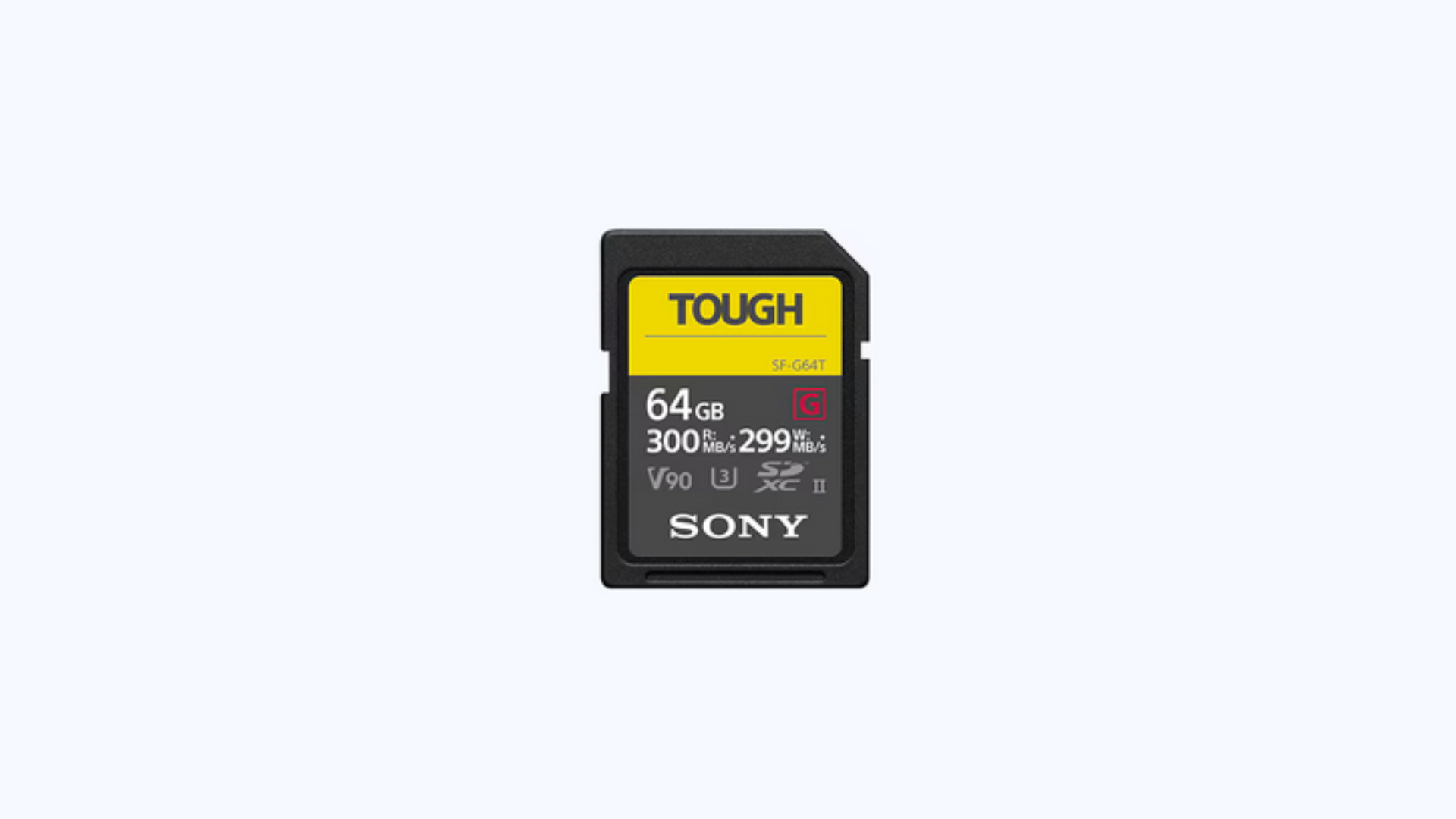
Sony Japan suspended new orders for nearly its entire CFexpress and SD memory card lineup effective March 27, covering multiple capacities (CFexpress Type A: 240/480/960/1,920GB; CFexpress Type B: 240/480GB; SD TOUGH/SF-M/SF-E: 64–512GB). The company cited a "global shortage of semiconductors (memory)" with no resumption timeline; industry data shows DRAM contract prices forecasted to rise ~90–95% QoQ and NAND ~55–60% in Q1 2026, indicating acute NAND tightness. The freeze is currently limited to Japan and existing retail stock may sell through; Sony also announced a $100 PS5 price increase to $649.99 effective April 2.
The memory market is behaving like a two-tier scarcity shock: upstream capacity is largely out of the market for the next several quarters while demand is being reweighted toward higher-margin, lower-latency applications. That creates a durable pricing tailwind for integrated memory suppliers and their capital-equipment vendors, but it also forces downstream OEMs and channel partners into allocation, SKU rationalization, and price-pass decisions that will show up unevenly across geographies and product segments.
Second-order winners are players that can flex into scarce supply (captive fabs, equipment vendors, and distributors with deep inventory) and niche aftermarket/resale channels that arbitrage end-customer urgency; losers are consumer-facing brands with limited negotiating leverage on wafer allocations and thin margins on commodity SKUs. Contract manufacturers that serve both enterprise and consumer customers will be a fulcrum — whoever secures wafer/assembly priority will re-benchmark margins for their OEM partners.
Time horizon: expect visible margin moves within 1-3 quarters, with structural relief only after meaningful fab/bit-capacity additions come online (9-24 months). Catalysts that would reverse the current dynamic include an abrupt slowdown in AI capex, a large and fast-capex push by a hyperscaler, or an unexpected supply-side reboot (capacity restart or accelerated node migration). Monitor lead-time data, spot NAND pricing, and capex guidance from major memory suppliers as the highest-confidence indicators.
AI-powered research, real-time alerts, and portfolio analytics for institutional investors.
Overall Sentiment
mildly negative
Sentiment Score
-0.30
Ticker Sentiment
