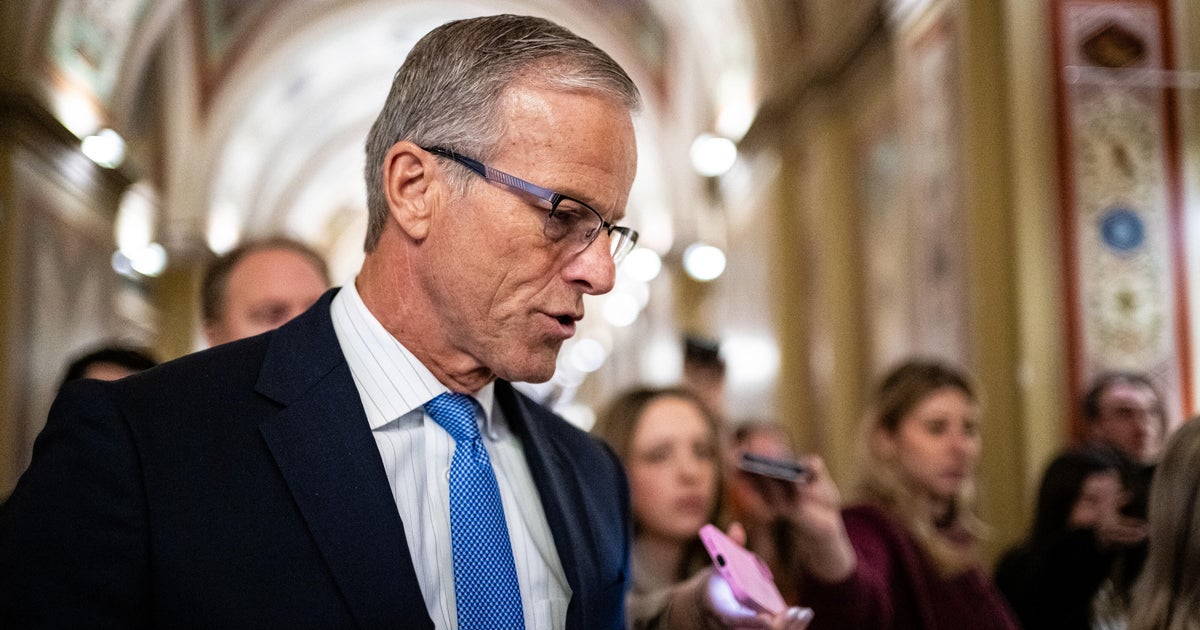
Senate Republicans said they are far from agreement with Democrats after Democrats linked a short-term Department of Homeland Security funding extension to a slate of ICE reforms — including required ID display and body cameras for agents, bans on entering private property without judicial warrants, verification of citizenship before detention, and demands to remove DHS Secretary Kristi Noem and scale back Minneapolis operations. With DHS, FEMA, Secret Service and the Coast Guard due to run out of funds in about nine days and a temporary extension only through Feb. 13, GOP leaders called the demands unrealistic and warned talks must advance quickly to avoid a lapse in critical homeland security funding.
Market structure: The immediate winners from continued political friction are safe-haven assets and defensive sectors—short-term Treasury demand and utilities (XLU) should bid if the Feb deadline (≈9 days) approaches without compromise. Direct losers are private detention operators (GEO, CXW) and niche DHS services contractors that rely on detention/enforcement volumes; reforms that limit arrests/detention would compress revenues by an identifiable mid-single-digit to double-digit percent over 6–18 months depending on passage.
Risk assessment: Tail risks include a short DHS lapse or substantive ICE reform passage that removes a material portion of private-prison EBITDA (low-prob/high-impact) and operational disruption to Coast Guard/FEMA causing localized logistics stress. Time horizons: immediate (days) — funding cliff volatility; short-term (weeks–months) — legislative horse-trading and executive orders; long-term (quarters–years) — structural demand decline for detention services if laws/regulations change. Hidden dependencies: White House personnel moves, DOJ litigation, and state sanctuary policies which can amplify or mute effects.
Trade implications: Favor tactical safe-haven and defensive exposure (2–3% portfolio to 7–10yr Treasuries via IEF within 5 trading days) and short selective names with direct ICE/detention exposure (1–2% shorts in GEO and CXW; prefer 3-month ATM put spreads to cap risk). Implement a relative-value pair: long 1% LMT (defense prime) vs short 1% LDOS (services/DHS exposure) for 3–6 months. Use options to size asymmetry: buy 3-month GEO/CXW put spreads (sell 10–20% lower strike) sized to 0.5–1% max loss each.
Contrarian angles: The market may overstate system-wide contagion; large defense primes (LMT, RTX) are insulated by DoD revenue — a buying opportunity if headline-driven pullbacks >5%. Conversely, consensus may underprice regulatory risk to private prisons; a 10–20% re-rating is plausible if Democrats force statutory curbs. Watch procedural votes and White House actions 72–96 hours before deadline as trade triggers.
AI-powered research, real-time alerts, and portfolio analytics for institutional investors.
Request DemoOverall Sentiment
moderately negative
Sentiment Score
-0.35
