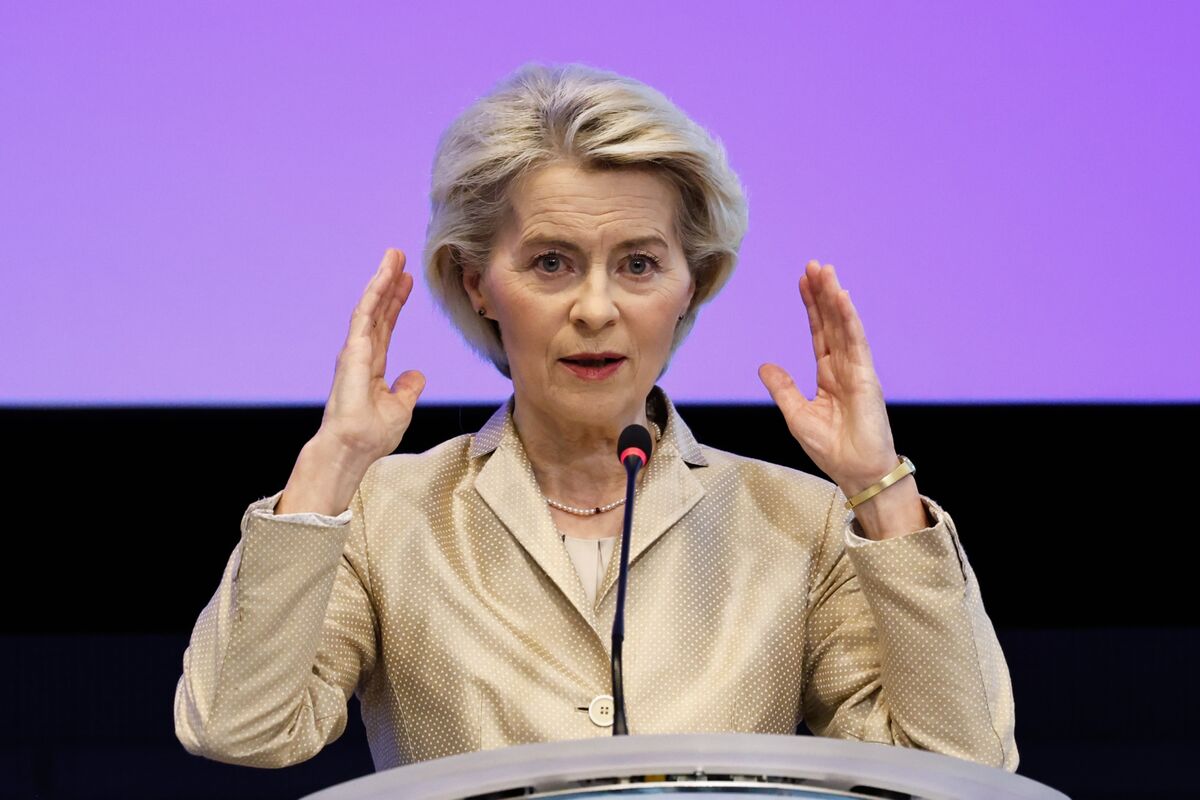
The European Union has proposed a ban on Russian Liquefied Natural Gas (LNG) as a key component of its 19th sanctions package, aiming to intensify economic pressure on Russia to end the war in Ukraine. This measure represents a significant escalation in energy sanctions, potentially impacting European energy security and global LNG market dynamics for institutional investors.
The European Union has formally proposed a ban on Russian Liquefied Natural Gas (LNG) as a central component of its 19th sanctions package. This development, following months of internal negotiations, marks a significant potential escalation in the EU's energy-related sanctions aimed at pressuring Russia over its war in Ukraine. While the EU has already curtailed Russian pipeline gas imports, Russian LNG has remained a significant source of supply. The proposed ban, if enacted, would directly disrupt global LNG trade flows, forcing European nations to seek alternative supplies and likely increasing competition for cargoes from producers in the United States and the Middle East. The move reflects a calculated geopolitical risk, trading potential energy price volatility and security concerns for heightened economic pressure on Moscow. The market impact is rated as moderately significant (0.6), indicating that investors anticipate tangible effects on energy prices and supply chains should the proposal be adopted.
AI-powered research, real-time alerts, and portfolio analytics for institutional investors.
Request DemoOverall Sentiment
moderately negative
Sentiment Score
-0.50
