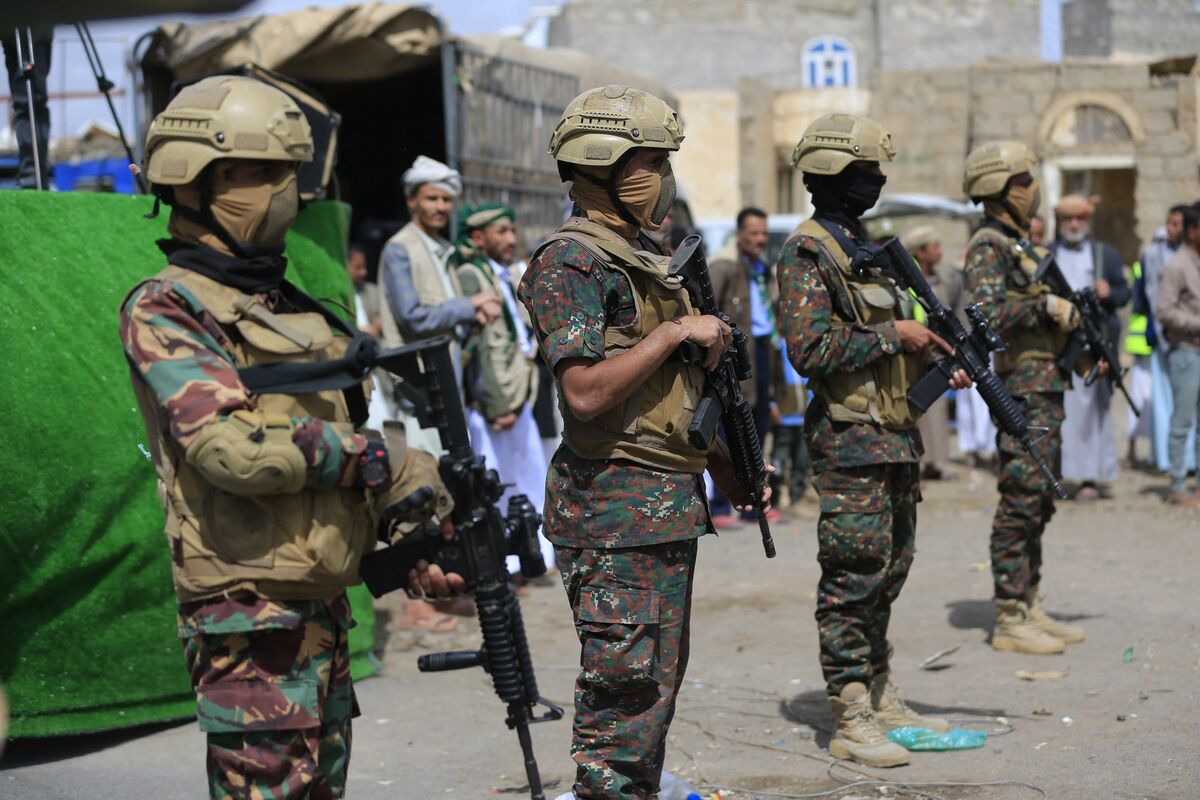
Iran is pushing the Houthi movement to prepare for a renewed campaign against Red Sea shipping if the US escalates, and the Houthis are weighing more aggressive strikes after launching ballistic missiles at Israel. This materially raises risk to Red Sea shipping lanes, likely increasing freight rates, insurance premia and upside pressure on regional oil transport costs and crude prices. Monitor tanker rates, marine insurance terms and regional military activity for near-term sector moves in shipping, energy and insurers.
A sustained elevation in Red Sea risk will reprice route economics, not just headline volumes. Rerouting Asia-Europe flows around the Cape of Good Hope typically adds a week-plus to sailings and materially increases bunker consumption and voyage cost — on a large containership that’s a low-single- to mid-six-figure incremental cost per round trip, which compresses throughput and encourages blank sailings that tighten capacity. That combination typically pushes short-term spot freight indices (SCFI/FBX) higher even as volumes fall, creating idiosyncratic winners among asset-light carriers and tactical losers among asset-heavy shippers and integrated retailers.
Second-order market impacts will propagate to insurance, bunkering/refining margins, and tanker demand. War-risk insurance and kidnap/float premiums rerate quickly, pulling P&L forward for specialty insurers and brokers but adding immediate op-ex to importers; refiners that crack heavy fuel oil (bunker substitutes) or companies with flexible product exports can capture a margin uplift if the surge in fuel demand persists for weeks-to-months. Over a 1–3 month horizon we should see volatility spikes in freight-related equities and higher physical freight charter rates, while a longer (3–12 month) blockade or campaign would materially accelerate onshoring and inventory rebalancing for exposed supply chains.
Catalysts to watch: discrete escalations that close chokepoints (days–weeks), large tanker hijackings or insurance contract resets (days), and diplomatic de-escalation or protected convoy corridors (weeks–months) that would unwind risk premia. Reversal can be quick if a multinational naval coalition secures transit lanes or if major carriers re-optimize transshipment hubs; conversely, durable instability would shift structural volumes and favor longer sea routes and more regional inventory stocking policies over many quarters.
AI-powered research, real-time alerts, and portfolio analytics for institutional investors.
Request DemoOverall Sentiment
strongly negative
Sentiment Score
-0.60
