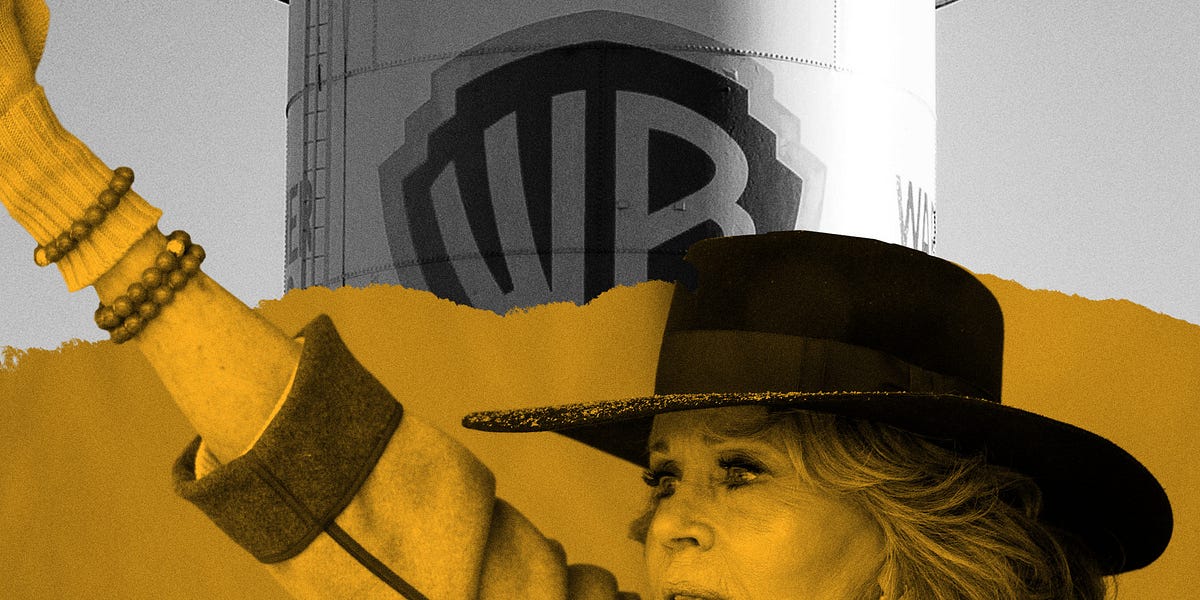
As Warner Bros. Discovery prepares for a potential sale, Jane Fonda argues that large-scale consolidation poses systemic risks to the entertainment sector—reducing jobs, creative opportunities and independent news sources—and could concentrate power to influence editorial independence. She cites recent merger-related political pressure (FCC scrutiny of 60 Minutes, the Skydance-Paramount episode and Nexstar-Tegna actions, including a reported $16 million settlement) as evidence merger reviews are being used as leverage, and urges DOJ and state attorneys general to rigorously enforce antitrust scrutiny of proposed entertainment deals.
Market structure: A WBD sale or break-up concentrates scale into a few global content owners and leaves legacy broadcasters (TGNA, PGRE) exposed to contracting bargaining power with advertisers and guilds. Expect winner-take-most economics for deep-pocketed streamers/buyers (potentially NFLX or sovereign-backed acquirers), leading to 5–15% incremental gross margin expansion for acquirers on content amortization over 12–24 months and 10–25% hit to standalone legacy EBITDA for remaining linear assets.
Risk assessment: Tail risks include aggressive regulatory intervention (DOJ/state AG block or divestiture mandates) or politicized FCC conditioning that delays/derails deals — each could wipe 30–60% of deal premium in weeks. Near-term (days–weeks) volatility will spike on M&A rumors and FCC comments; medium-term (3–12 months) outcomes hinge on filings/hearings; long-term (2+ years) structural consolidation and AI-driven production shifts will compress mid-tier creators’ income and content supply.
Trade implications: Favor short legacy broadcasters and targeted volatility buys on deal uncertainty: short TGNA and PGRE equities, buy WBD downside protection (3–6 month put spreads). Pair trades: long scale-advantaged streamers (NFLX) vs short WBD/PGRE to capture re-rating differential; shift 2–5% portfolio weight from legacy media into tech/streaming and diversified global content names. Time entries ahead of anticipated antitrust filings (30–90 days) and tighten stops on FCC commentary.
Contrarian angles: Consensus fear of permanent monopoly may be overdone — a credible buyer paying a >20–30% premium could unlock asset sales and improve debt coverage, creating a short-window arbitrage. Historical parallels (2000s media consolidation) show regulatory carve-outs often create tradable spin-offs that outperform; prepare event-driven long in spun assets if deal terms disclose divestiture options.
AI-powered research, real-time alerts, and portfolio analytics for institutional investors.
Request DemoOverall Sentiment
strongly negative
Sentiment Score
-0.70
Ticker Sentiment
