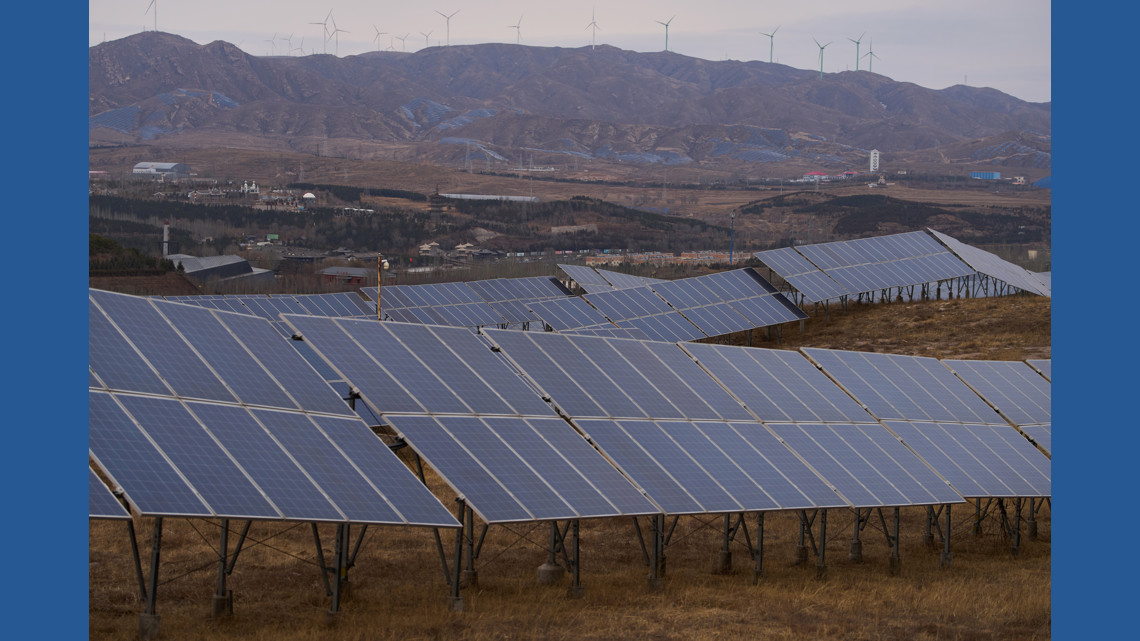
Clean power generation rose 887 TWh in 2025, outpacing global electricity demand growth of 849 TWh, while renewables surpassed one-third of the world’s electricity mix for the first time at 10,730 TWh. Solar grew 30% and, with wind, met 99% of net new demand; fossil generation fell 0.2% and coal’s share dropped below one-third. China and India both saw declines in fossil fuel generation for the first time this century, reinforcing the structural shift toward renewables despite geopolitical and policy headwinds.
The market implication is not just “more renewables,” but a regime shift in marginal power pricing. Once clean generation consistently covers incremental load, the scarcity premium migrates from electrons to flexibility: grid software, transmission, interconnection, and storage become the bottlenecks, while thermal generators lose their role as the default swing supplier. That tends to compress merchant power upside in regions with high solar penetration, but it also creates a renewed cycle for batteries and grid equipment because every additional unit of intermittent capacity raises the value of dispatchability. China and India matter more than Europe or the U.S. for the second-order readthrough because they are the largest incremental demand centers and the biggest marginal coal-demand setters. A sustained fossil-demand plateau in those markets is bearish for seaborne coal, LNG optionality, and high-cost thermal exporters; it also raises the probability that OEMs and financiers re-rate the supply chain toward domestic solar, inverters, BESS, and HVDC. The underappreciated dynamic is that this can be deflationary for power-intensive manufacturing over 12-24 months, supporting AI/data-center and electrification capex even if headline electricity demand keeps rising. The main reversal risk is policy, not technology: permitting friction, trade barriers, curtailment, and grid congestion can slow realized adoption even if module and battery economics stay favorable. But near term, the setup still favors companies that monetize the grid-connection bottleneck rather than pure panel makers, because module pricing is structurally prone to margin pressure when deployment is accelerating globally. Consensus is likely still underpricing how quickly coal’s share can keep eroding once storage additions improve solar’s effective capacity factor. From a trade perspective, this is more tradable as an infrastructure and storage theme than a broad clean-energy beta trade. The clean-energy index space has too much exposure to low-margin manufacturing and policy noise, whereas the grid capex and battery value chain has clearer 12-month earnings leverage. The best expression is probably a pair that shorts exposed thermal fuel supply or coal logistics against long grid modernization and storage beneficiaries, rather than an outright long renewables basket.
AI-powered research, real-time alerts, and portfolio analytics for institutional investors.
Request DemoOverall Sentiment
moderately positive
Sentiment Score
0.65
