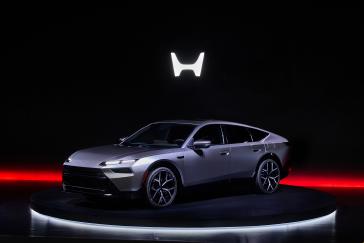
Honda plans 15 new hybrid models globally by 2030, with launches of an all-new hybrid system and next-generation platform starting in 2027 and next-generation ADAS beginning in 2028. The company said the new hybrid models should improve fuel economy by more than 10% while cutting system costs by 30%, and it will expand hybrid production at North American plants. The update signals a stronger hybrid push and incremental support for Honda's product and efficiency outlook.
Honda is signaling a more aggressive hybrid ramp, but the real market implication is that it is choosing to defend share in the most profitable part of the volume curve rather than chase battery-electric economics. That should be read as a margin-protection move for the next 3-5 years: hybrids can absorb lower battery cost pressure, improve fleet compliance, and keep showroom traffic high while EV adoption remains uneven. The likely winner is Honda’s North American manufacturing network, because higher localization lowers tariff/supply-chain risk and increases leverage to any OEM incentive environment tightening in the U.S. Second-order effects matter more than the headline. A 30% system-cost reduction suggests Honda is pushing a component redesign cycle that should pressure tier-1s tied to legacy hybrid architectures, while benefiting suppliers of e-motors, power electronics, thermal management, and AWD control software. If Honda can genuinely compress cost while improving fuel economy, it raises the bar for Toyota, Hyundai, and Nissan to defend hybrid gross margin without sacrificing pricing, which could intensify discounting in mid-size sedans and crossovers. The ADAS timing is the longer-duration catalyst: combining hybrid efficiency with broader driver-assist functionality is a better consumer proposition than standalone EV range for mainstream buyers. But this is also where execution risk is highest—software rollout slip, regulatory scrutiny, or a poor human-machine interface could dilute the brand uplift and delay the mix benefit by 12-24 months. The key contrarian point is that the market may underappreciate how much of Honda’s valuation rerating depends on execution in North America rather than global EV headlines.
AI-powered research, real-time alerts, and portfolio analytics for institutional investors.
Overall Sentiment
mildly positive
Sentiment Score
0.45
Ticker Sentiment
