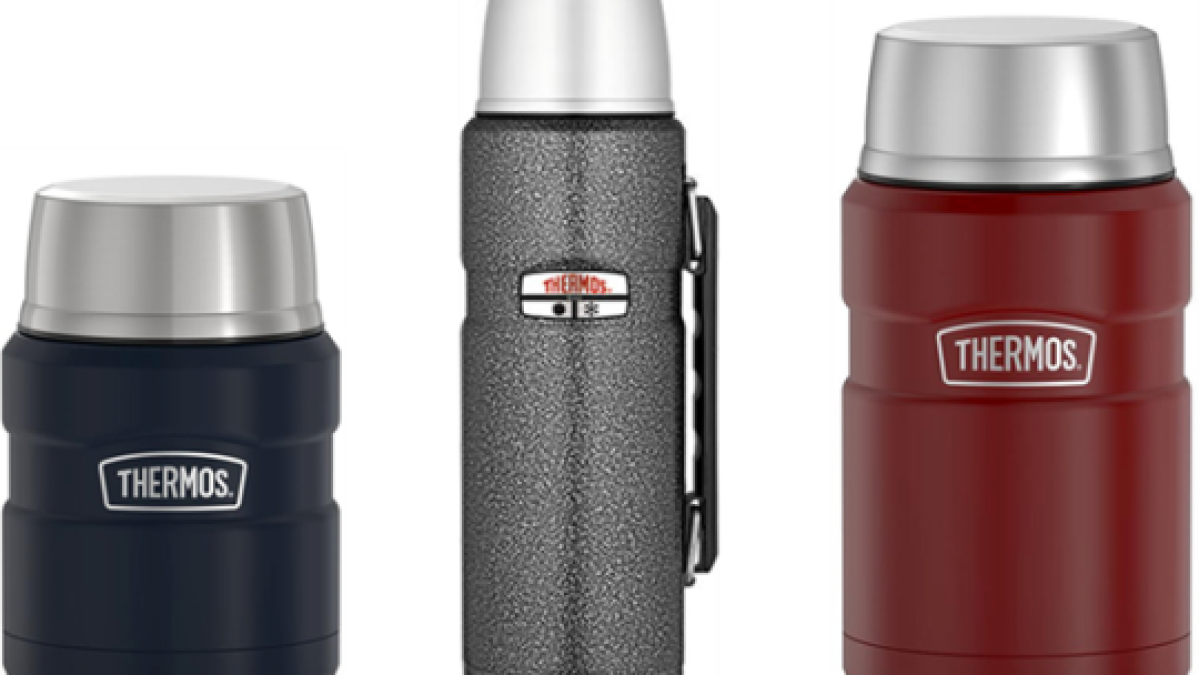
Thermos is recalling more than 8 million food and beverage bottles and jars after at least 27 injury reports, including three cases of permanent vision loss from stoppers ejecting under pressure. The recall covers select Thermos Stainless King and Sportsman models sold nationwide at major retailers and online between roughly March 2008 and July 2024, with replacement stoppers or products being offered. The news is negative for Thermos from a product safety and liability standpoint, though the broader market impact should be limited.
This is less a direct revenue event for the retailers than a latent liability and reputational clean-up cost. The immediate financial hit to TGT, WMT, and AMZN should be immaterial, but the second-order risk is that large-scale consumer-product recalls amplify scrutiny of marketplace governance, especially for products sold through third-party channels where the retailer is not the manufacturer but still absorbs customer-service friction. The incident also reinforces a recurring pattern: high-velocity household goods with low unit prices can generate outsized downside when defects create bodily injury claims, because the legal tail is disconnected from the ticket size. The key catalyst window is the next 1-3 months, when recall search traffic, customer-service contacts, and legal filings cluster. For retailers, the market usually overestimates first-order sales leakage and underestimates the long-tail friction in trust metrics, particularly for Amazon’s marketplace model where brand control is weaker and product-safety headlines can pressure consumer confidence in non-essential household categories. If similar incidents appear in other beverage or container SKUs, this could widen into a broader “product assurance” discount across private-label and marketplace-heavy assortments. The contrarian view is that the selloff risk may be capped because investors increasingly treat recalls as operating noise unless there is evidence of systemic sourcing failure or regulatory escalation. The more important variable is whether the incident becomes a template for plaintiffs to argue inadequate safety testing or warning labels, which would shift this from a one-off recall to a litigation overhang. That said, absent spread to other categories, the information content is mostly about process risk rather than earnings risk.
AI-powered research, real-time alerts, and portfolio analytics for institutional investors.
Overall Sentiment
moderately negative
Sentiment Score
-0.45
Ticker Sentiment
