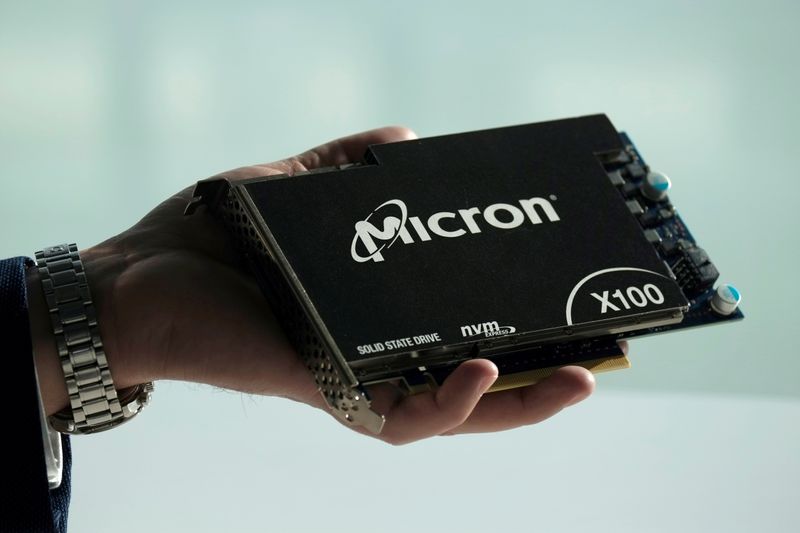
Oil topped $115 as renewed threats against Iran's energy infrastructure drove a risk-off tone; energy-led geopolitical risk pushed broad weakness across mega- and large-caps. Key movers: Micron -8.07%, Lam Research -5.0%, Intel -4.1%, while United Therapeutics jumped +12.91% after Tyvaso met its primary endpoint. Sysco plunged -14.73% on WSJ reporting it’s nearing a ~$29B (including debt) Restaurant Depot deal; several mid- and small-caps posted double-digit declines (e.g., Fundrise Innovation Fund -40.01%, Roma Green Finance -31.74%) even as Roma authorized a $100M buyback.
A simultaneous energy-price shock and risk-off in semiconductors amplifies a classic inventory-capex feedback loop: OEMs and cloud customers push capex torsionally lower within 1-3 quarters, which transmits to equipment vendors with a 6–9 month lag. That lag creates a window where equipment orders fall faster than backlog reductions, pressuring names with high operating leverage and fixed manufacturing costs and creating dispersion within the sector beyond headline losers.
Beyond the obvious memory vendors, the non-linear winner is imagery/ISR vendors and defense-adjacent SaaS: higher geopolitical risk increases willingness to sign multi-year government contracts that convert ARR rapidly and carry higher gross margins than commodity data sales. Conversely, firms with short-cycle commercial SaaS tied to ad or retail spending will see churn first and margin pressure second as customers trim discretionary analytics spend.
Flows matter: risk-off accelerates realized-vol driven deleveraging from quant/levered funds, creating transient liquidity vacuums in mid- and small-cap names that amplifies price moves but also creates mean-reversion opportunities inside 2–8 week windows. Tail risks include a rapid energy-price normalization (via diplomacy or inventory draws) that would re-rate cyclical industrials and unwind the current sector dispersion, and a positive macro earnings surprise that forces quick short-covering across heavily shorted semis.
AI-powered research, real-time alerts, and portfolio analytics for institutional investors.
Overall Sentiment
mildly negative
Sentiment Score
-0.35
Ticker Sentiment
