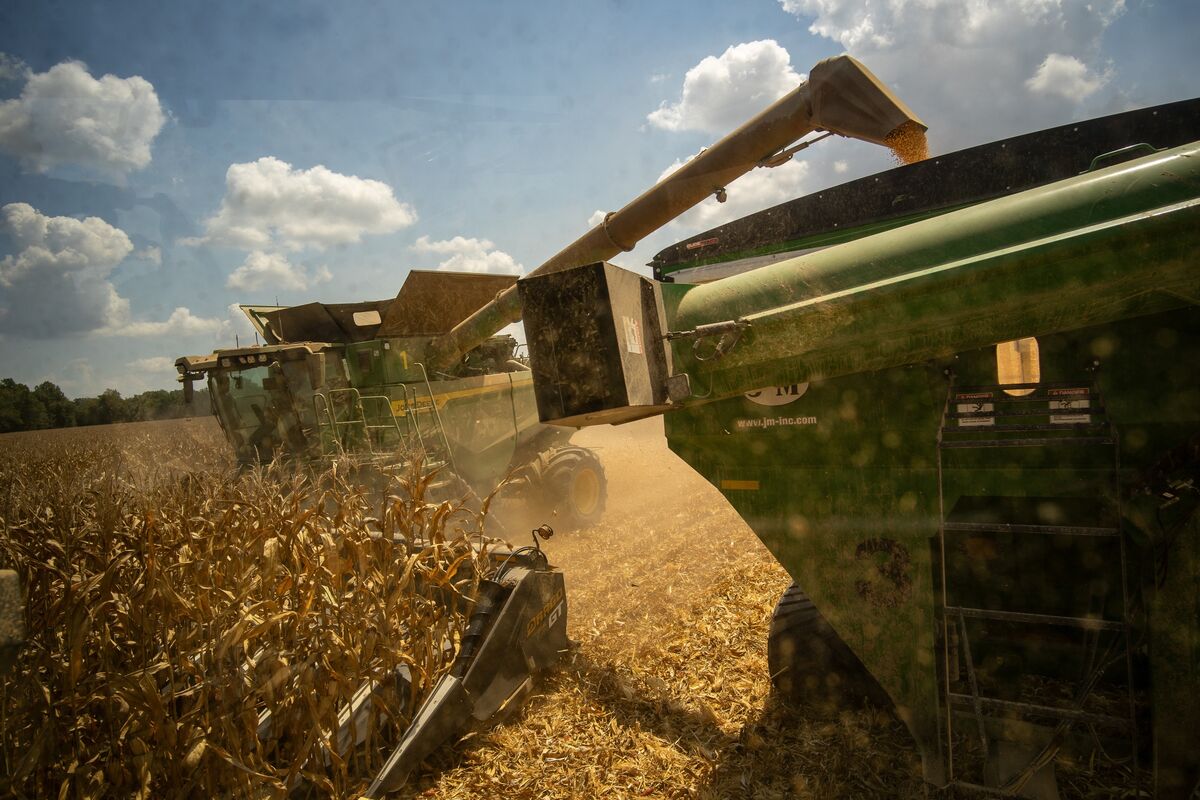
Following a closed-door briefing from US Ambassador David Perdue, Republican lawmakers indicate that China is not expected to resume purchasing US agricultural products in the near term. This ongoing situation, a direct consequence of the trade war, has resulted in China, the world's largest soybean importer, booking no US soybean shipments this season, exacerbating anxieties among American farmers.
The outlook for the US agricultural sector has soured significantly following a closed-door briefing where lawmakers concluded that a resumption of Chinese purchases is not imminent. This development, a direct consequence of the ongoing trade war, is particularly damaging given China's status as the world's largest soybean importer. The tangible impact is already evident, with China having booked zero US soybean shipments for the current season. This lack of demand is creating acute pressure on American farmers during the critical harvest period, signaling the potential for a domestic supply glut and depressed commodity prices. The strongly negative sentiment and high market impact score underscore the severity of this disruption to a key export channel for the United States.
AI-powered research, real-time alerts, and portfolio analytics for institutional investors.
Request DemoOverall Sentiment
strongly negative
Sentiment Score
-0.75
