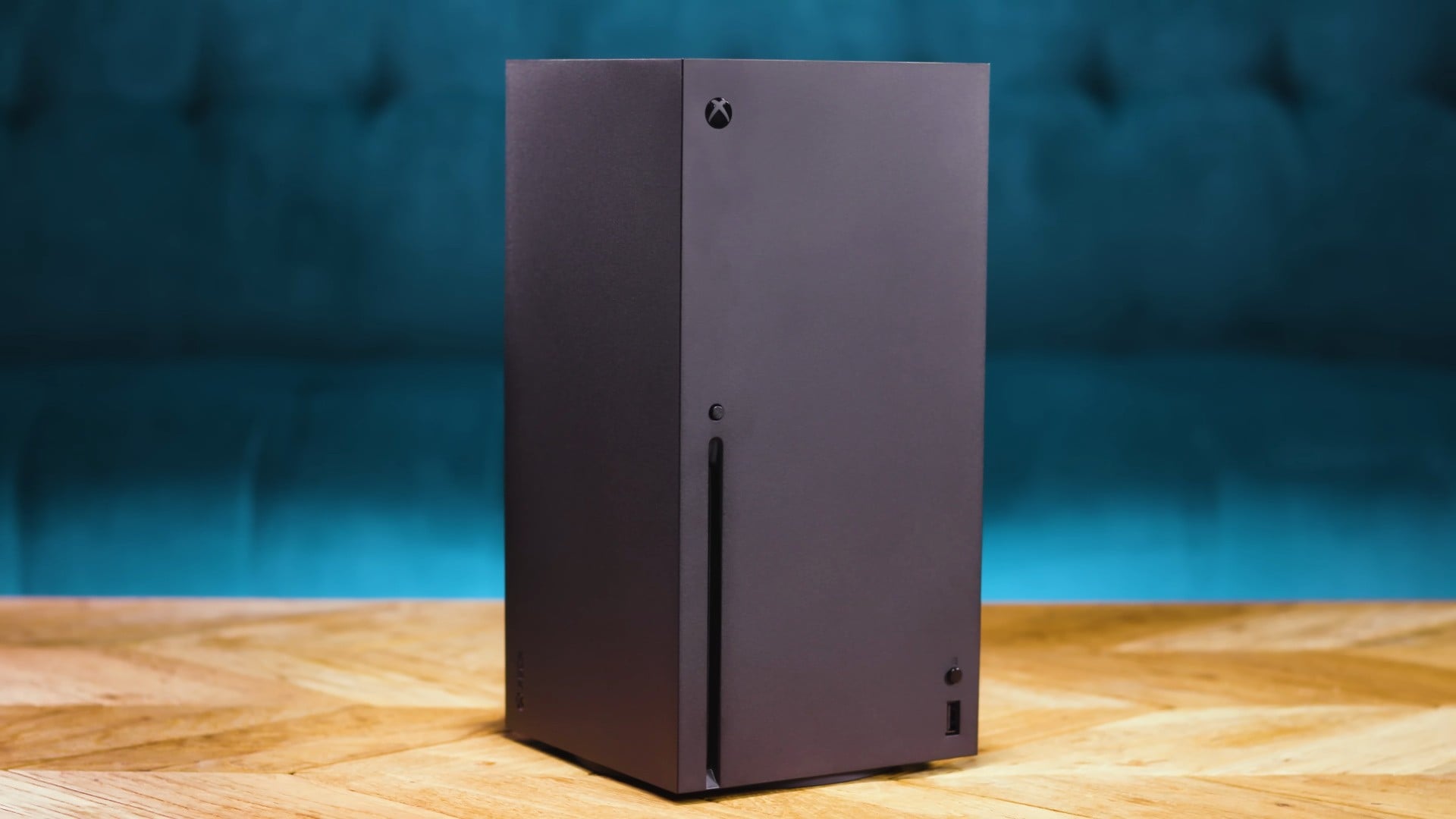
Sources indicate Microsoft's next Xbox — described internally as a 'full Windows PC' — currently has an earliest release window of late 2027, but AI-driven RAM shortages and supply-chain constraints raise a material risk of slipping into 2028 or later. Market participants should watch DRAM supply allocation and timing signals from Microsoft (notably the Nov. 15 Xbox anniversary) because any delay would shift hardware revenue cadence, affect game release schedules, and alter demand for semiconductor vendors tied to console components.
Market structure: A delayed next-gen Xbox pushes near-term demand from console hardware into 2027–2028, benefiting DRAM/HBM suppliers (Micron MU, Samsung, SK Hynix) via tighter pricing and increased lead times while weighing on SoC suppliers tied to console refresh cadence (AMD). Microsoft’s services (Game Pass, Azure cloud gaming) soften revenue impact but hardware OEMs and console component suppliers will see lumpy orders and potential inventory destocking over 6–18 months. Competitive dynamics favor memory vendors’ pricing power (expect DRAM ASPs up mid‑teens to 30% vs. base case if AI demand continues) and put pressure on AMD’s custom semi revenue in the next 12–24 months.
Risk assessment: Tail risks include an acute RAM allocation to data centers vs. consumer (price spikes >40%), trade restrictions on Korean/Chinese memory flows, or Microsoft pivoting to cloud-native Xbox reducing console unit economics permanently. Short-term (days–weeks) volatility will concentrate around supplier inventory prints and Nov 15 Xbox anniversary event; medium-term (3–12 months) is DRAM pricing and AMD order cadence; long-term (12–36 months) depends on console launch confirmation and MSFT’s PC-like architecture execution. Hidden dependencies: first-party game release schedules and chip foundry capacity windows create second-order demand shocks.
Trade implications: Tactical long exposure to DRAM (MU) and selective short/hedge of console SoC exposure (AMD) are highest-conviction for 3–12 month horizons; use option spreads to cap risk given timing uncertainty. Cross-asset: tighter DRAM supply supports commodity reflation narratives (inflationary impulse), could steepen credit spreads for component OEMs with inventory stress and lift semis-equity vols; consider 6–12 month implied vol buys on AMD and shorts on select hardware suppliers. Key catalysts: Nov 15 announcement, quarterly supplier order guides, Micron/AMD earnings, and industry memory ASP reports over next 3 quarters.
Contrarian angle: Consensus treats a Microsoft hardware delay as negative for MSFT; that may be underdone — a slower hardware cadence could accelerate Game Pass/subscriptions and Azure GPU monetization, offsetting hardware revenue loss over 12–24 months. Markets may also be pricing AI-driven DRAM demand too optimistically into MU/SK Hynix; any softening in data‑center AI capex would rapidly repriced DRAM. Historical analogue: console cycle shifts (PS4/PS5 transition) showed software/service revenue can decouple from hardware timing, so overweighting pure-play memory without hedging console-software exposure is asymmetric.
AI-powered research, real-time alerts, and portfolio analytics for institutional investors.
Request DemoOverall Sentiment
mildly negative
Sentiment Score
-0.25
Ticker Sentiment
