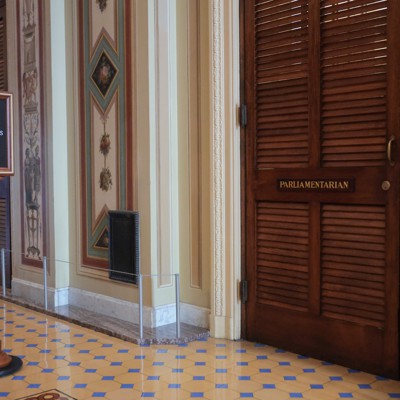
The Senate parliamentarian has ruled that numerous provisions within the Republican budget reconciliation package, which targeted federal workers' retirement benefits, unions, and civil service protections, violate the Byrd rule. This decision deems these proposals non-budgetary, requiring a 60-vote supermajority for passage rather than a simple majority, effectively blocking a significant portion of the GOP's efforts to reduce federal spending by altering workforce policies. The ruling is a substantial setback for the package's aim to offset extended tax cuts and increased immigration enforcement, preserving current federal employee benefits and protections.
The Senate parliamentarian's recent ruling has significantly constrained a key component of the Republican fiscal strategy by invalidating major federal workforce provisions within the budget reconciliation package. By deeming proposals non-budgetary under the Byrd rule, measures such as requiring new federal hires to contribute nearly 15% of their pay toward retirement and allowing broad agency reorganization authority now require a 60-vote supermajority, effectively halting their progress. This development presents a material setback to the legislative effort aimed at funding extended tax cuts and immigration enforcement through reductions in federal personnel costs. While smaller provisions, including an audit of health benefit dependents and a 10% fee on payroll deductions for union dues, remain in the bill, the most financially and structurally impactful reforms have been stripped. The confirmation from the Senate Majority Leader that the parliamentarian will not be overruled solidifies this outcome, forcing lawmakers to reconsider the fiscal arithmetic of the entire reconciliation package and find alternative offsets or accept a different deficit impact.
AI-powered research, real-time alerts, and portfolio analytics for institutional investors.
Overall Sentiment
moderately positive
Sentiment Score
0.45
