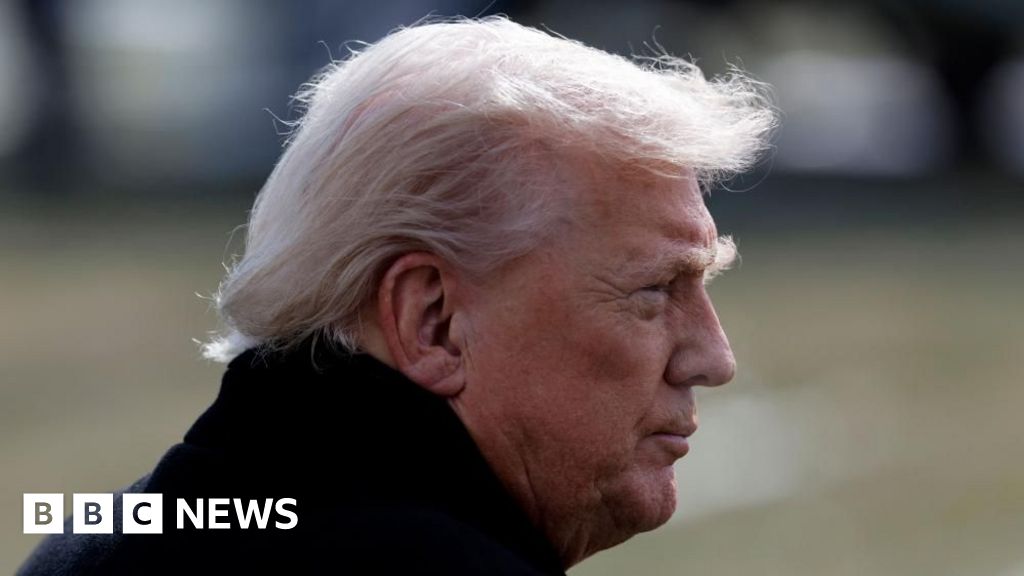
The DOJ has completed a congressionally mandated review of newly released Jeffrey Epstein files and Deputy Attorney General Todd Blanche stated there are no grounds for new prosecutions, while the documents — in which President Trump is mentioned over 6,000 times — continue to fuel political fallout. Despite the department's conclusion, the House is pursuing its own inquiry with planned testimony from Bill and Hillary Clinton, victims and lawmakers are demanding further disclosure of unredacted files, and Democrats have signalled they would subpoena Trump and other Republicans if they regain the House, leaving a lingering political-risk backdrop rather than an immediate market-moving event.
Market structure: The Epstein/DOJ document flow is a political/legal news shock that primarily benefits media, legal-service providers and short-term volatility products while imposing reputational risk on a handful of high-net-worth-linked entities (small, idiosyncratic equity moves of 3–8% possible on name-specific headlines). Broad market fundamentals are unchanged; expect elevated headline-driven intraday volume and a ~25–75bp rise in realized equity volatility around major disclosure events (days). Large-cap, cash-rich tech (MSFT) will likely trade as a flight-to-quality anchor versus small caps during headline episodes.
Risk assessment: Tail risks include a fresh tranche of unredacted files or a blockbuster congressional testimony (Clintons/others) that could reignite partisan policy actions or campaign-finance scrutiny — low probability but able to move sectoral reputations and donor-linked equities by >10% in weeks. Short-term (days–weeks) risk is headline-driven volatility; medium (1–6 months) is political re-pricing into midterms; long-term (≥12 months) risk is modest regulatory uncertainty if Congress pursues investigations. Hidden dependency: ad/ donation flows and fundraising cycles can amplify small reputational hits into revenue impacts for media and political-ad platforms.
Trade implications: Tactical trades should be hedges and relative-value, not directional exposure to headlines. Size volatility hedges (1–3% portfolio) into 3–6 month VIX-linked instruments around anticipated disclosure windows (next 30–90 days). Maintain small, size-limited put protection on large-cap names mentioned (MSFT) rather than outright selling; prefer pair trades: long quality (MSFT) vs short small-cap index (IWM) to capture flight-to-quality if headlines spike.
Contrarian angles: Consensus underestimates persistence — markets will repeatedly reprice on incremental document drops through midterms. The negative read on MSFT is overdone: no material business linkage to Epstein; a >5% pullback should be treated as buying opportunity for multi-quarter exposure. Historical parallels (high-profile political scandals) show short-lived equity damage but recurring headline volatility; position sizing must reflect low-probability/high-impact jumps rather than long-term bias.
AI-powered research, real-time alerts, and portfolio analytics for institutional investors.
Request DemoOverall Sentiment
neutral
Sentiment Score
0.00
Ticker Sentiment
