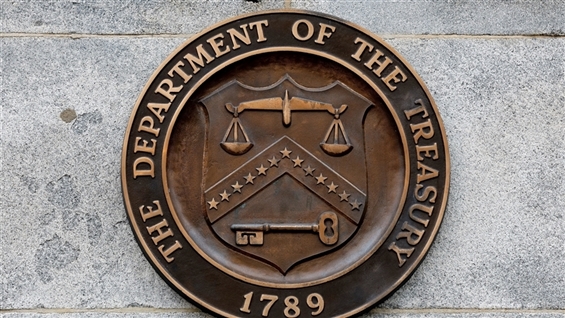
The US Treasury will convene meetings with domestic and international insurance regulators, with the first session possibly announced as soon as Wednesday, to address issues in the roughly USD2 trillion private credit (non-bank lending) market. Secretary Bessent plans regular consultations starting in Q2 to improve oversight and interaction between private credit firms and regulated institutions, seeking feedback on fund-level leverage, consistency in private credit ratings, offshore reinsurance use, and investment liquidity amid recent declines in market confidence.
Regulatory convening will catalyze a multi-stage repricing, not an overnight ban — expect near-term sentiment volatility (days–weeks) as fund-level leverage and off‑shore reinsurance come under scrutiny, and a multi-month technical squeeze as insurers reassess allocations and some LPs slow or pause commitments. That creates a predictable supply shock: pressured private credit funds will either slow new originations or sell secondary stakes, creating a temporary pool of mid-market loans and CLO slices that larger balance-sheet players and deep-pocketed asset managers can bid on at a premium to NAV but with attractive yields.
Second-order winners are entities with scale, capital flexibility, and distribution — they can harvest dislocated assets, pick up management mandates from smaller managers, and expand fee-bearing AUM; losers are niche/levered BDCs and smaller direct-lending shops facing redemptions, higher borrowing costs, and potential rating downgrades. Rating-consistency workstreams could force repricing of credit at the margin: a 100–200bp increase in effective funding costs for levered private funds is plausible within 6–12 months, compressing IRRs and pressuring NAVs if loan recoveries are slower than expected.
Tail risks include an acute liquidity event if a large private fund experiences forced redemptions or a cascade of covenant triggers — that would materialize in days and widen secondary discounts meaningfully; conversely, clear regulatory guidance and insurer re‑engagement could restore flows within 3–9 months. The consensus underestimates consolidation upside for scale managers: price discovery will create buying windows where the largest platforms convert transient distress into durable AUM growth and fee capture over 12–24 months.
AI-powered research, real-time alerts, and portfolio analytics for institutional investors.
Request DemoOverall Sentiment
neutral
Sentiment Score
-0.05
