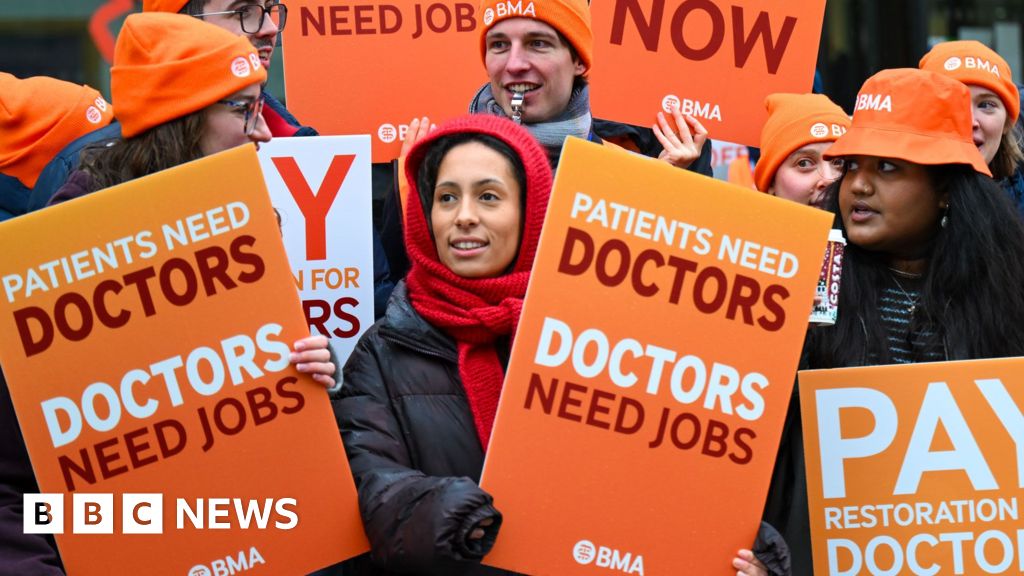
Resident doctors in England concluded a five-day strike that saw 65% participation and was the 14th such action since March 2023, forcing thousands of elective and outpatient cancellations as senior staff were redeployed to emergency care. The BMA says real pay is roughly 20% below 2008 levels despite an average 5.4% rise this year and has rejected a government offer; ministers say the union is seeking an additional 26% that the government cannot afford. Hospitals are prioritising safe discharges ahead of Christmas amid a slowing but still elevated flu surge, and further industrial action is planned in Scotland in January, creating ongoing operational and political risk for the NHS into 2026.
Market structure: The immediate winner is the private elective-care ecosystem (Spire SPI.L, HCA US:HCA) and recruitment/locum providers (Hays HAS.L) as cancelled NHS elective capacity creates a 3–9 month wave of displaced demand; NHS trusts and suppliers tied to elective volumes are losers, with upward pressure on private pricing for rooms and specialist clinics (potential 10–30% short-term rate uplift for scarce slots). Competitive dynamics favor providers with spare capacity or flexible staffing contracts; firms lacking scale face margin squeeze and longer lead times to expand capacity.
Risk assessment: Tail risks include escalation to consultant/nurse-wide strikes (low-probability, high-impact) or a government concession of a multi-year pay package >5% of GDP-equivalent cumulative cost, which would pressure gilts and sterling; near-term (days) operational disruption and backlog; short-term (weeks–6 months) private demand surge; long-term (1–3 years) sustained public wage inflation and higher-spread sovereign debt. Hidden dependencies: private capacity is limited by theatre availability, insurer willingness to pay, and locum supply; political catalysts are BMA negotiations and the Scottish January strike.
Trade implications: Construct long exposure to UK private elective plays (SPI.L) and staffing/recruiters (HAS.L) for a 3–12 month horizon while short-duration UK sovereign exposure (short UK 10y gilt futures or buy 6–12 month gilt put spreads) to hedge fiscal risk if pay deal grows. FX tilt: short GBP vs EUR/ USD on failed talks or a confirmed large pay package; choose options to cap downside given binary outcomes around negotiations.
Contrarian angles: Consensus assumes private sector can absorb backlog quickly — realistically capacity could absorb only ~30–50% of cancelled procedures in 6 months, supporting higher private pricing and margins longer than markets expect. Conversely, if government limits pay growth <5% and offers non-pay fixes (training/jobs), gilts may rally — prepare for quick mean-reversion. Historical parallels (previous UK doctor strikes) show short-term operational pain but multi-quarter private upside if capacity and payment rates reset.
AI-powered research, real-time alerts, and portfolio analytics for institutional investors.
Request DemoOverall Sentiment
moderately negative
Sentiment Score
-0.35
