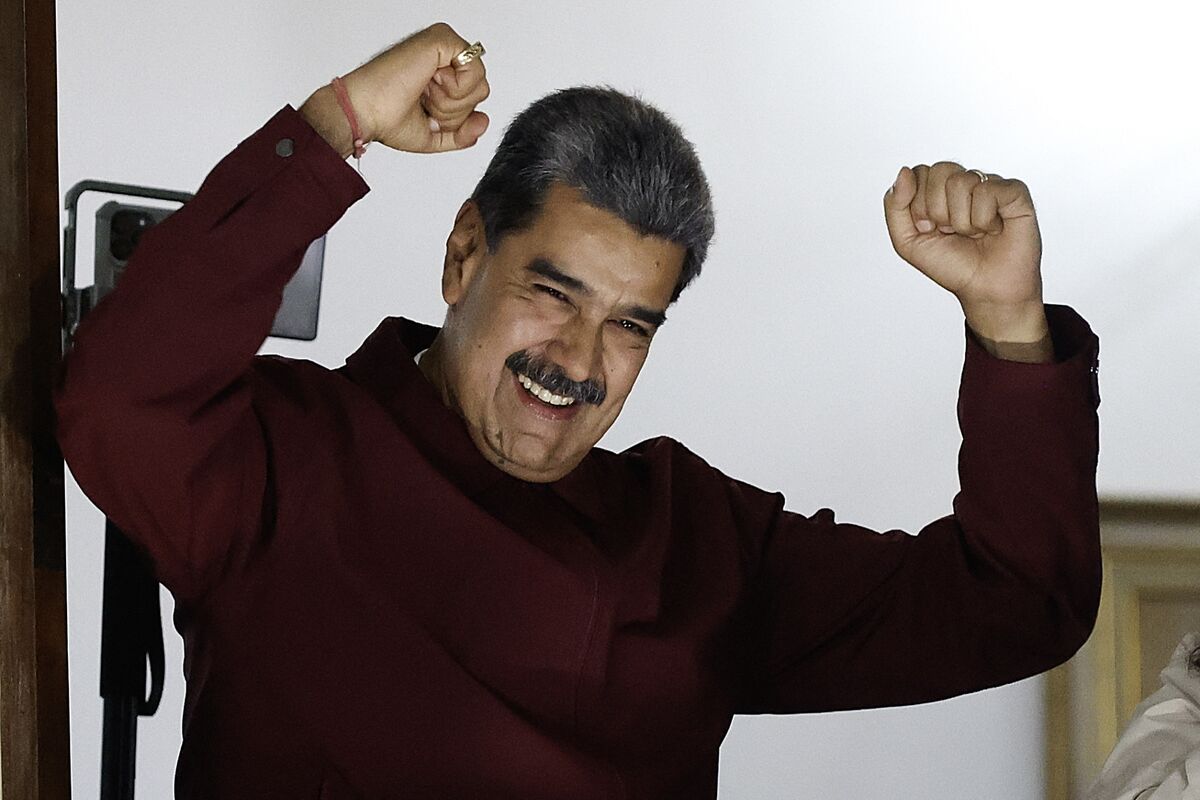
The U.S. has announced a $50 million reward for the arrest of Venezuelan President Nicolas Maduro on drug trafficking charges, accusing him of being a major global trafficker and utilizing allied groups to smuggle illicit drugs, including fentanyl, into the U.S. This significant bounty, announced by Attorney General Pam Bondi, follows the recent restoration of a key oil license to Venezuela, underscoring the nuanced and potentially conflicting nature of U.S. policy towards the Maduro regime.
The United States is pursuing a dual-track and seemingly contradictory policy towards Venezuela, creating significant uncertainty for markets. While the recent restoration of a key oil license signaled a potential easing of economic sanctions to increase global energy supply, the simultaneous placement of a $50 million reward for President Nicolas Maduro's arrest on drug trafficking charges dramatically escalates geopolitical risk. The U.S. Attorney General's accusation that Maduro utilizes 'terrorist' groups for illicit drug trafficking, including fentanyl, frames the issue as a direct national security threat. This action undermines the stability that energy companies and investors would require to act on the restored license, suggesting that any economic opening is fragile and subject to the volatile nature of U.S.-Venezuela relations. The move indicates that despite economic concessions, the fundamental U.S. stance towards the Maduro regime remains deeply adversarial, introducing a high degree of political risk into any investment thesis related to the nation's assets or commodity exports.
AI-powered research, real-time alerts, and portfolio analytics for institutional investors.
Request DemoOverall Sentiment
moderately negative
Sentiment Score
-0.30
