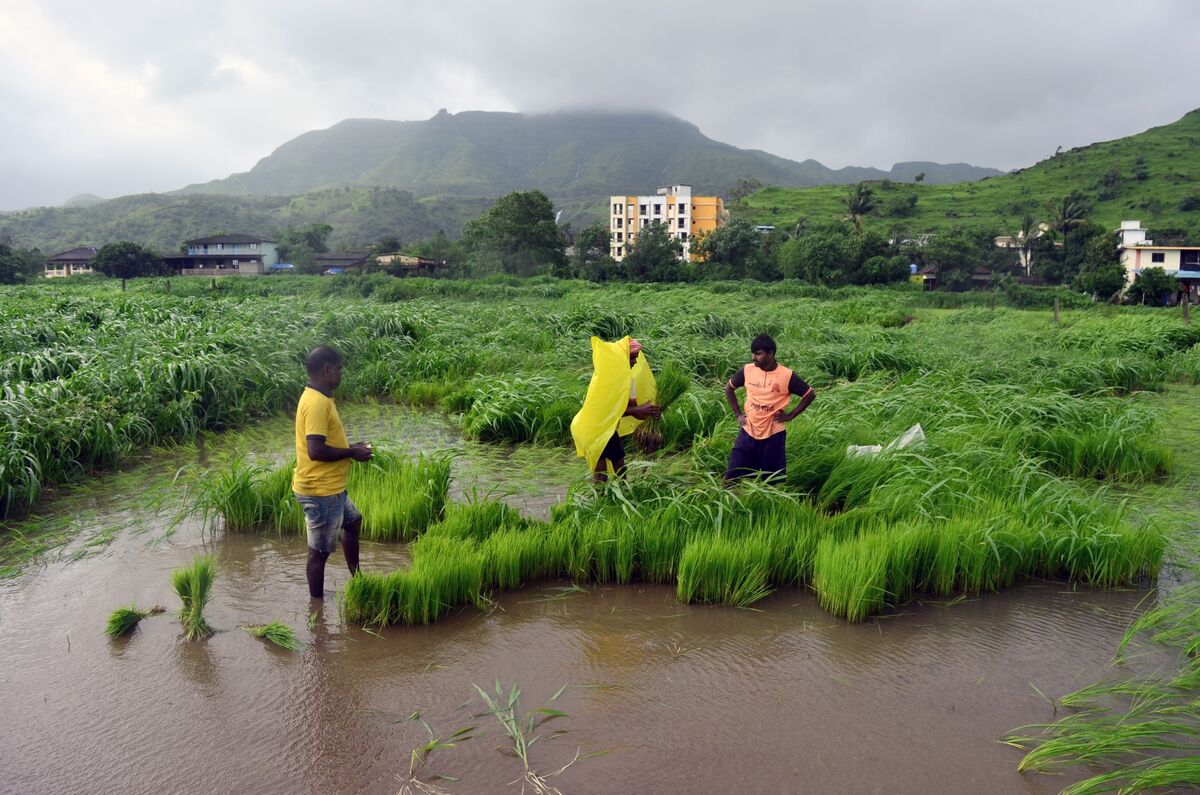
The U.S. has doubled tariffs on Indian goods to 50%, aiming to pressure New Delhi into opening its markets, a move reportedly linked to India's Russian oil purchases. In response, Indian Prime Minister Narendra Modi affirmed his government's commitment to safeguarding farmers' interests and boosting their incomes, notably without directly addressing the tariff hike. This development underscores escalating trade tensions between the two nations and India's strategic focus on domestic agricultural welfare amidst external economic pressure.
The United States has escalated trade friction with India by doubling tariffs on certain Indian goods to 50%, a move explicitly framed as both a penalty for India's Russian oil purchases and a tool to pressure New Delhi into opening its markets. This action intertwines trade policy with geopolitical alignment, creating a complex challenge for India. Prime Minister Modi's response was notably defensive and domestically focused, pledging to protect the interests of farmers—a critical political constituency—without directly addressing the U.S. tariff hike. This pivot to safeguarding the agricultural sector suggests a strategic decision to prioritize internal economic stability and political support over immediate trade retaliation. The situation underscores a period of heightened bilateral tension where U.S. economic leverage is being used to influence India's foreign policy, while India signals its intent to protect its domestic economy and strategic autonomy.
AI-powered research, real-time alerts, and portfolio analytics for institutional investors.
Request DemoOverall Sentiment
moderately negative
Sentiment Score
-0.40
