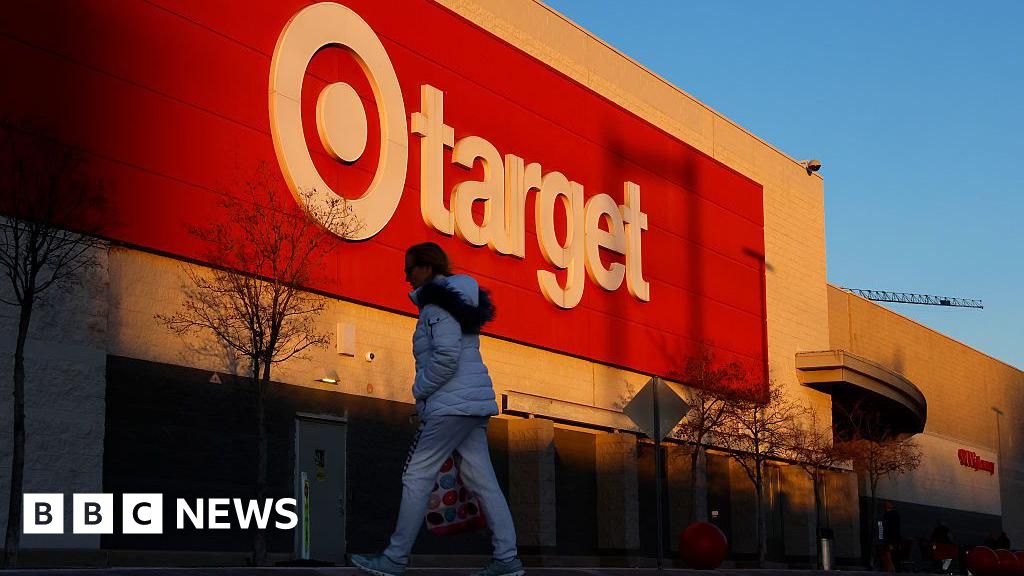
Target will cut roughly 500 jobs across US regional offices and distribution sites and reorganize geographic store districts to reallocate labor and hours into its nearly 2,000 stores, a move framed as an investment to win back customers under new CEO Michael Fiddelke. The reduction supplements an earlier October round that eliminated about 1,800 corporate roles (~8% of global corporate staff) amid more than four years of stagnant sales, supply shortages and recent ESG-related controversies; the changes signal a strategic shift toward bolstering in-store execution but underscore ongoing operational and demand challenges that could pressure near-term performance.
Market structure: The cuts signal Target (TGT) shifting spend from corporate overhead toward store labor — winners are discount and essentials players (WMT, DLTR, COST) in the near term as value-seeking consumers and supply-chain resilience favor them; losers are mid‑market apparel/electronics sellers and TGT’s own discretionary categories which historically drive ~50% of sales. Pricing power will likely compress for TGT vs. WMT as customers trade down; expect 1–3% margin pressure in the next two quarters if same‑store sales remain weak. Cross-asset: limited credit stress (investment‑grade), modest uptick in TGT equity IV and short-term put demand; USD/commodities largely unaffected except localized apparel/grocery buys.
Risk assessment: Tail risks include a politically driven consumer boycott or sustained ICE-related reputational damage that could knock 5–12% off revenue in worst-case local scenarios, and execution risk where store reinvestment raises opex more than sales. Immediate impact (days): sentiment move and option IV; short-term (weeks–months): comps and Q results; long-term (quarters–years): success of district reorg and guest-training on traffic. Hidden dependencies: inventory allocation, competing promo intensity, and wage inflation could blunt benefits. Key catalysts: next quarterly print, March–May promotional cadence, and holiday selling trends.
Trade implications: Direct play — establish a tactical 1.5–2.5% short position in TGT within 2 weeks targeting 12–15% downside over 3 months with an 8% stop; pair trade — long WMT (2–3%) / short TGT (2–3%) for 3–6 months to capture relative resilience. Options — buy a 3‑month TGT 5% OTM put spread sized at 0.5–1% portfolio notional to cap cost while retaining asymmetric downside. Sector rotation: overweight discount staples and grocery, underweight mid‑tier apparel/housewares for the next 6–12 months.
Contrarian angles: The market may be underestimating operational upside from focused store investment — if TGT execution restores traffic, upside could materialize over 12–18 months; a >10% share drop in 30 days should be treated as a tactical buy opportunity. Reaction may be overdone if cuts materially improve guest experience; historically, retailers that reinvested in stores saw recovery within 4–8 quarters. Unintended consequence: higher store headcount could compress margins short‑term, so any long entry should be staged and conditional on improving comps.
AI-powered research, real-time alerts, and portfolio analytics for institutional investors.
Request DemoOverall Sentiment
moderately negative
Sentiment Score
-0.45
Ticker Sentiment
