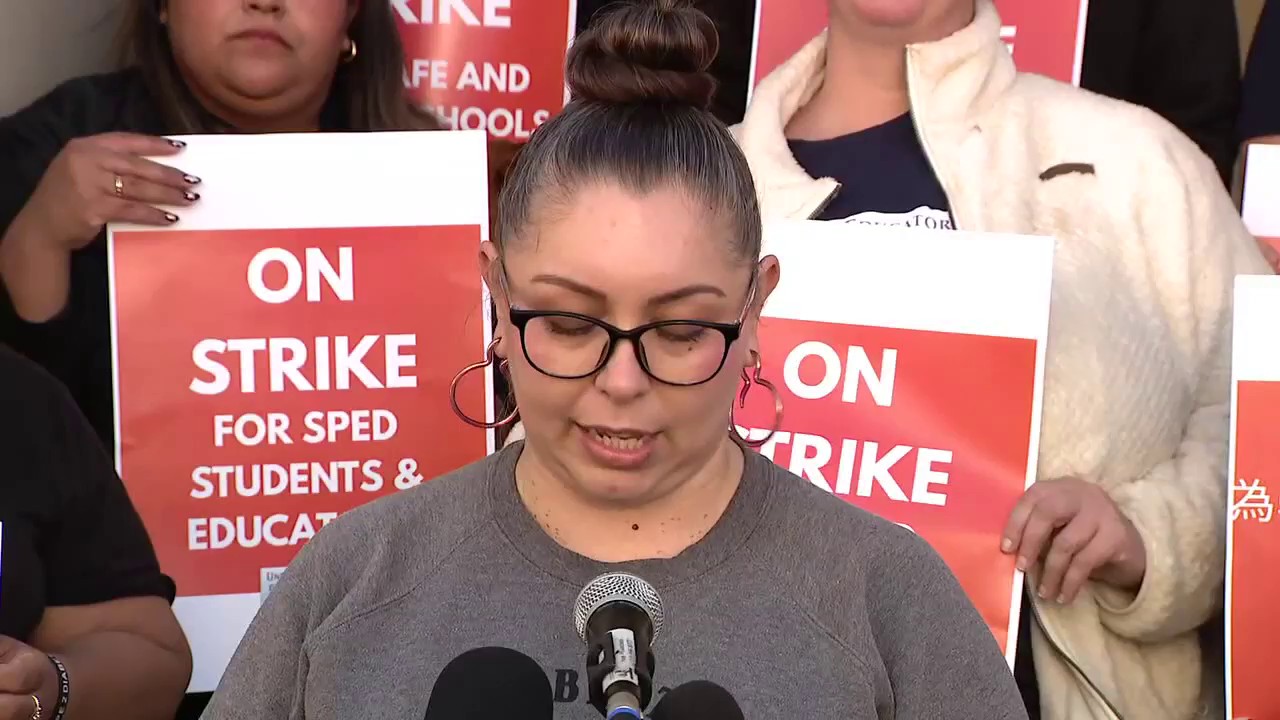
San Francisco Unified School District canceled classes for nearly 50,000 students as United Educators of San Francisco initiated the city's first teachers' strike in 47 years after failing to reach agreement on pay and benefits; the union demands a fully funded healthcare plan and a 9–14% raise over two years while the district countered with a $24,000 health-benefits allowance and a 6% raise accompanied by cuts. The district says it is in a structural deficit under state oversight and is working with partners to provide childcare, meals and virtual assignments; Mayor Daniel Lurie requested a three-day cooling-off period but talks were ongoing, leaving potential downside risk to SFUSD’s budget and municipal fiscal pressures if a deal increases labor costs.
Market structure: Localized strikes create immediate winners in private tutoring, ed‑tech and emergency childcare. Expect 10–30% short‑term volume lift for firms that can monetize on‑demand instruction (Chegg CHGG, Zoom ZM) and a 5–15% uptick in bookings/revenue for corporate childcare providers (Bright Horizons BFAM) while SF retailers and after‑school vendors see muted foot traffic and revenue hits during multi‑day strikes.
Risk assessment: Tail risks include a prolonged (>2 weeks) strike that depresses enrollment, forces SFUSD budget cuts or state action and widens SF muni spreads by 50–150 bps; immediate risk is operational disruption (days), budget re‑negotiation risk (weeks–months), and structural fiscal pressure (quarters). Hidden dependencies: pupil counts drive per‑pupil funding and pension obligations amplify any wage settlement; contagion to other large districts would amplify muni/social service liabilities.
Trade implications: Tactical longs: CHGG and BFAM to capture higher short‑term demand and pricing power; protect with 1–2% position sizes and time horizons of 1–3 months. Credit trade: modest short exposure to long‑duration California/municipal bond ETF(s) to hedge potential spread widening. Use short‑dated options to express directional conviction while capping downside.
Contrarian angles: Consensus underestimates both the fiscal multiplier of a wage settlement (a 9–14% raise could increase SFUSD labor costs by mid‑single digits of budget, pressuring muni credit) and the probability the strike is short (if resolution takes >5 business days, ed‑tech gains accelerate). The market may be overpricing permanent demand shifts into ed‑tech if the walkout ends within a week; position sizing and options should reflect this timing uncertainty.
AI-powered research, real-time alerts, and portfolio analytics for institutional investors.
Request DemoOverall Sentiment
moderately negative
Sentiment Score
-0.35
