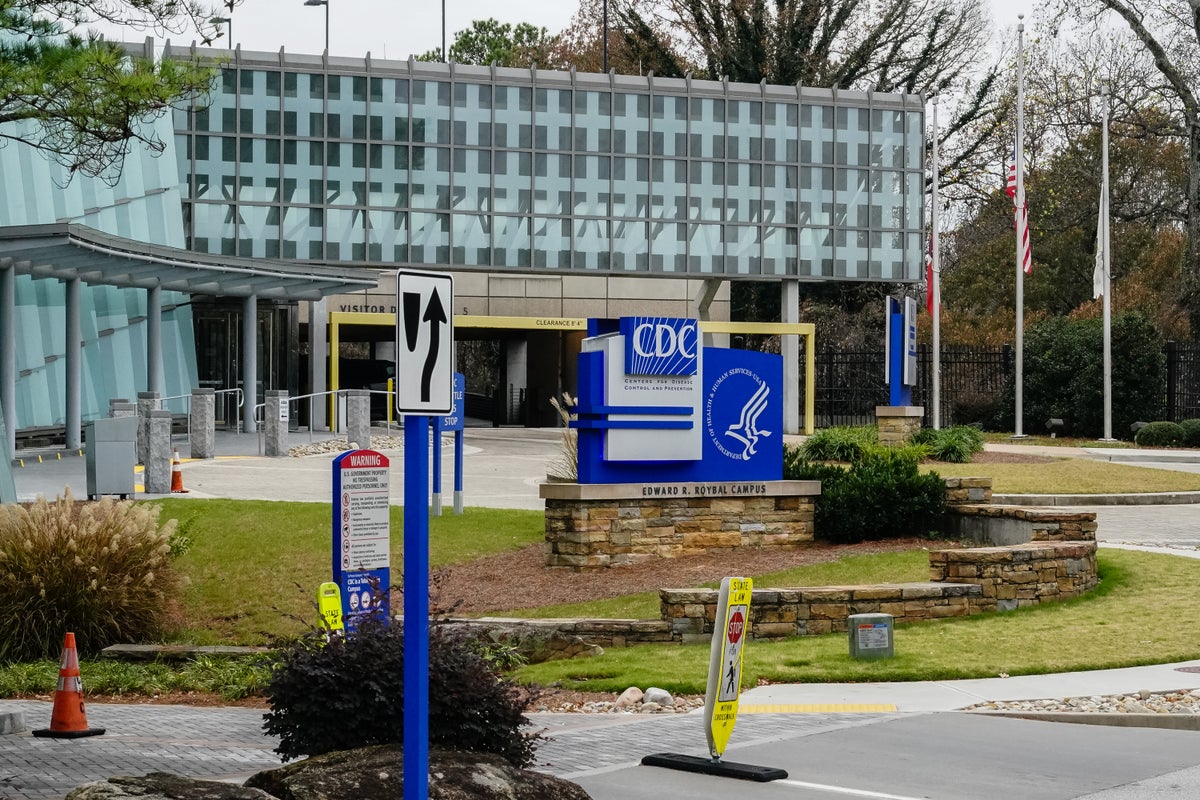
The U.S. HHS confirmed a $1.6 million, five-year randomized trial in Guinea-Bissau to study the health effects of the hepatitis B vaccine on 14,000 newborns, with half randomized to receive a birth dose and half to receive no vaccine; hepatitis B prevalence in the country is reported at about 18.75%. The award, given without competition to Danish researchers and championed by antivaccine figures, has provoked ethics criticisms—including comparisons to the Tuskegee study—for failing to test mothers and withholding a potentially lifesaving vaccine; HHS says the study will proceed and defends it by citing existing local policy that delays newborn vaccination until 2027. Direct market implications are limited, but the episode creates reputational and regulatory risk for involved institutions and could affect global vaccine policy debates.
Market structure: The controversy is a reputational/regulatory shock, not a demand shock for vaccines globally; incumbent large-cap vaccine makers (PFE, MRK, GSK) are implicit winners for flight-to-quality and could see 1–3% relative outperformance vs small-cap vaccine/biotech if sentiment weakens. Small biotech and niche CROs tied to controversial investigators face asymmetric downside as trials are paused or delisted, compressing their short-term pricing power for trial recruitment and regulatory approvals. FX and commodity channels are minimal; primary cross-asset move is modest safe-haven into big-cap healthcare equities and USD emerging-market risk premia widening by low-single-digit bps for affected frontier credits.
Risk assessment: Tail risks include regulatory clampdowns on non-competitive grants, reputational impairment to CDC/HHS, or broader anti-vaccine policy spillovers that could depress vaccine uptake in select EMs by >5–10% (low-probability, high-impact). Immediate (days) risk is media volatility and small-cap biotech mark-downs; short-term (weeks–months) is regulatory inquiries and trial delays; long-term (6–24 months) is potential policy shifts in WHO/HHS funding and trial oversight that raise compliance costs. Hidden dependencies: WHO/Africa CDC statements and leaks drive market perception more than trial science; donor funding reallocations (Gavi, Gates Foundation) are second-order balance-sheet risks.
trade implications: Tactical: overweight large-cap pharma (PFE, MRK, GSK) by 1–3% vs market for 1–3 months to capture flight-to-quality; short small-cap biotech exposure via XBI or IBB put spreads sized 0.5–1% notional to hedge headline risk. Pair trade: long 2% PFE / short 1% XBI to play quality vs volatility within 2–6 weeks. Options: buy 3-month put spread on XBI (10–20% downside protection) to monetize elevated headline-driven IV; exit or reprice after definitive HHS/Africa CDC statement (target 30–60 days).
contrarian angles: Consensus overstresses ethics headlines as systemic for big pharma; historical parallels (Vaccine controversies in 2000s) show large integrators regained share within 6–12 months while small specialist names lost tenors of financing. If the trial is halted permanently, expect a transient widening in small-cap biotech spreads but potential M&A consolidation opportunities for acquirers with cash (MRK, PFE) 6–18 months out. Unintended consequence: heavy selling in small-cap biotech could create a 10–20% mispricing vs fundamentals—selective buys on quality names with cash runway >12 months could outperform once volatility subsides.
AI-powered research, real-time alerts, and portfolio analytics for institutional investors.
Request DemoOverall Sentiment
mildly negative
Sentiment Score
-0.25
