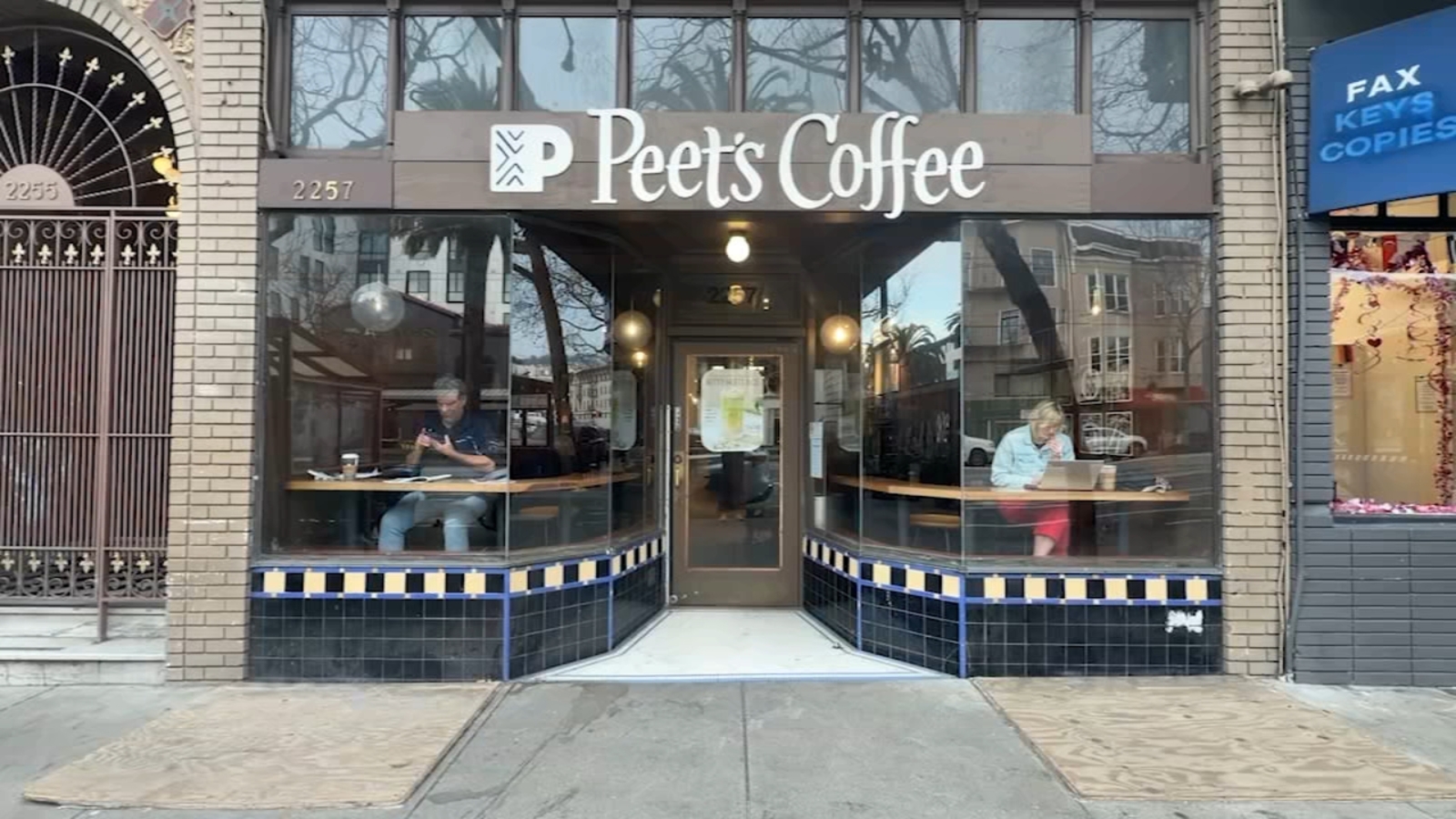
Keurig Dr Pepper's takeover of Peet's Coffee (noted in coverage as an ~$18 billion transaction) is triggering a wave of local store closures in the Bay Area, with Peet's announcing a number of locations will shut by the end of January 2026 as part of aligning the business with long-term growth priorities. The closures include at least four city locations (union and non-union), producing worker dislocation, limited transfer options and union engagement over employee support. Operational consolidation may reduce costs and signal strategic restructuring under new ownership, but the item is largely local and operational, implying limited near-term market impact on the acquirer or broader retail sector.
Market structure: Local Peet’s closures are a targeted rationalization that benefits consolidated beverage packaged players (Keurig Dr Pepper KDP if cost synergies are realized) and national chains like Starbucks (SBUX) that can capture displaced foot-traffic; downtown landlords and specialty retail operators lose. Pricing power shifts are modest — expect localized retail share reallocation, not a material change to global coffee bean demand (impact on Arabica futures likely <1% demand shock). Credit markets may reprice KDP’s acquisition leverage: watch IG spread widening of +50–150 bps as a plausible near-term effect.
Risk assessment: Immediate (days–weeks) risks are one‑time closure charges, severance and lease termination costs (conceivable $50–$300m range depending on scope); short‑term (3–12 months) risks include union escalation and brand erosion in key urban markets; long‑term (12–24 months) tail risk is failed integration producing goodwill impairment >$500m. Hidden dependencies: lease termination clauses, earn‑out covenants, and local labor negotiations that can amplify cash costs. Catalysts: KDP earnings releases, 10‑Q/10‑K lease disclosures, union filings and municipal labor actions.
Trade implications: Tactical short KDP via a defined‑risk options put spread (3‑month, 5–10% OTM) sized to 1–2% portfolio or buy protection in IG bond/credit if spreads widen >50 bps. Relative‑value: long SBUX (1–3% position) vs short KDP (equal dollar) to capture retail share shift; if KDP equity drops >15% post‑deal, consider covered call selling. Sector rotation: favor packaged beverages staples over urban retail/food‑service REITs for next 6–12 months.
Contrarian angles: Consensus may overreact to local store closures — these can be margin‑accretive long‑run if KDP extracts $300–500m+ synergies in 12–24 months, creating a >15% upside binary. Historical parallel: post‑M&A retail rationalizations often cause 6–12 month stock weakness then recovery on realized cost saves. Unintended consequences: heavy store cuts could trigger protracted labor disputes that materially raise operating costs, so size positions with that binary in mind.
AI-powered research, real-time alerts, and portfolio analytics for institutional investors.
Request DemoOverall Sentiment
moderately negative
Sentiment Score
-0.45
Ticker Sentiment
