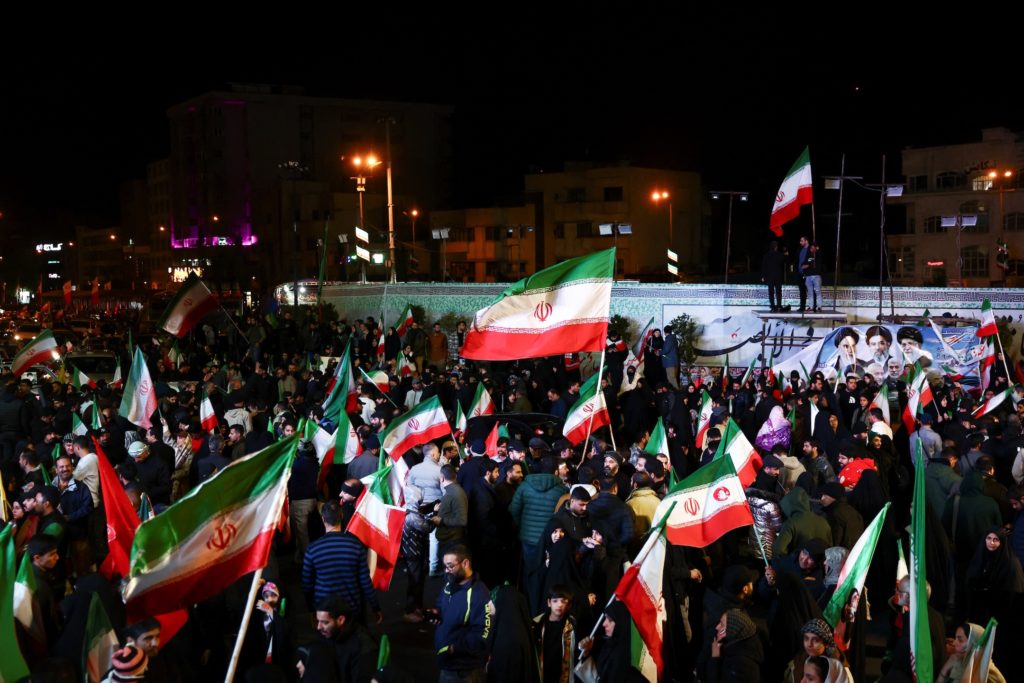
A two-week ceasefire was agreed after President Trump threatened to 'erase' an entire civilization in Iran; Iranian state media are portraying the pause as a victory. Key market implication is whether Iran will reopen or retain control over the Strait of Hormuz after two weeks — a decision that directly affects oil shipping and energy prices. The temporary de-escalation reduces immediate tail risk, but persistent uncertainty around the Strait and potential resumption of hostilities keeps elevated downside risk for energy and shipping sectors.
The durable lesson markets are discounting too cheaply is strategic use of the Strait of Hormuz as an intermittently deployable economic weapon. A repeatable pattern of temporary closures or threats need not be continuous to drive outsized market impacts: a 2–6 week disruption raises tanker voyage times, insurance premiums and time-charter rates in a non-linear way that can lift spot freight rates by multiples within days and put sustained upside pressure on Brent and refined product spreads.
Second-order winners extend beyond upstream producers to owners of seaborne crude capacity (NYSE-listed tanker owners and certain shipping finance vehicles) and specialty insurers/reinsurers that can re-price regional political risk; losers include short-haul passenger carriers and integrated logistics chains that lack easy reroute options. Supply-chain frictions also amplify refinery margin volatility — refiners receiving Middle East sour grades face both input delivery uncertainty and switching costs that temporarily widen cracks for heavy vs light barrels.
Tail risks sit in the tail: an entrenchment of Hormuz leverage as a bargaining chip increases the probability of periodic market dislocations over the next 12 months (I’d assign a >15% chance of at least one multi-week disruption and ~5% chance of a multi-month disruption). Catalysts that would reverse the premium include credible multilayer naval chokepoint guarantees by coalition navies, a rapid diplomatic normalization that undercuts the incentive to hold the chokepoint, or a large SPR coordinated release sized to cap a price spike — all of which are policy-timed and could compress premiums inside 30–90 days.
AI-powered research, real-time alerts, and portfolio analytics for institutional investors.
Overall Sentiment
neutral
Sentiment Score
0.00
