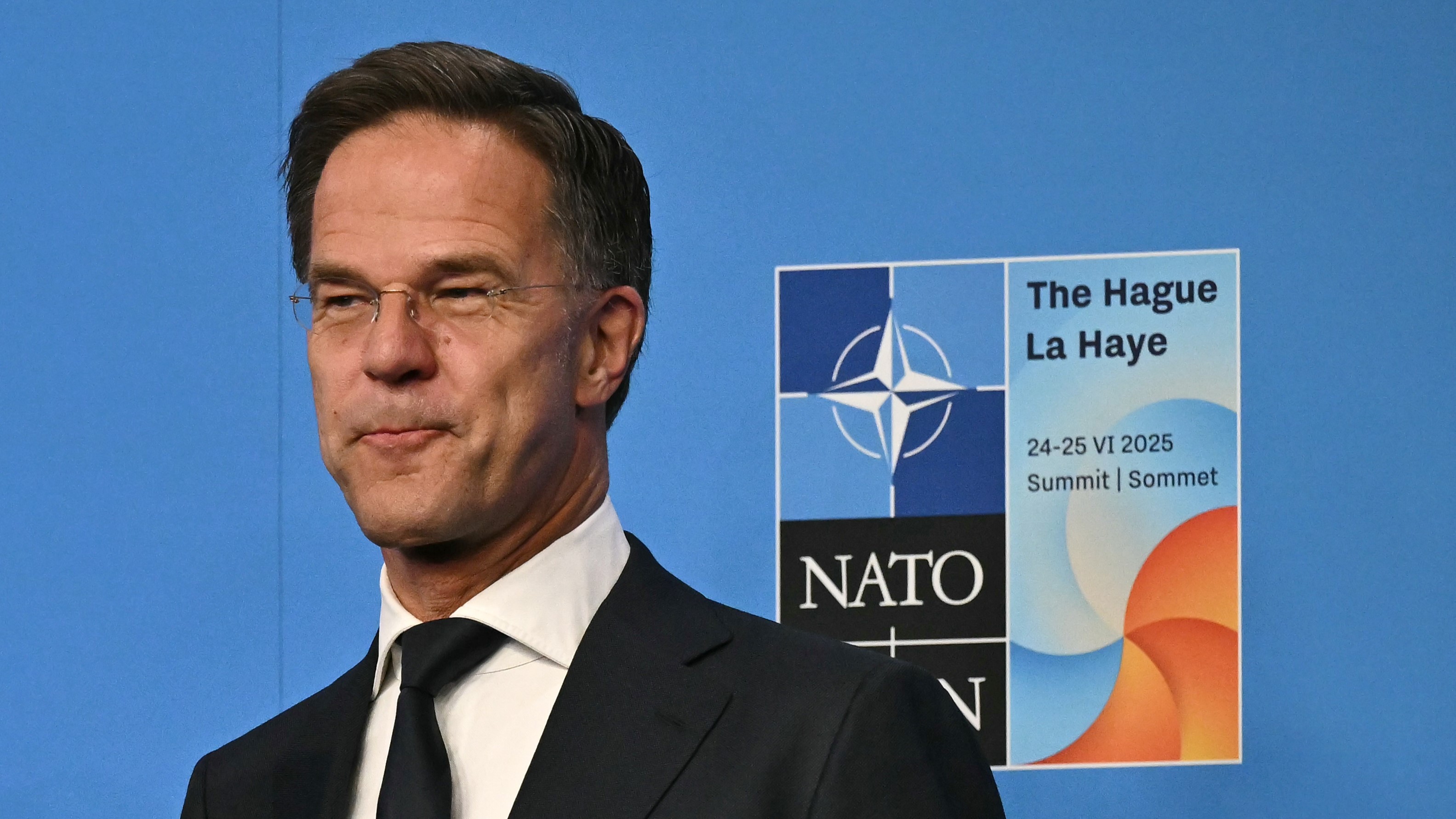
NATO allies have reportedly agreed to a new defense spending target of 5% of GDP, according to a statement from Rutte. This significant increase signals a substantial commitment to collective security and implies a robust outlook for the defense industry, potentially reallocating fiscal resources across member nations.
A statement attributed to Rutte indicates NATO allies have agreed to a new defense spending target of 5% of GDP. This represents a monumental shift from the previous informal 2% guideline and signals a profound recalibration of member nations' fiscal priorities in response to a heightened geopolitical threat environment. Such a significant increase in expenditure implies a massive, long-term stimulus for the global defense industry. The move will necessitate a substantial reallocation of capital within national budgets, potentially leading to increased sovereign debt or cuts in other areas of public spending. The high market impact score and strongly positive sentiment reflect the market's view that this development provides a powerful and sustained tailwind for companies in the aerospace, defense, and cybersecurity sectors.
AI-powered research, real-time alerts, and portfolio analytics for institutional investors.
Request DemoOverall Sentiment
strongly positive
Sentiment Score
0.75
