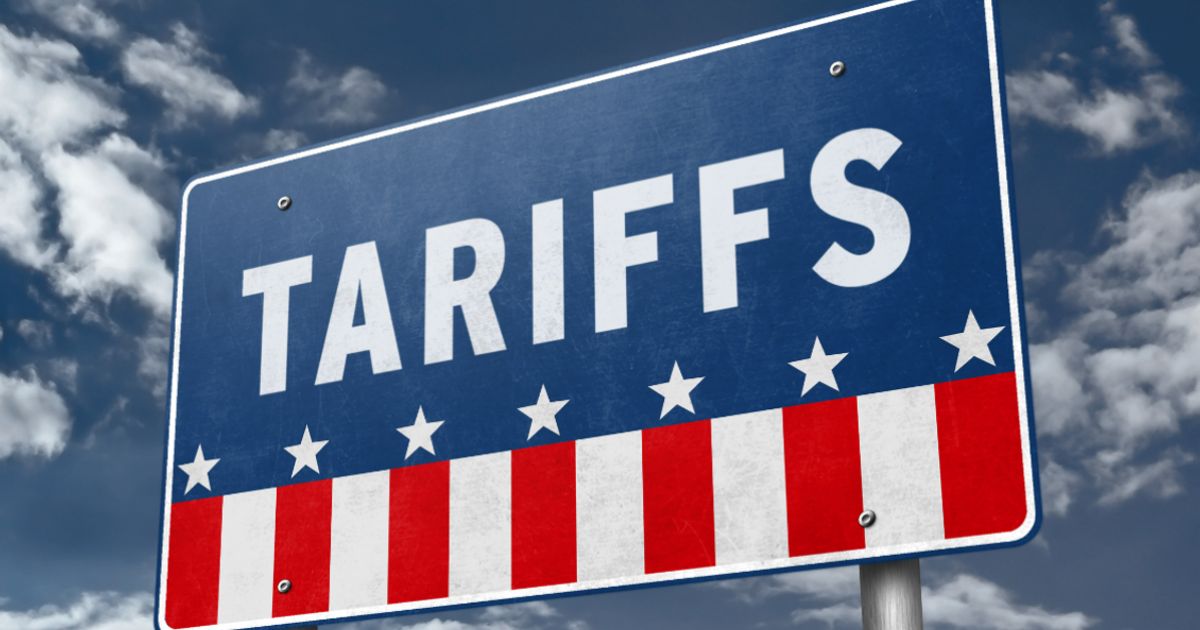
In a 6-3 decision in Learning Resources, Inc. v. Trump the U.S. Supreme Court ruled that former President Trump exceeded authority by imposing broad tariffs under the International Emergency Economic Powers Act (IEEPA), invalidating tariffs implemented under that statute while leaving other tariff avenues (Section 232, 301, 122) available. Wedbush flagged roughly $133.5 billion of tariff revenue potentially affected (and IG cited a possible $175 billion refund), prompting gains in tech-driven indices (Nasdaq +0.8%, S&P 500 +0.4%, Dow +0.1%) as firms and global supply chains reassess costs; energy and FX markets saw concurrent volatility with oil at a six-month high and the dollar at a one-month peak.
Market structure: The Supreme Court ruling removes a tail of policy risk for import‑dependent sectors—tech, semiconductors, consumer electronics, and import‑heavy retail—potentially restoring 2–5ppt of gross margin for the most exposed firms over the next 12 months. Direct beneficiaries include large-cap tech (QQQ/XLK names) and Asian supply‑chain suppliers; losers are domestic tariff beneficiaries (steel/aluminum: NUE, X, STLD) and niche tariff‑protected specialty manufacturers that lose pricing power. Cross‑asset: expect compression in equity risk premia for tech, modest downward pressure on US Treasury yields as refund/settlement flows reduce corporate cash drag, and a stronger USD in the short run on risk‑on; oil remains driven by geopolitics independent of tariff news.
Risk assessment: Tail risks include rapid policy substitution (Section 232/301) or expedited Congressional action reinstating tariffs—low probability but high impact, likely within 30–90 days. Near term (days–weeks): positive equity repricing; short term (weeks–months): supply‑chain re‑routing slows; long term (quarters–years): structural uncertainty persists through the 2028 election cycle. Hidden dependencies: tariff refunds could concentrate in a handful of large importers, boosting buybacks or capex unevenly. Catalysts to watch: Commerce/DOJ guidance in 30–60 days, Treasury refund filings within 90 days, and any new tariff proclamations.
Trade implications: Tactical overweight tech and semiconductors (SMH, NVDA) and underweight materials (NUE, X) over 3–9 months. Use short‑duration options to hedge policy reversal risk—buy 3‑month call spreads on SMH and 3‑month put spreads on NUE. Pair trade: long SMH vs short X (1:1 notional) to capture relative re‑rating while limiting macro beta. Entry window: scale 50% immediately, 50% over 2–4 weeks; target gains 15–25%, stop losses 8–10%.
Contrarian angles: Consensus underestimates the risk that administrative substitution (301/232) reintroduces targeted tariffs—markets may be underpricing a ~20–30% probability of recrudescence over 6 months. Also underappreciated is that large refunds ($50–175B) could create concentrated cash inflows prompting buybacks that lift select equities but add fiscal/FX volatility. Historical parallel: 2018–19 tariff era shows durable dispersion across names despite headline reversals; prefer name‑specific sizing over broad market bets.
AI-powered research, real-time alerts, and portfolio analytics for institutional investors.
Request DemoOverall Sentiment
mildly positive
Sentiment Score
0.28
Ticker Sentiment
