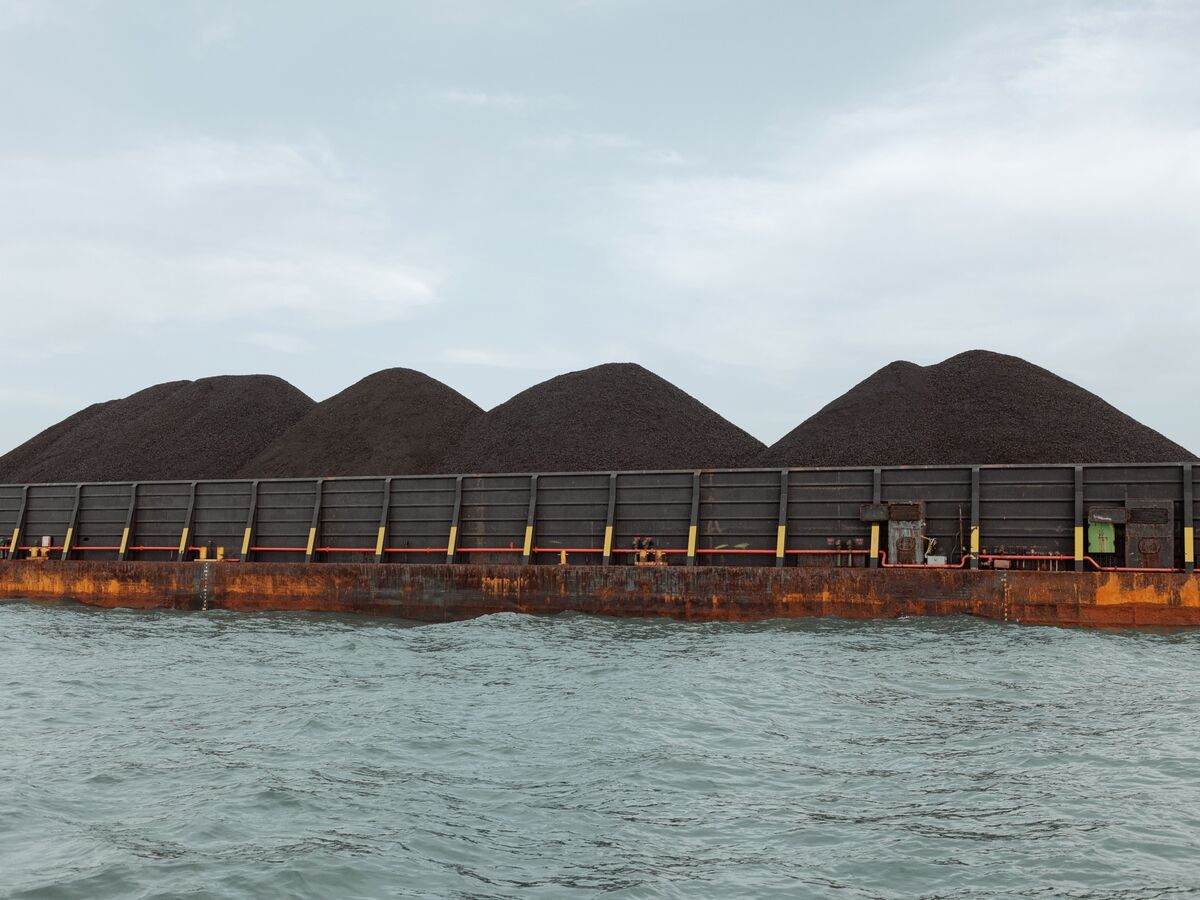
Indonesia has reversed its controversial coal and mineral pricing regulations, allowing miners to sell below previously government-mandated benchmarks following significant pushback from buyers. This new decree, effective August 8, replaces a March policy that had sparked a 'revolt' among coal purchasers, signaling increased market flexibility for Indonesian commodity exports and potentially impacting global coal prices.
The Indonesian government has rescinded a commodity pricing regulation established in March, which mandated that miners sell coal and minerals at government-determined prices. According to a new ministerial decree signed on August 8, producers are now permitted to sell below these official benchmark levels. This policy reversal is a direct response to significant pushback and what was described as a 'revolt' from coal buyers, who resisted the state-enforced price floor. The move reintroduces market-based pricing flexibility, removing a critical point of friction in trade negotiations and potentially making Indonesian coal more competitive on the global market. The previous regulation created uncertainty and disrupted sales, and its removal is viewed as a moderately positive development that could normalize trade flows and pricing mechanisms for one of the world's largest coal exporters.
AI-powered research, real-time alerts, and portfolio analytics for institutional investors.
Request DemoOverall Sentiment
moderately positive
Sentiment Score
0.50
