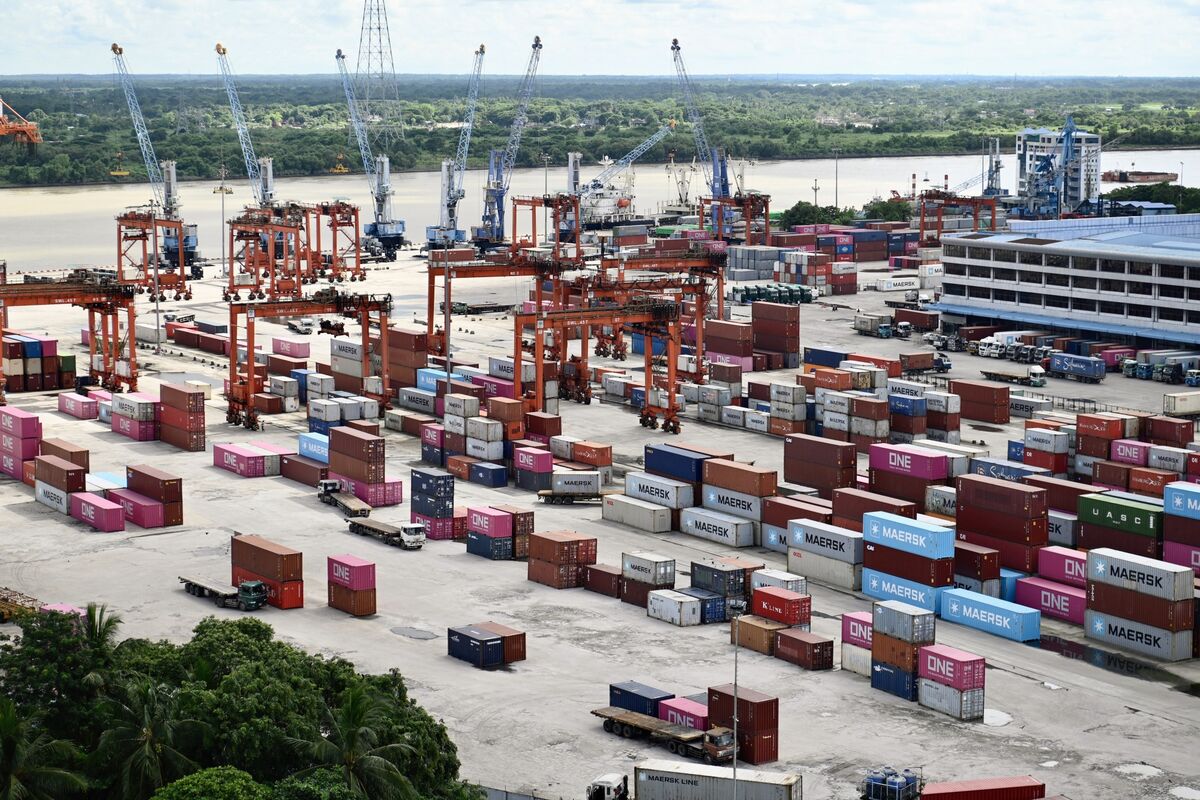
Myanmar's military government remains optimistic about ongoing negotiations with the United States to reduce the 40% tariffs imposed during the Trump administration on its goods, according to Zaw Min Tun, chief spokesman for the ruling State Security and Peace Commission. The continued dialogue signals persistent efforts to address significant trade barriers despite the current political landscape.
Myanmar's military government has confirmed it is in active negotiations with the United States to reduce a significant 40% tariff on its goods, a remnant of the Trump administration's trade policies. According to the government's chief spokesman, Zaw Min Tun, the ongoing nature of the dialogue fosters an "upbeat" outlook on reaching a favorable deal. While the optimistic tone from the Myanmar government is a positive signal, the situation remains fluid, as reflected by a mixed overall sentiment score. The 40% tariff level represents a substantial barrier to trade, and any potential reduction would be a material catalyst for Myanmar's export-oriented economy. The low market impact score suggests this is currently viewed as a localized issue, primarily affecting companies with direct supply chain exposure to Myanmar rather than the broader market.
AI-powered research, real-time alerts, and portfolio analytics for institutional investors.
Request DemoOverall Sentiment
mixed
Sentiment Score
0.10
