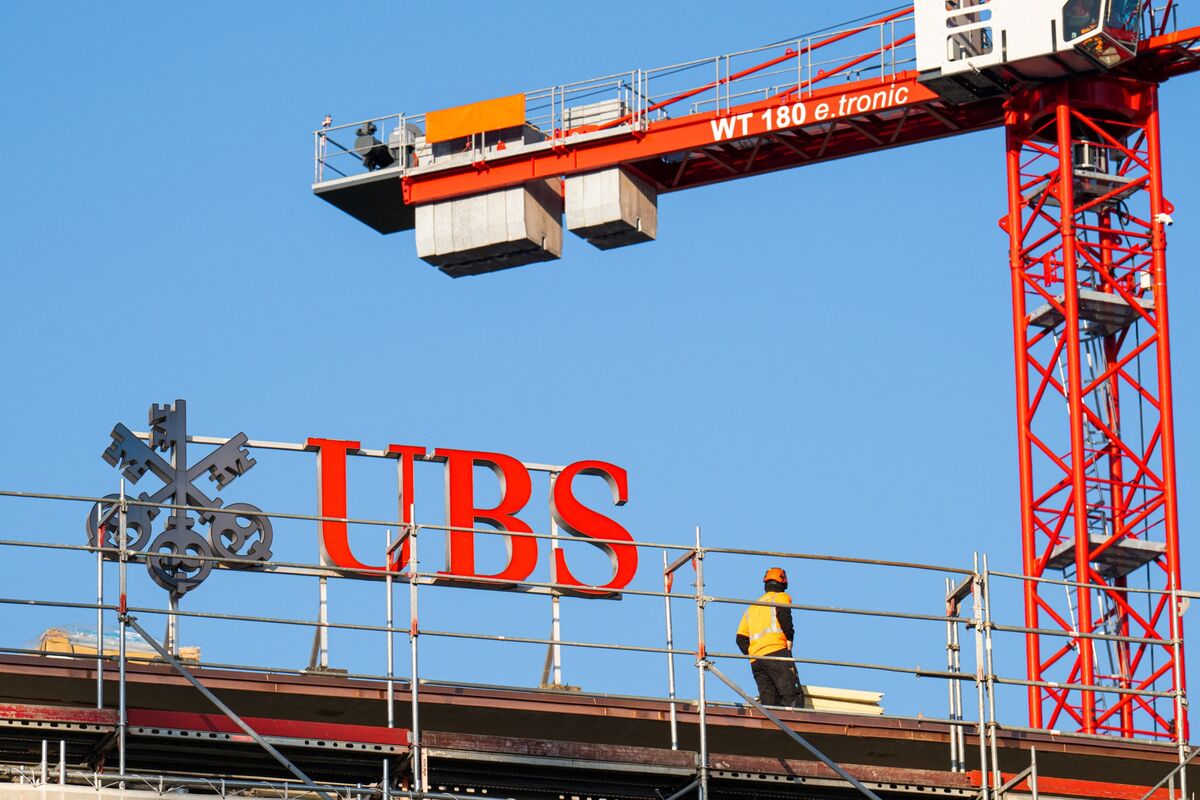
Switzerland is reportedly set to unveil softened bank capital rules later today, reducing the expected capital hit for UBS Group AG. The ordinance would allow UBS to continue counting deferred tax assets toward regulatory capital and phase out software deductions over three years. The move is modestly supportive for UBS and relevant to bank capital regulation, but the broader market impact should be limited.
This is a near-term de-risking event for UBS rather than a full rerating catalyst. The market has been leaning on a worst-case capital hit narrative; a softer ordinance should compress left-tail risk and mechanically support distributable capital assumptions, but it does not remove the core overhang of Swiss political intervention. The first-order winner is UBS equity and subordinated paper; the second-order loser is any competing European bank that hoped a tougher UBS regime would narrow the valuation gap or force management distraction.
The bigger implication is valuation multiple stability, not immediate earnings uplift. If UBS can retain more balance-sheet flexibility, the bank can sustain a higher buyback trajectory and avoid a forced balance-sheet shrink that would have weighed on revenues in wealth management and financing. That said, the ordinance still leaves open a medium-term policy risk: once the political cycle shifts, the capital debate can re-open, so the market may only pay for a temporary reprieve unless management can anchor a durable capital return framework.
The contrarian view is that the rally could be underwhelming if investors were already positioned for a compromise. In that case, the better trade is not chasing spot equity but expressing relief via downside protection monetization in the credit stack: narrower capital concerns should tighten UBS CDS and preferreds more cleanly than the common. The key reversal trigger is any follow-up language that introduces new deductions, stricter phase-ins, or supervisory discretion; that would quickly push the story back from 'softened' to 'conditional.'
AI-powered research, real-time alerts, and portfolio analytics for institutional investors.
Request TrialOverall Sentiment
mildly positive
Sentiment Score
0.15
Ticker Sentiment
