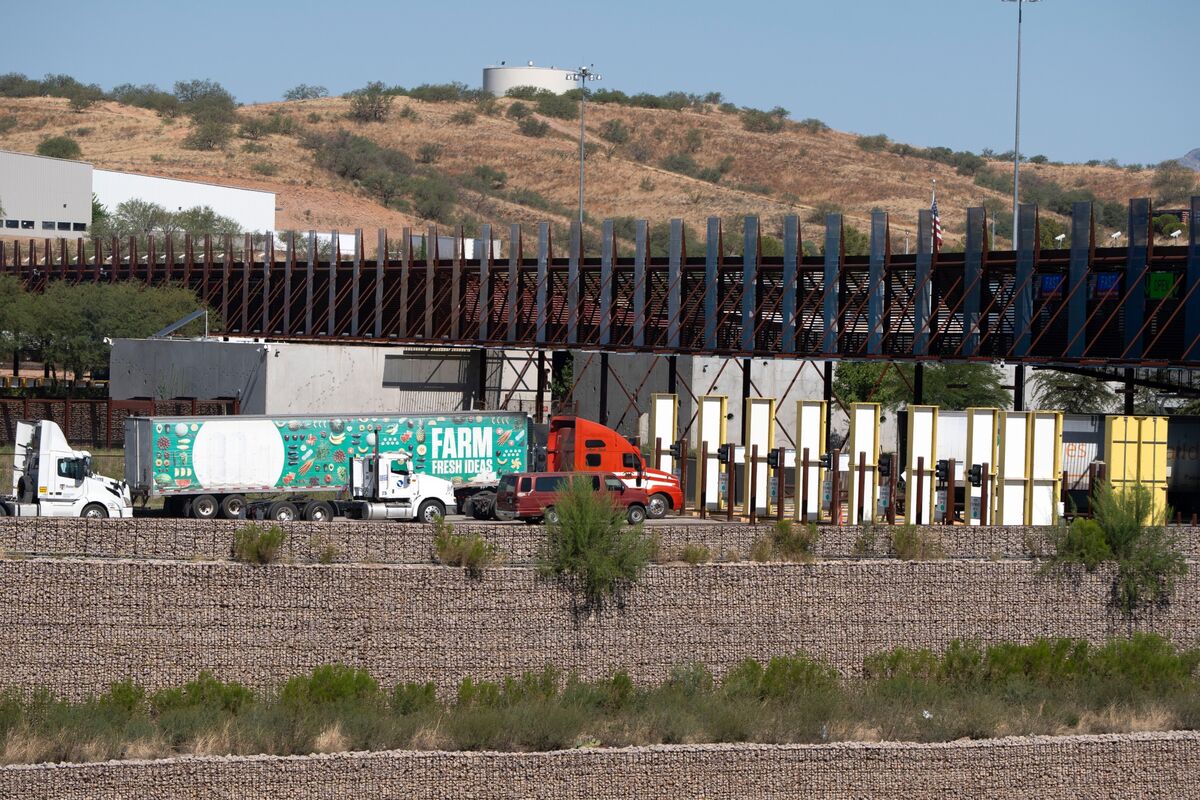
President Trump extended Mexico's current tariff rates for 90 days, allowing more time for trade negotiations and de-escalating immediate trade tensions with a major trading partner following previous threats of increased levies.
The U.S. administration has provided a 90-day reprieve on threatened tariff increases for Mexico, a move that temporarily de-escalates trade tensions with a major trading partner. This development is viewed as "mildly positive" with a sentiment score of 0.35, reflecting short-term market relief from an immediate economic disruption. However, the analysis notes a recurring pattern of threatening significant levies before relenting to allow for negotiations, which injects a considerable degree of policy uncertainty into the trade relationship. While the immediate threat is deferred, the underlying risk of future tariffs remains, creating a precarious environment for sectors with highly integrated U.S.-Mexico supply chains. The 90-day window for negotiations now becomes a critical period, with any outcome susceptible to both trade policy objectives and domestic political considerations.
AI-powered research, real-time alerts, and portfolio analytics for institutional investors.
Request DemoOverall Sentiment
mildly positive
Sentiment Score
0.35
