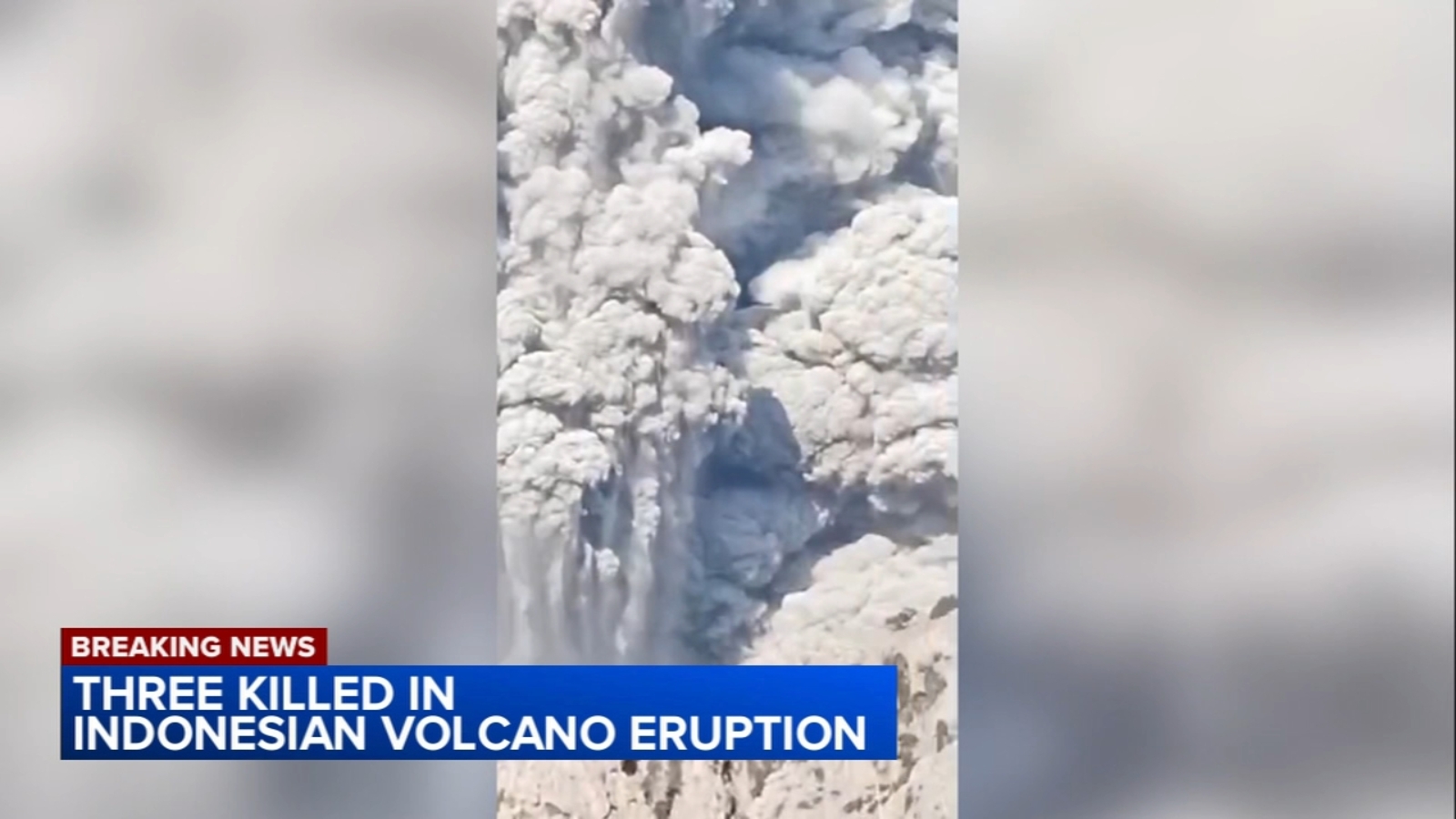
An eruption of Mount Dukono on Indonesia's Halmahera Island killed 3 hikers and injured 5 of the 14 climbers evacuated, with rescuers still searching for others. Authorities said about 20 climbers ignored a restricted-zone ban around the volcano, which is at the second-highest alert level and has seen nearly 200 eruptions since March 30. The event is primarily a safety and travel risk incident, with limited direct market impact beyond local tourism and transport disruptions.
This is a localized shock with outsized signaling value for Indonesia tourism and risk controls, but it is not a broad macro event unless ash output persists long enough to hit regional mobility and logistics. The immediate loser set is low-quality adventure-tourism operators, local transport, and accommodation near the hazard corridor; the harder second-order impact is on downstream behavior: insurers and travel platforms may tighten exclusion language or enforcement around “restricted-zone” activities, raising the cost of selling remote excursion packages across the archipelago.
The bigger tradable angle is not the volcano itself but the policy reaction function. When authorities are forced into a rescue-and-restriction cycle after visible fatalities, enforcement usually becomes more visible for several weeks, which can suppress discretionary travel to frontier destinations even after the eruption subsides. That can hit domestic aviation and ferry volumes at the margin, while also increasing reputational scrutiny on any operator that monetizes high-risk content-driven tourism.
A contrarian read: the market may underprice how quickly this becomes a non-event outside the immediate area. Unless ashfall materially disrupts Tobelo transport or the plume persists for days, the broader Indonesian travel complex likely recovers fast because investors tend to fade single-site natural disasters in a large, diversified destination market. The better risk is to wait for confirmation of secondary effects—air quality advisories, airport disruptions, or mudflow risk during rain—before leaning into shorts; otherwise, the trade is mostly a short-duration event-risk hedge rather than a structural thesis.
AI-powered research, real-time alerts, and portfolio analytics for institutional investors.
Overall Sentiment
strongly negative
Sentiment Score
-0.78
