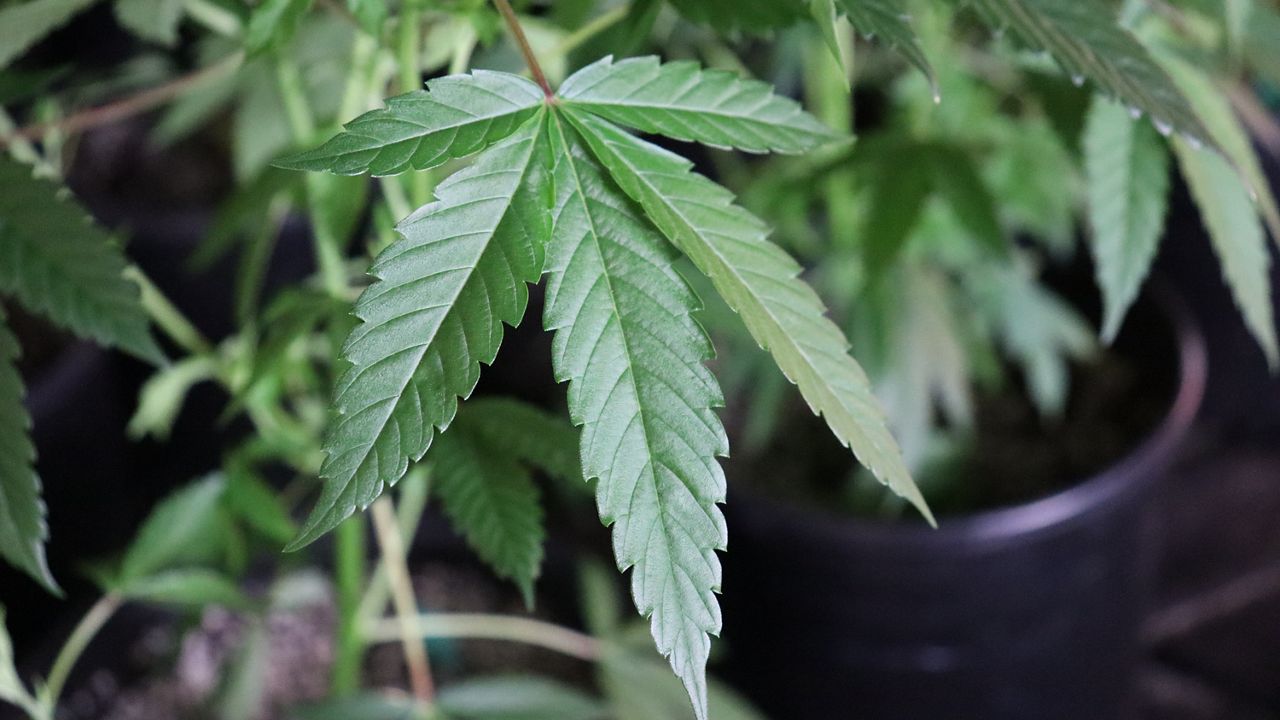
Key event: Texas will include THCA in the total THC limit of 0.3% dry weight effective March 31 (with retail sales of THCA flower banned starting in April). The DSHS rule package also raises combined licensing fees from a few hundred dollars to $15,000 (retail $5,000; manufacturer $10,000) and expands testing, packaging and inspection requirements. Impact: in-state hemp flower sales and shipments to Texas stores will cease, forcing farmers/retailers to export product out-of-state or attempt a costly conversion to industrial hemp, creating meaningful revenue and supply-chain disruption for small operators.
Regulatory tightening will act as a fixed-cost shock and distribution shock simultaneously: higher licensing/testing burdens force small operators to either consolidate, vertically integrate out-of-state logistics, or exit. For a typical mom-and-pop cultivator, an incremental licensing cost jump of ~$14.7k (example increase) equals ~6% of revenue for a $250k business and ~15% for a $100k business — enough to flip marginal growers from break-even to loss and compress industry-wide supply over the next 3–12 months.
Stranded inventory and forced interstate flows create near-term geographic price dislocations: compliant flower inventories will bid into neighboring states and out-of-state processors, lifting local wholesale prices there while creating logistics arbitrage (truckload lots, expedited testing) and legal friction. Expect specialized testing and compliance vendors to see a measurable volume step-up within 1–2 quarters; conversely, retail foot-traffic and demand elasticity in-state will be tested as consumers either substitute to edibles or move to illicit channels.
Medium-term (6–24 months) the market structure favors better-capitalized MSOs and ancillary service firms that can absorb compliance costs and scale distribution — smaller independents face forced M&A or shutdown, accelerating consolidation. The tail risk is political/legal reversal: litigation or legislative pushback could restore market access over 6–18 months, which would create stranded long-dated inventory and a snap-back in supply; monitor early lawsuits and interstate transport permits as leading indicators.
AI-powered research, real-time alerts, and portfolio analytics for institutional investors.
Overall Sentiment
strongly negative
Sentiment Score
-0.65
