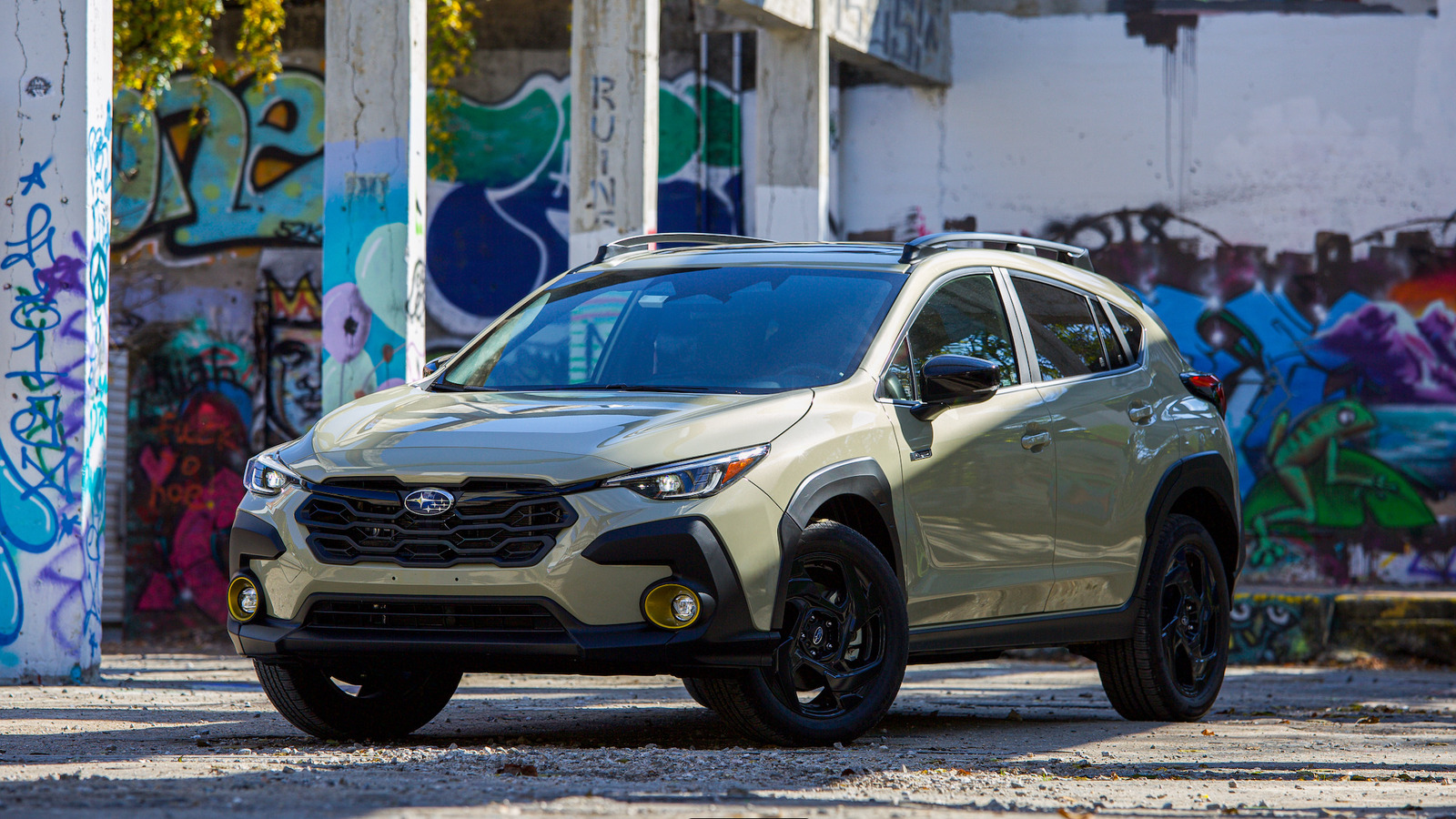
Subaru has reintroduced the 2026 Crosstrek Sport Hybrid, using a 2.5L boxer engine plus electric motor producing 194 hp and delivering roughly 36 mpg combined versus 29 mpg for the base gas Crosstrek. The Hybrid starts at $33,995 — about $7,000 more than the base gas model (or a $3,370 premium versus a like-for-like Sport trim) — yielding estimated fuel savings of ~$302/year (15,000 miles/year assumption) and an 11–20+ year simple payback depending on comparator. The Crosstrek Hybrid mirrors the Forester Hybrid in driving feel and represents a cautious but tangible expansion of Subaru's electrified lineup (including two EVs and another EV due next year), likely to modestly support demand among loyal buyers but unlikely to drive near-term material shifts in Subaru’s financials without broader lineup rollout.
Market structure: Subaru’s cautious hybrid roll‑out (Crosstrek/Forester) benefits incumbent OEMs with hybrid competence (Toyota TM, Honda HMC) and Tier‑1 hybrid component suppliers (Denso/Aisin exposure via 12–36 month parts demand), while pure‑EV loss‑making entrants (RIVN, to an extent TSLA’s volume mix) face slower share gains in crossover segments. Subaru’s ability to command a $3.3k–$7k hybrid premium (current SKUs) signals localized pricing power in the compact SUV niche but limited scale keeps overall segment margin pressure muted.
Risk assessment: Key tail risks include an accelerated regulatory EV mandate or generous EV subsidies (weeks–months) that could make Subaru’s incremental hybrid strategy obsolete, and battery/module supply shocks (months) that raise costs; conversely, a sustained oil spike (>30% from baseline over 3 months) materially boosts hybrid demand. Hidden dependency: Subaru’s margin upside depends on supplier pricing and whether hybrids become standard (Toyota‑style) — a shift that would compress per‑unit premium over 2–5 years.
Trade implications: Tactical allocations favor scaled hybrid winners and select suppliers: long TM/HMC (12–24 months) and select profitable suppliers (Panasonic PCRFY, LGES OTC) while reducing exposure to high‑burn pure EVs (RIVN) via puts or short. Use option structures (6–12 month call spreads on HMC/TM sized 1–3% portfolio) to capture upside without unlimited downside; consider 12–18 month put spreads on RIVN sized 1–2%.
Contrarian angles: Consensus underestimates longevity of hybrid demand among value/loyal buyers — Subaru owners may retain cars >10 years, making modest fuel savings a behavioral buy decision; the market may be underpricing Tier‑1 suppliers’ near term revenue from hybrid conversions. Unintended consequence: hybrids could slow EV credit markets, benefiting incumbents while compressing valuations of loss‑making EV pure plays over 12–36 months.
AI-powered research, real-time alerts, and portfolio analytics for institutional investors.
Request DemoOverall Sentiment
mildly positive
Sentiment Score
0.35
