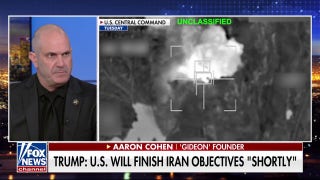
President Trump said he is strongly considering pulling the U.S. out of NATO over allies' refusal to support U.S. actions in the Iran conflict, signaling a possible major shift in Western security arrangements. The remarks follow European rejection of a U.S. request for warships to reopen the Strait of Hormuz, which carries roughly 20% of global oil supply, heightening risk to energy markets and global economic stability. Trump also attacked the U.K. and PM Keir Starmer, who responded that Britain remains fully committed to NATO.
The current noise increases risk premia across energy, shipping, and defense sectors even if the institutional outcome is a prolonged political process. In the near term (days–weeks) markets will price higher probability of chokepoint disruption and insurance/freight repricing, which mechanically boosts tanker/day rates and raises backwardation in crude futures; a one-off 5–12% implied move in Brent is plausible if escalation perceptions persist. Over 3–12 months, a sustained change in security commitments would drive durable reallocations: accelerated European defense procurement and supply‑chain reshoring (favoring EU/Mid‑cap defense suppliers) and higher structural capex for US prime contractors, while sustained risk premia depress EUR/GBP and widen peripheral sovereign spreads. The multi-year outcome, if realigned, is a higher baseline for defense trade flows and insurance costs (P&I, war‑risk premiums), which increases operating costs for global shipping, commodity traders, and energy-intensive industrials by a steady-state few hundred basis points on logistic expense assumptions.
AI-powered research, real-time alerts, and portfolio analytics for institutional investors.
Overall Sentiment
strongly negative
Sentiment Score
-0.60
