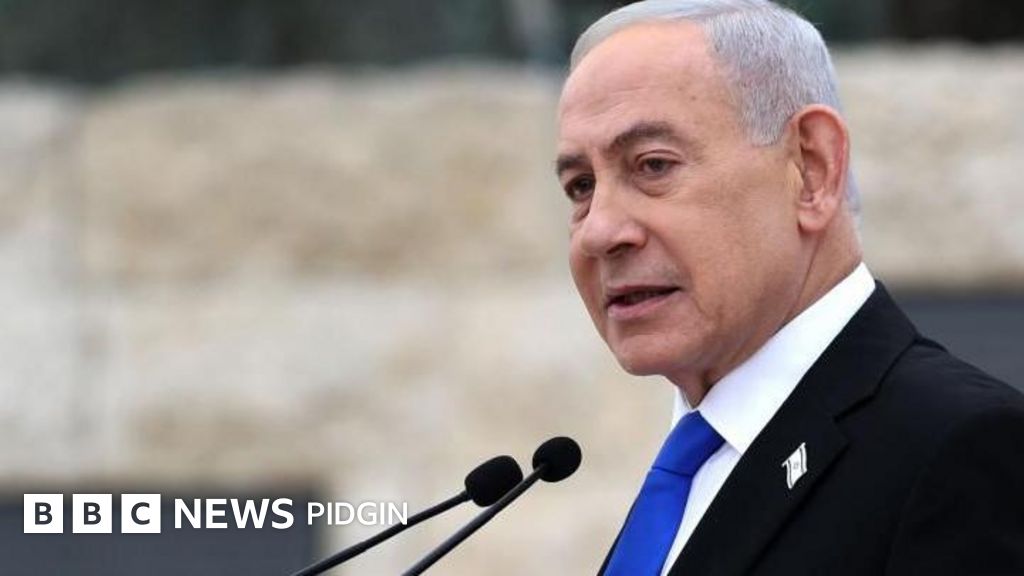
Benjamin Netanyahu disclosed that doctors found an early-stage malignant prostate tumor during routine follow-up after surgery for an enlarged benign prostate, and that treatment removed the problem with no remaining trace. He said he asked to delay publication of his medical report because of the Iran war, underscoring the intersection of his health, domestic politics, and regional conflict. The article also notes upcoming White House talks and an extended Israel-Lebanon ceasefire, but the main market relevance is limited.
This is not a direct market event, but it marginally reduces leadership-risk tail probability for Israel at a moment when policy continuity matters more than headline optics. The second-order effect is that any short-lived speculation about succession or impaired decision-making should fade, which is supportive for assets that price in reduced political continuity risk: the shekel, domestic cyclicals, and Israeli credit spreads. The bigger implication is diplomatic rather than medical — if the White House meeting proceeds as planned, markets may assign a slightly higher probability to a negotiated de-escalation path, which would be bearish for hard-asset war hedges but positive for regional risk premia.
The contrarian read is that the market may over-interpret the health disclosure as a governance issue when the actual tradeable variable is wartime decision latency. If the disclosure is taken as evidence that he is still fully operational, it can actually strengthen the incumbent’s bargaining position and reduce the odds of abrupt policy change. That said, any deterioration or additional procedures over the next 1-3 months would immediately reintroduce succession and cabinet-stability risk; that tail is small, but the time horizon is short enough that options are preferable to outright directional equity bets.
Healthcare is also a subtle winner: prostate-cancer diagnostics and minimally invasive treatment remain an area where early detection and procedural tech can show durable demand, though this article alone is not enough to justify a broad sector move. The better trade is on volatility and political-event timing rather than disease exposure. In practice, the event is more relevant for local macro and defense-risk pricing than for global equity beta.
AI-powered research, real-time alerts, and portfolio analytics for institutional investors.
Request TrialOverall Sentiment
neutral
Sentiment Score
-0.05
