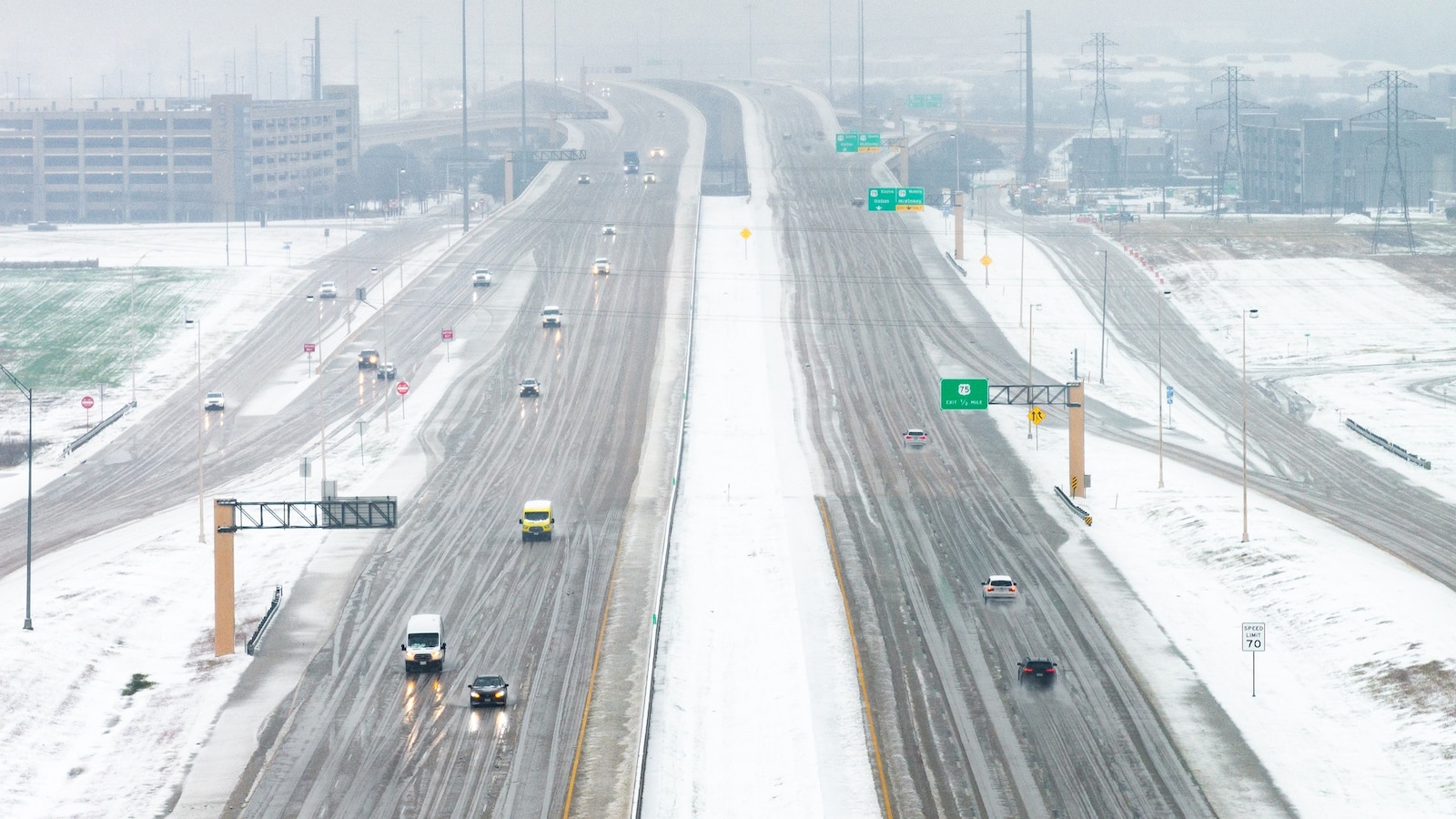
A large winter storm is forecast to impact at least 30 states and more than a third of the U.S. population, with southern states (including Texas, Mississippi, Alabama, Georgia, the Carolinas and southern Virginia) facing a significant ice and sleet threat and the Northeast potentially receiving 6–12 inches of snow. Ice accumulations of 0.25 inches or more and gusts of 20–30 mph could cause widespread power outages, tree and power‑line damage and severe travel disruptions, posing short‑term downside risk to regional economic activity, utilities and transportation networks; forecasts remain subject to change as the event approaches.
Market structure: Ice across >30 states concentrates near-term winners in emergency goods, backup-power and grid-repair supply chains (Generac GNRC, Quanta Services PWR, Eaton ETN, Home Depot HD, Lowe's LOW) and losers in time-sensitive transport (airlines LUV/AAL, rail UNP) and temperature-sensitive retail. Pricing power shifts favor OEMs of portable generators, battery storage and line-repair contractors for 2–12 weeks as urgent demand outstrips inventories; utilities face immediate outage costs but regulated cost recovery limits medium-term upside. Commodities: prompt natural gas demand for heating likely spikes 5–20% regionally over 1–2 weeks, pressuring short-dated NG contracts and utility spot purchases.
Risk assessment: Tail risks include multi-day cascading grid failures, insured losses >$5–10bn prompting regulatory probes, or fuel supply chokepoints if LNG flows/transport are disrupted — low probability (<10%) but high impact within 0–30 days. Immediate (days): travel/logistics disruption and higher electricity/gas demand; short-term (weeks–months): repair capex and margin pressure on smaller utilities; long-term (quarters–years): accelerated grid-hardening spending and potential insurance repricing. Hidden dependencies: availability of line crews, transformer inventories and interstate mutual aid; catalyst triggers are NOAA damage updates, FEMA disaster declarations, and EIA weekly gas data.
Trade implications: Direct plays: establish tactical 2–3% long GNRC and 2% long PWR for outsized 0–8 week revenue tailwinds; buy 30–45 day GNRC/HD call spreads (5–12% OTM) to cap premium. Commodities: buy short-dated (2–6 week) NYMEX NG call spreads or 1–2% exposure to UNG equivalent expecting 10–25% upside; short 1–2% positions in regional carriers (LUV/AAL) into Monday reopenings. Rotate 1–3% from discretionary logistics/air exposure into utilities/infra-equipment names; exit after 3–6 weeks or once outage metrics revert to baseline.
Contrarian angles: Consensus will bid portable generators and big-box retailers immediately; the market may underprice Quanta/PWR and ETN where repair contracting margins expand and follow-on municipal/utility capex persists for quarters — consider adding if post-storm contract announcements appear. Conversely, shorting national airlines may be overdone if multi-day delays are already priced; avoid large shorts unless confirmed multi-week operational disruption. Historical parallel: 1993 storm led to multi-quarter infrastructure spending; if insured losses breach ~$5bn expect accelerated grid-hardening legislation and multi-quarter winners among transmission equipment makers.
AI-powered research, real-time alerts, and portfolio analytics for institutional investors.
Request DemoOverall Sentiment
mildly negative
Sentiment Score
-0.25
