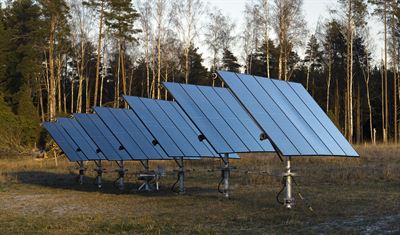
On Jan. 13, 2026 Vaja AB launched VajaTrack, a patented vertical solar-tracking system targeted at solar farms beyond 30° latitude that the company says reduces wind load by more than 80% via passive feathering, uses a minimal-torque design and a centralized drive to lower build and maintenance costs. Vaja is opening pilot projects (10 project slots for 2026) and small-scale turnkey sales in Sweden; backed by Node Ventures and Swedish Energy Agency grants, the product aims to increase energy yield—especially mornings, late afternoons and winter—and make vertical tracking a cost-efficient alternative to fixed mounts and horizontal trackers in higher-latitude markets.
Market structure: VajaTrack is an asymmetric innovation for projects beyond 30° latitude (Europe, most of North America, large parts of Asia) that could re-price tracker economics where horizontal trackers underperform. Short-term winners are high-latitude project developers and module makers that can monetize higher effective yield in morning/afternoon/winter windows; obvious losers are incumbent horizontal-tracker specialists (e.g., Array Technologies, ARRY) if Vaja or copycats achieve bankability. Expect pricing pressure on tracker hardware margins and a modest shift in BoP (balance-of-plant) spend — steel/groundworks demand per MW could decline by mid-single digits to low-teens percent per site if claims hold.
Risk assessment: Primary tail risks are (1) failure to achieve bankability/insurance acceptance, (2) patent litigation or rapid Chinese replication, and (3) field durability under extreme wind/ice leading to warranty claims. Timing: negligible market impact in days; 6–18 months for pilot proof points and certification; 2–5 years for material market share gains. Hidden dependencies include centralized-drive supply chain concentration and EPCs’ willingness to redesign layouts; catalysts are independent third-party test reports, PPA re-pricing, and large developer pilot wins.
Trade implications: Tactical trades favor makers of modules and developers that can exploit higher yield (long FSLR, First Solar, 2–3% position, 12–24 month horizon) and defensive longs in large operators (NEE, NextEra, 1–2% position, 24–48 months). Short selective exposure to tracker pure-plays (short ARRY 0.5–1% or buy 12-month puts 15% OTM) to express downside if bankability proves difficult. Use pair trade: long FSLR / short ARRY to capture relative re-rating; consider buying 18-month calls on FSLR (10–20% OTM) funded by ARRY puts.
Contrarian angles: The market will likely underprice the time and certification friction — adoption is not binary and incumbents can defend share via financing relationships and scale; this suggests the knee-jerk short on ARRY is risky until independent validation appears. Historical parallel: tracker tech displacements (single-axis vs fixed) took multiple years and consolidation; unintended consequences include downward pressure on steel suppliers (NUE) and consolidated EPC margin compression. Key monitor: independent bankability report and 5+ commercial pilots within 12 months as go/no-go thresholds.
AI-powered research, real-time alerts, and portfolio analytics for institutional investors.
Request DemoOverall Sentiment
moderately positive
Sentiment Score
0.50
