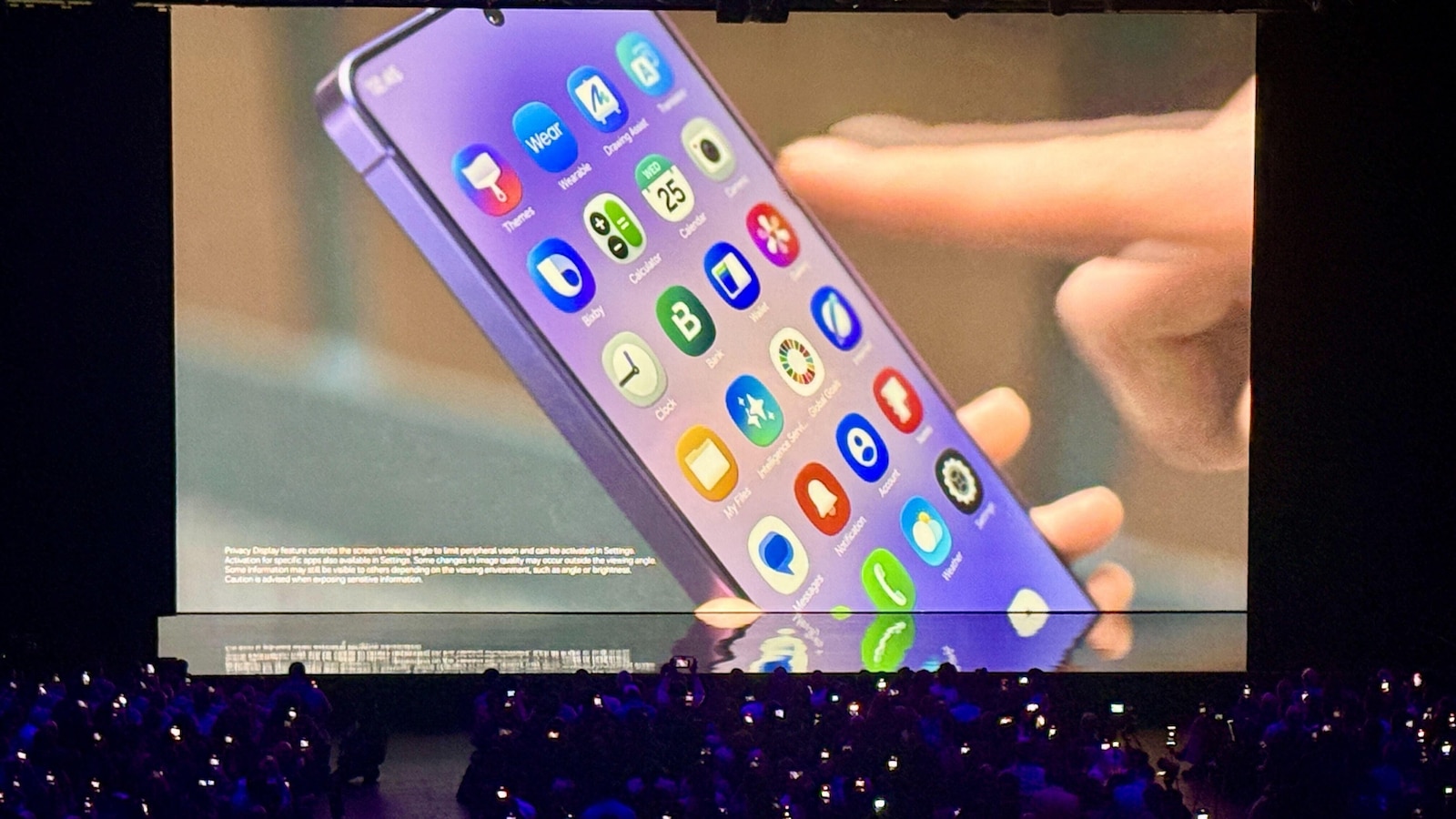
Samsung will discontinue its Samsung Messages app in July and is instructing users to switch to Google Messages. The company says switching enables access to Google's Gemini AI features (e.g., Remix image generation, AI-powered reply suggestions) and RCS high-quality photo sharing; devices on Android 11 or older are not affected. Galaxy 26 and other newer phones cannot download Samsung Messages today, and Samsung warns all devices will lose app download/access after the July discontinuation; this is largely an operational/user-experience change with limited near-term financial impact.
Defaulting a large OEM to Google’s messaging client is a distribution event for Google’s consumer UI layer that accelerates telemetry and feature liftoff with minimal incremental marketing spend. Expect meaningful uplift to conversational AI engagement metrics (session length, reply rate, media shares) within 3–12 months as Gemini features and RCS rollouts propagate, which creates a clearer path to downstream monetization (search + assistant-triggered commerce) rather than a pure ad click lift. Because this is a background UX change, attribution will be gradual — look for inflection signals in ARPU-per-user and engagement KPIs rather than quarterly revenue line items.
A key second-order effect is on cross-platform messaging economics: higher-quality Android↔iOS media exchange (via RCS) reduces a subtle service gap that’s been part of Apple’s messaging stickiness, introducing a slow bleed in lock-in that plays out over years, not weeks. Samsung’s choice also shrinks its services differentiation, pressuring it to reallocate product/marketing spend toward other monetizable hooks (wearables, subscriptions or hardware bundles) and raising the odds of revenue-sharing negotiations with Google. Carriers and regulators are gatekeepers — their pace on RCS rollout and privacy/antitrust scrutiny will determine how much of the theoretical monetization actually converts.
Primary tail risks are regulatory intervention (EU/US) forcing alternative defaults or data restrictions, and a slower-than-expected carrier RCS adoption that caps cross-platform benefits; either can reverse the narrative in 3–18 months. Monitoring cadence: short-term (weeks) — OEM app usage metrics and in-app prompts; medium-term (3–12 months) — Gemini feature uptake and RCS photo-share penetration; long-term (12–36 months) — measurable lift in Google services ARPU and any regulatory enforcement actions.
AI-powered research, real-time alerts, and portfolio analytics for institutional investors.
Request DemoOverall Sentiment
neutral
Sentiment Score
0.00
Ticker Sentiment
