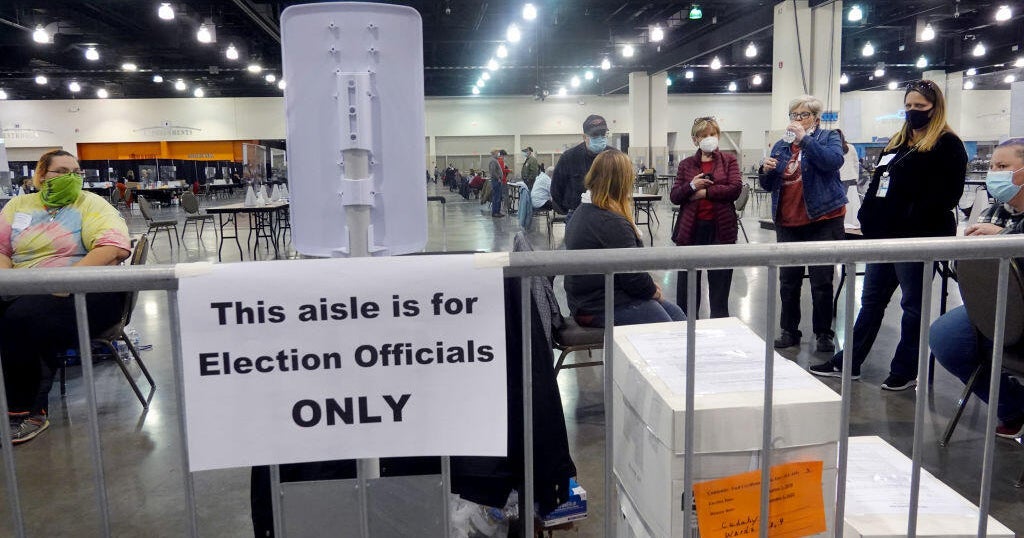
The FBI attempted to interview Milwaukee County’s elections director, intensifying scrutiny of election administration in a key Wisconsin county that cast 459,723 votes in 2020 and went heavily for Joe Biden. County officials said they would cooperate with legitimate law enforcement but defended the 2020 election as fair and transparent, citing multiple audits and court reviews. The development is politically significant but has limited direct market impact.
This is less a market event than a governance stress signal: once federal investigators start showing up at local election offices, the regime risk premium for municipal administrators, vendors, and adjacent legal actors rises even if the underlying merits never move. The near-term winner is the ecosystem that monetizes process friction — election lawyers, compliance consultants, records-management vendors, and cyber/chain-of-custody contractors — because scrutiny typically translates into more audits, more documentation, and slower certification cycles. The second-order effect is political, not operational. The more these probes are framed as intimidation rather than oversight, the more they harden the incentive for county officials and swing-state administrators to over-document and over-escalate future disputes, increasing administrative latency around any close result over the next 12–24 months. That latency matters because a few days of uncertainty can be enough to widen local litigation, amplify headline risk for state politicians, and keep the issue alive into the next election calendar. The contrarian point is that this may be over-rotated as a catalyst for broad market de-risking: unless there is a material indictment or a tangible change in election administration rules, the event stays in the realm of headline volatility rather than cash-flow impact. The real tradeable edge is in volatility and event-driven names tied to governance, disclosure, and legal spend; not in making a directional macro bet on democracy narratives. If the federal review broadens to additional counties or produces subpoenas, the probability-weighted tail shifts from reputational noise to sustained operational drag on state and local election infrastructure budgets.
AI-powered research, real-time alerts, and portfolio analytics for institutional investors.
Request DemoOverall Sentiment
neutral
Sentiment Score
-0.10
