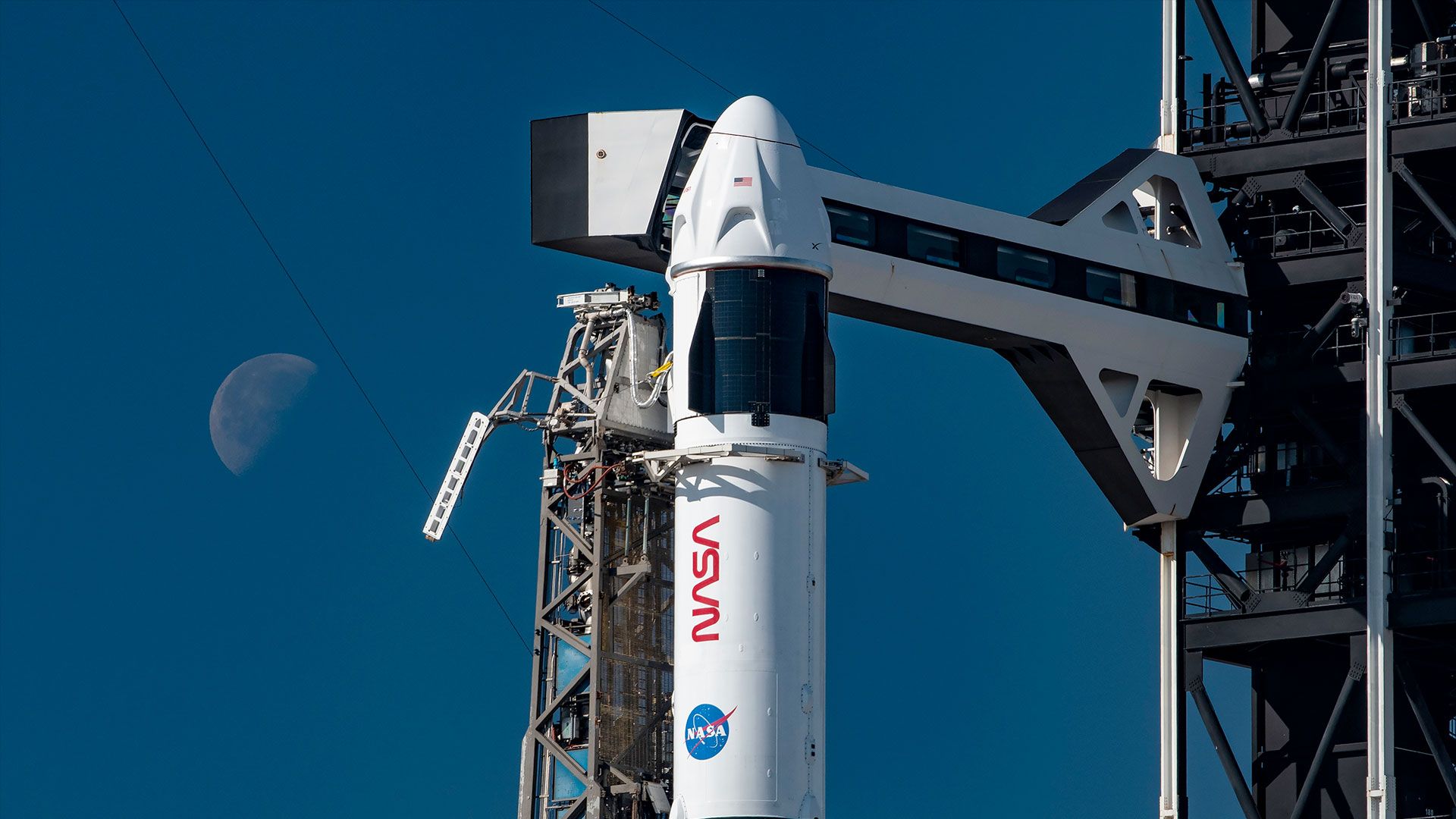
NASA and SpaceX moved the Crew-12 launch to Feb. 12 at 5:38 a.m. EDT due to unfavorable weather forecasts and an ongoing communications issue between the Crew Dragon "Freedom" capsule and launch support teams; the flight would return the ISS to its full seven-person crew after operating with three since mid-January. Concurrent operations at Cape Canaveral — including ULA's Vulcan launch the same day, ongoing SLS Artemis 2 wet dress rehearsal troubleshooting, and removal/maintenance of the crew access arm at Pad 39A — create potential scheduling conflicts and operational bottlenecks that could influence near-term launch cadence for SpaceX and other launch providers.
Market structure: Short, weather-driven slips and pad maintenance create transient but real frictions in launch cadence; Crew‑12 restoring ISS crew from 3 to 7 (+133%) the moment it arrives increases near‑term demand for crew support and resupply services, favoring incumbents with NASA contracts (Northrop Grumman NOC, Lockheed LMT) over smaller commercial launchers. ULA/Artemis work and SpaceX pad changes concentrate launch windows at a few pads, raising marginal launch costs and scheduling externalities that advantage vertically integrated players with multi‑pad capacity.
Risk assessment: Tail risks include a Crew Dragon or Vulcan failure (low probability, high impact) that could trigger 3–6 month regulatory slowdowns and a temporary reallocation of NASA budgets; watch for a negative event within the next 90 days which could knock 5–15% off implicated small cap launchers. Hidden dependencies: pad access, range availability and inter‑program sequencing (Artemis WDR vs Vulcan vs Crew) drive operational risk more than hardware readiness; catalysts are WDR outcomes (expected early March) and the Vulcan flight outcome (this week).
Trade implications: Favor defensive aerospace exposure via NOC and LMT for 3–12 month carries; avoid or hedge high‑beta public launch names (RKLB) that will see asymmetric downside if a high‑profile failure triggers contract reassignments. Use short‑dated event options around the Vulcan/Artemis windows to monetize elevated implied vol for names with direct program exposure; keep position sizes small (0.5–2% of portfolio) because outcomes are binary.
Contrarian angle: The market will underprice the value of stable NASA prime contractors if a high‑visibility SpaceX or ULA hiccup occurs — primes will pick up work and pricing leverage for 6–18 months. Conversely, consensus may be over‑optimistic on small launchers’ near‑term growth; a single regulatory pause could compress revenue forecasts by >20% for loss‑making launchers over two quarters.
AI-powered research, real-time alerts, and portfolio analytics for institutional investors.
Request DemoOverall Sentiment
neutral
Sentiment Score
0.05
