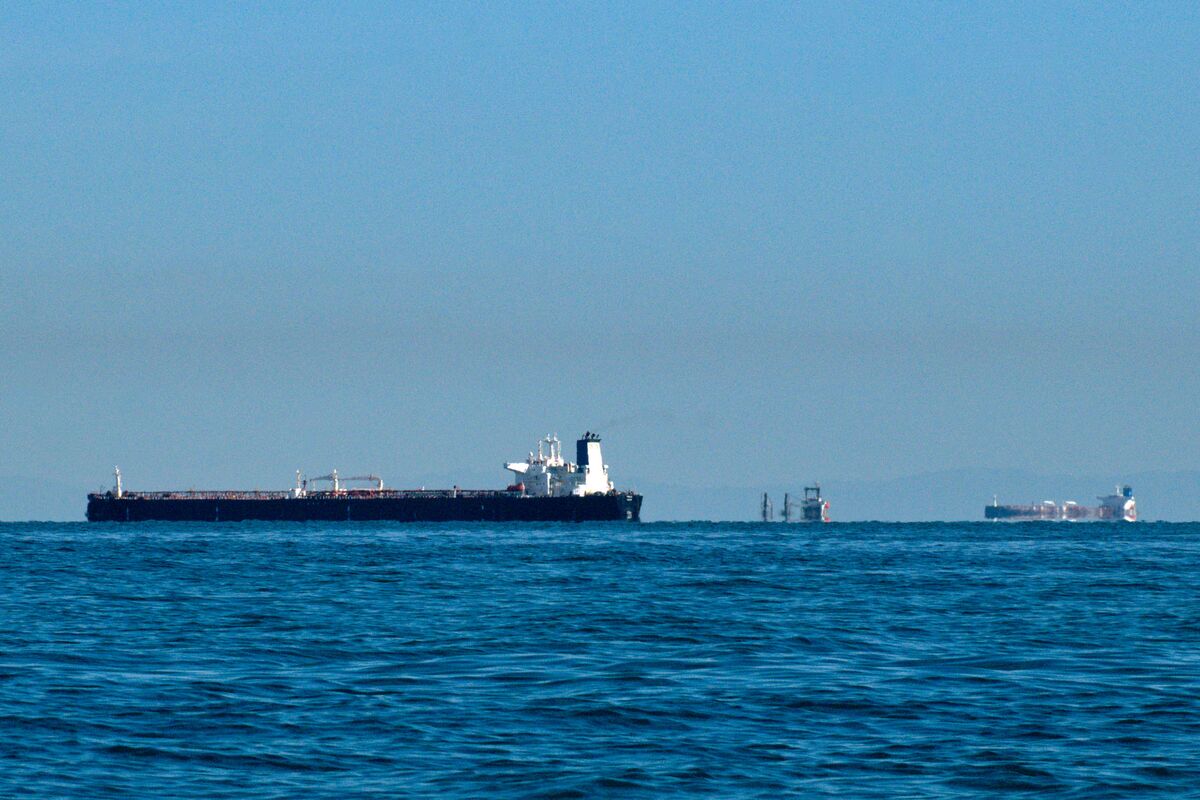
Despite recent missile exchanges between Israel and Iran, oil tanker traffic through the Strait of Hormuz remains stable, with a seven-day rolling average of approximately 42-45 tankers above 10,000 deadweight tons, according to Bloomberg vessel-tracking data. This suggests that the geopolitical tensions have not yet disrupted the flow of energy supplies from the Persian Gulf.
Oil tanker transits through the strategically vital Strait of Hormuz have demonstrated resilience, maintaining a steady seven-day rolling average of approximately 42 to 45 vessels above 10,000 deadweight tons, despite the recent exchange of missile barrages between Israel and Iran, according to Bloomberg vessel-tracking data. This observed stability in the flow of energy supplies from the Persian Gulf indicates that, to date, the heightened geopolitical tensions have not translated into a material disruption of this critical maritime chokepoint. The associated "moderately positive" sentiment and "stable" tone reflect the market's observation that a significant supply shock, often feared in such conflicts, has not yet occurred, although the prevailing "Geopolitics & War" theme underscores the persistent underlying risk to this crucial artery for global energy.
AI-powered research, real-time alerts, and portfolio analytics for institutional investors.
Request DemoOverall Sentiment
moderately positive
Sentiment Score
0.40
