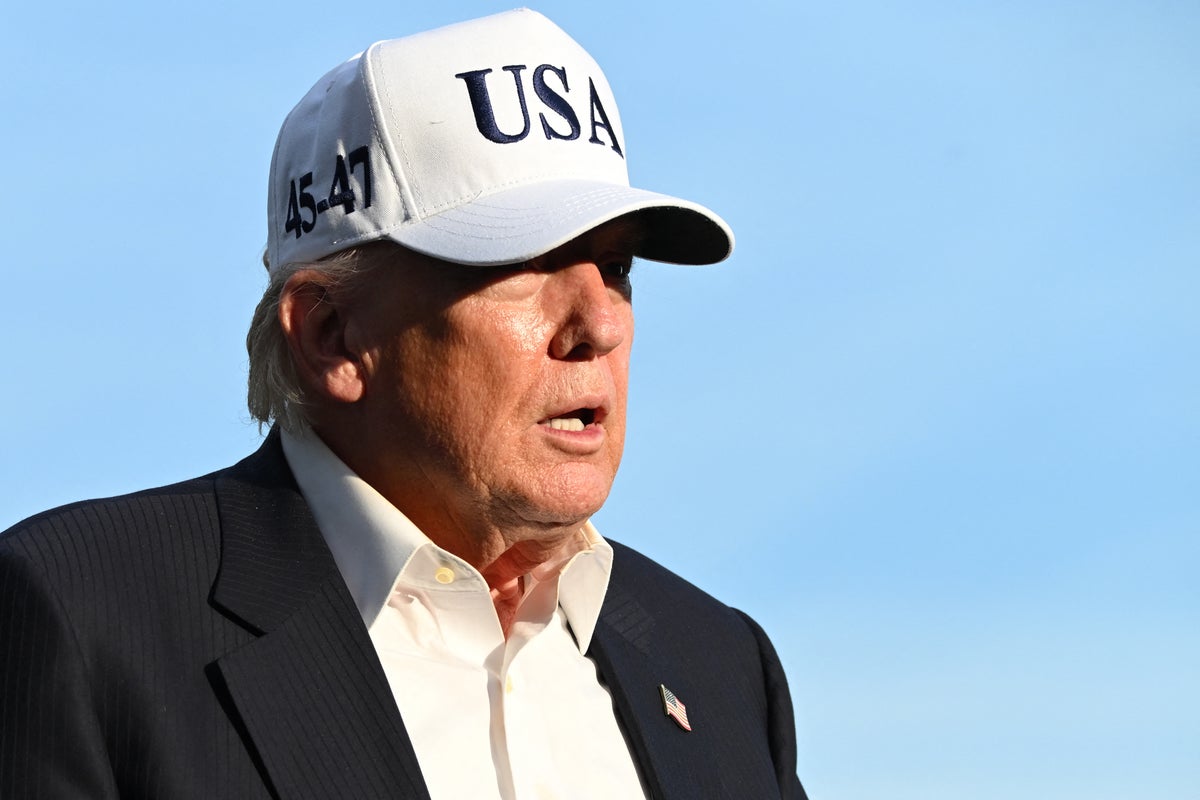
Trump canceled planned U.S. strikes on Iran after saying the military must stay ready for a "full, large scale assault" if negotiations fail. The move was made at the request of Gulf allies to preserve room for "serious negotiations," but the risk of renewed conflict remains elevated after the fragile ceasefire. Iran responded by backing diplomacy while warning of "full strength" retaliation if attacked, keeping geopolitical risk and oil-market volatility high.
The immediate market signal is not “peace,” it is a repricing of near-term tail risk. By pulling the trigger back while keeping the threat explicit, the administration preserves coercive leverage without paying the immediate energy/inflation cost of escalation; that usually compresses implied vol in front-end crude while keeping a fat left tail on shocks. The first-order beneficiaries are risk assets that were discounting a sprint to kinetic conflict, but the second-order winners are Gulf logistics, tanker routing, and non-Iranian regional exporters that gain from any prolonged, messy negotiation rather than a clean settlement.
The more interesting dynamic is that every added day of ambiguity strengthens the market’s “war premium” in a different place: shipping insurance, refined product cracks, and defense procurement expectations rather than spot Brent alone. If Iran believes the threat is credible, it may respond asymmetrically through proxies, cyber, or maritime nuisance, which can keep volatility high without requiring a headline-grabbing strike. That matters because the fastest economic damage from this kind of standoff often shows up in Asia importers and European industrial margins, not immediately in US equity indices.
The consensus likely underestimates how quickly this can fade if diplomacy is used as a tactical pause rather than a strategic pivot. A deal headline would likely mean a sharp but brief unwind in oil volatility and a relief rally in cyclicals, but if talks stall, markets can reprice the escalation path in hours, not weeks. The core risk is a misread of signaling: if both sides believe the other is bluffing, the probability of a limited strike or proxy incident rises materially over the next 1-3 weeks.
AI-powered research, real-time alerts, and portfolio analytics for institutional investors.
Request DemoOverall Sentiment
mildly negative
Sentiment Score
-0.25
